



11:16 CET
Nuclear security
Georgia arrests man over attempted $700,000 uranium sale
Georgia has detained a man ...
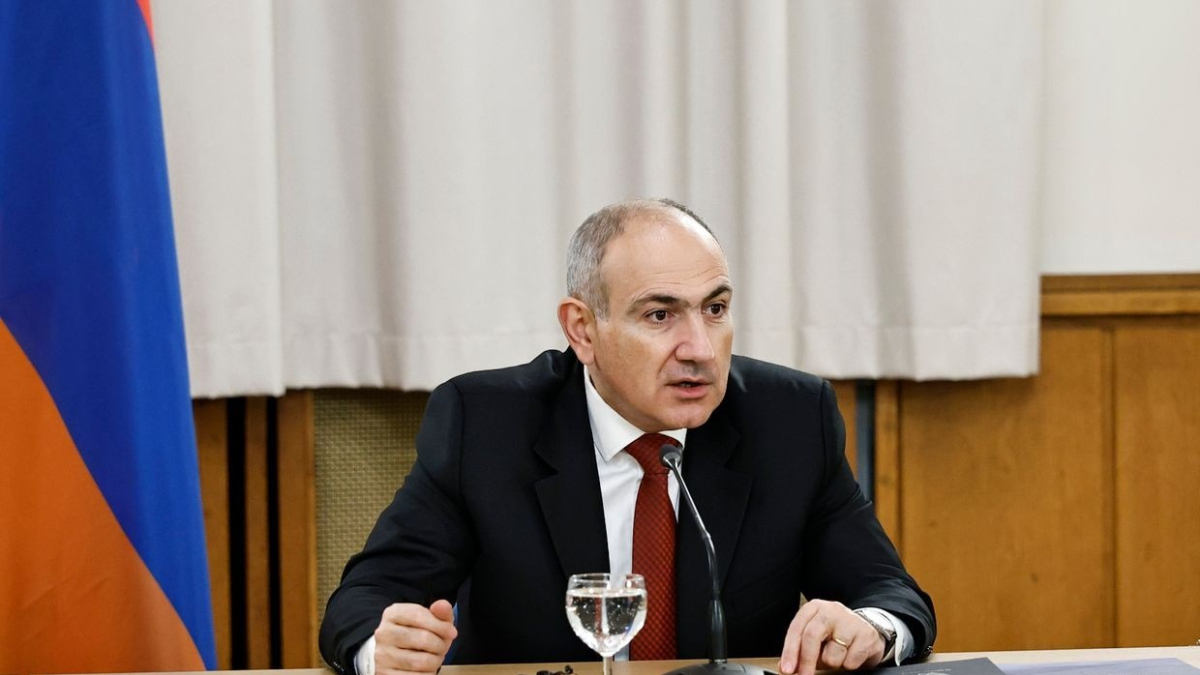


On Armenia’s 34th Army Day, PM Nikol Pashinyan declared that peace with Azerbaijan is established, yet emphasised the necessity of robust defensive capabilities and ongoing military reforms.
The anniversary of the Armed Forces typically celeberated on 28 January, Prime Minister Nikol Pashinyan delivered a dual message of diplomatic reconciliation and strategic deterrence, emphasising that while the era of active conflict with Baku has ended, Yerevan’s defence capabilities must remain robust and modern.
Writing on social media to mark the national holiday, Prime Minister Pashinyan highlighted the transformation of the Armenian military following the turbulent years of the early 2020s.
His statement comes at a pivotal moment for the South Caucasus, as Armenia attempts to balance its security needs with a newly established diplomatic reality.
"Our army has gone through a difficult period of formation, faced difficulties and challenges, but today we can confidently say that we have an army whose defence capability is growing every day," Pashinyan stated.
The context behind these remarks is crucial for international observers. Following the outcomes of the 2020 war and the events of 2023, Yerevan has radically altered its military doctrine.
The Prime Minister’s reference to acquiring "modern weapons and military equipment of a quality and specifications our army has never had before" alludes to Armenia’s significant pivot away from its traditional reliance on Russian hardware.
Over the past two years, Armenia has actively diversified its procurement, signing major defence contracts with partners such as France and India to acquire artillery systems, air defence radars, and modernised infantry equipment.
Pashinyan also confirmed that large-scale fortification work is underway along the borders. However, he was keen to frame this not as aggression, but as a sovereign right to self-protection.
By explicitly noting that the army "has no other task than to defend its internationally recognised territory," the Prime Minister is reinforcing a political stance that accepts the 1991 Alma-Ata Declaration borders.
This distinction is vital for internal and external audiences alike; it signals that the modernised Armenian army is designed strictly for territorial integrity within internationally accepted borders, rather than for irredentist ambitions or power projection abroad.
The 'No War' pledge and the architecture of peace
Perhaps the most striking element of the Prime Minister’s address was his categorical rejection of future conflict. "Armenia is not preparing for war because there will be no war," Pashinyan asserted, adding a definitive tone to the current state of relations with Azerbaijan.
His declaration that "Peace has been established" suggests that the lengthy and often fraught negotiations regarding border delimitation and bilateral treaties have reached a point of stability that was unimaginable only a few years ago.
This rhetoric marks a significant departure from the narratives of existential threat that dominated the region for decades.
By stating that "there is no more reliable guarantee of security than peace," Pashinyan is positioning diplomatic integration, specifically his administration's "Crossroads of Peace" initiative, as the primary shield for the nation, placing military strength in a supporting, rather than leading, role.
This approach aligns with broader Western and European efforts to foster connectivity in the South Caucasus, linking energy and logistics routes between Asia and Europe.
Echoing the Prime Minister’s vision of a modernised state, Armenian Parliament Speaker Alen Simonyan, in a message marking the anniversary of the establishment of Armenia’s Armed Forces, stated that the national perception of the military has undergone a fundamental shift.
According to Armenian media, Simonyan emphasised that the army is no longer viewed solely through the lens of active warfare.
“Gone are the days when the army was viewed exclusively through the prism of war," Simonyan remarked. "Today, while highly valuing the important mission of the armed forces, we see them as a key pillar for preserving peace, strengthening statehood, and developing society."
Simonyan’s comments highlight a broader domestic strategy to transform the military into a professional institution that safeguards democratic values. He concluded by noting that by developing the army as a modernised institution, Armenia can "move forward and build a safe, fair, and democratic" future, reinforcing the government's narrative that military strength and democratic stability are now inextricably linked.

Georgia has detained a man ...
Azerbaijan and the five Central Asian states have signed two key documents at the 8th Consultative Meeting of Heads of State in Turkmenbashi, forma...
U.S. Vice President JD Vance told Reuters on Monday (5 October) that ...

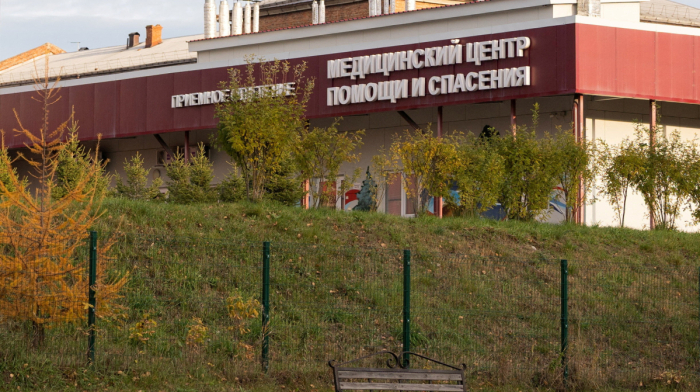
Russia's health watchdog said on Tuesday that no cases of plague had been detected among anyone who had come into contact with a Siberian plague institute laboratory worker who died last week, and locals said their lives had barely been disrupted.
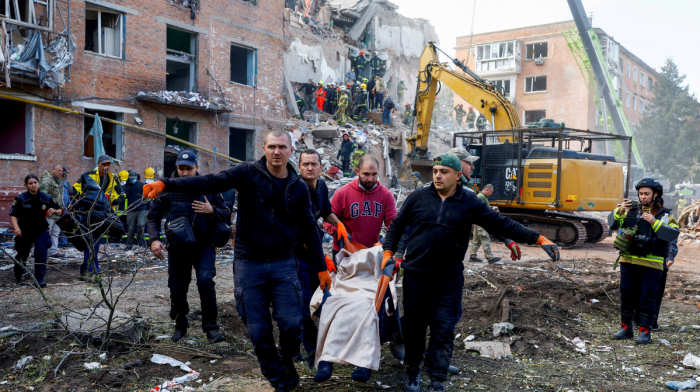
Russia struck Ukraine overnight in one of the biggest attacks of the conflict, killing at least 19 people, Kyiv's Foreign Ministry said on Wednesday. Around 70 missiles were fired at Ukraine during the attack, as well as drones, the Ministry said.
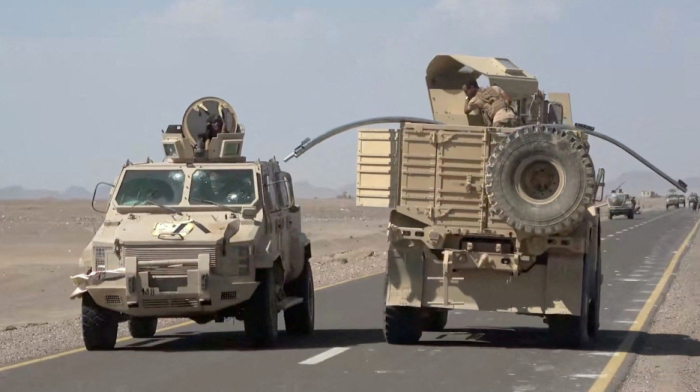
The Saudi-led coalition says it has carried out a series of military operations against Houthi targets in Yemen after attacks on two Saudi airports left three people dead and dozens injured.
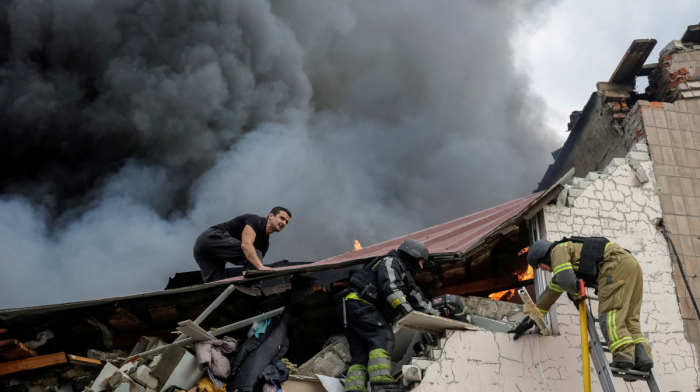
A large Ukrainian drone attack on Moscow and the surrounding region has killed two people, damaged homes and sparked a major fire at a key fuel facility, according to Russian officials and military bloggers.
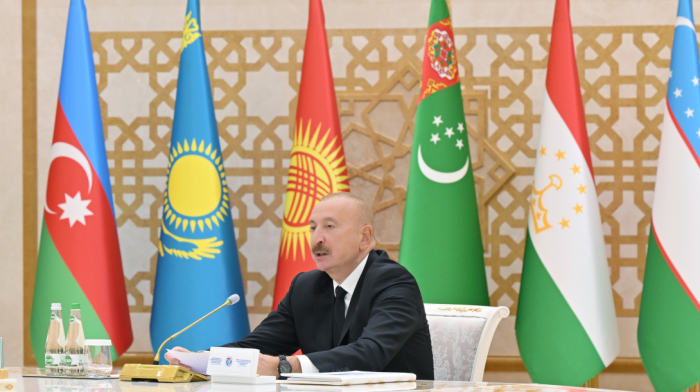
Azerbaijan and the five Central Asian states have signed two key documents at the 8th Consultative Meeting of Heads of State in Turkmenbashi, formalising a broader framework for regional cooperation in transport, trade, energy, digitalisation and security.
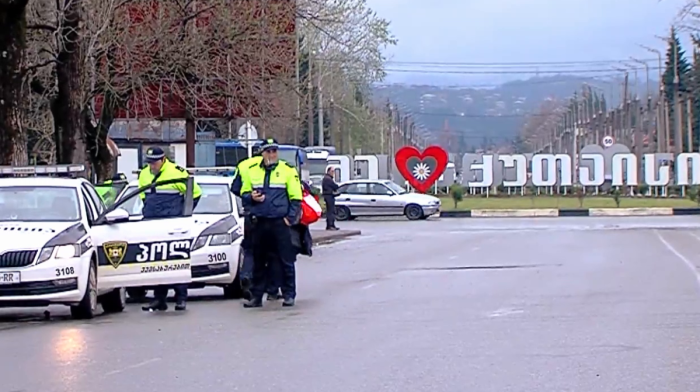
Georgia has detained a man who planned to sell uranium-238 to a foreign national for $700,000, the national security service said on Wednesday.
Azerbaijan and the five Central Asian states have signed two key documents at the 8th Consultative Meeting of Heads of State in Turkmenbashi, formalising a broader framework for regional cooperation in transport, trade, energy, digitalisation and security.
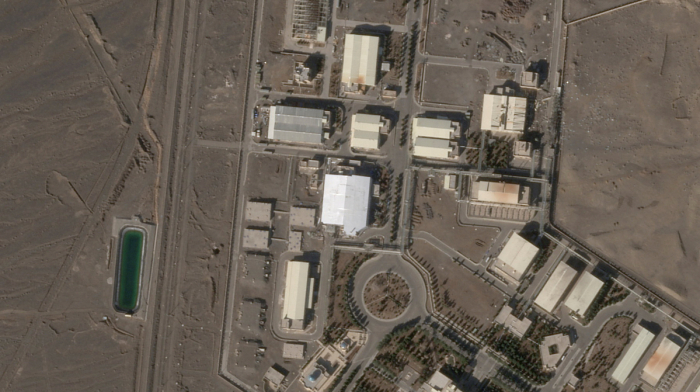
U.S. Vice President JD Vance told Reuters on Monday (5 October) that Iran must make a “meaningful” reduction in its uranium enrichment capacity to satisfy U.S. demands and end the countries' seven-month war.
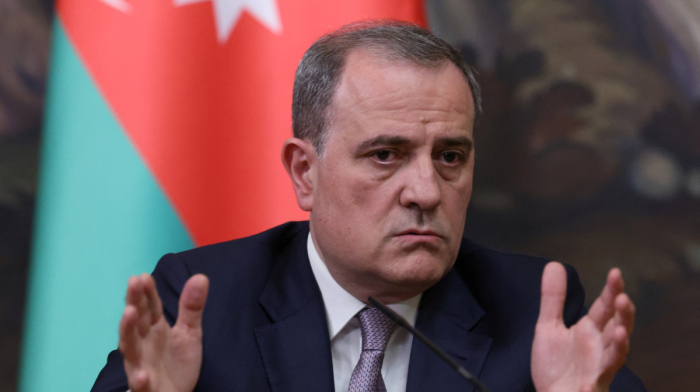
Azerbaijan’s Foreign Minister Jeyhun Bayramov has called for further integration of infrastructure between regional countries to bolster the Middle Corridor trade and logistics network.
The Saudi-led coalition says it has carried out a series of military operations against Houthi targets in Yemen after attacks on two Saudi airports left three people dead and dozens injured.
You can download the AnewZ application from Play Store and the App Store.




What is your opinion on this topic?
Leave the first comment