Six die in Swiss bus fire as authorities investigate possible 'deliberate act'
At least six people have died after a bus caught fire in Kerzers, Switzerland, in what police say may have been a deliberate act. Witnesses reporte...
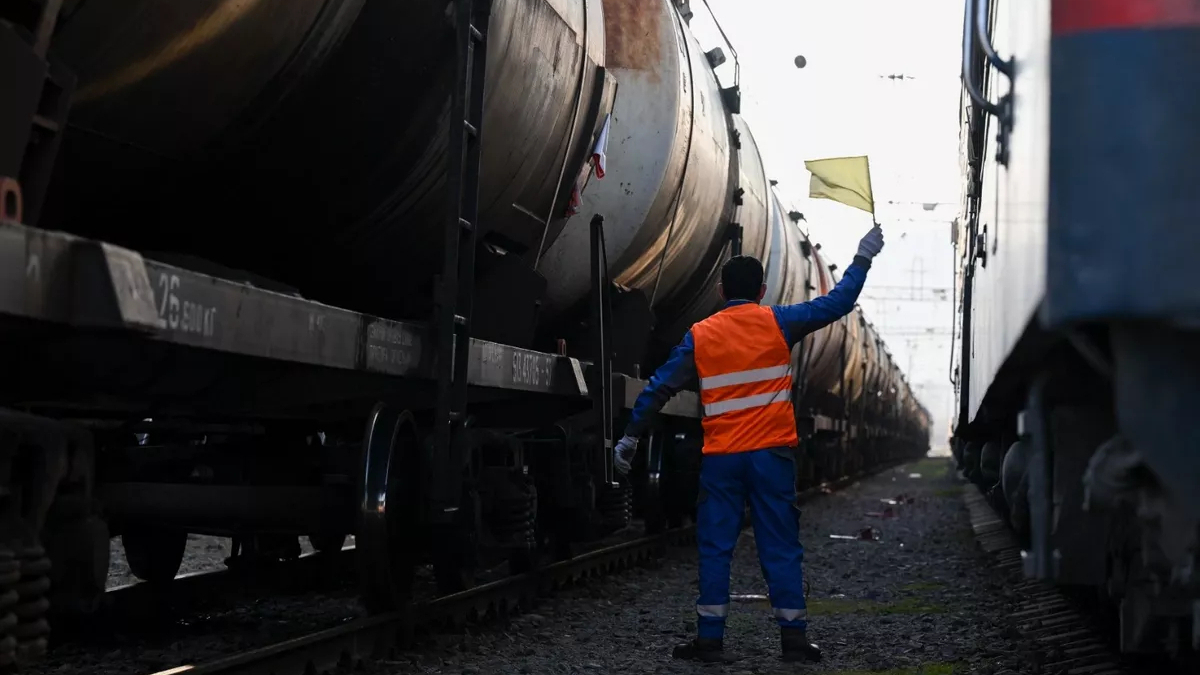
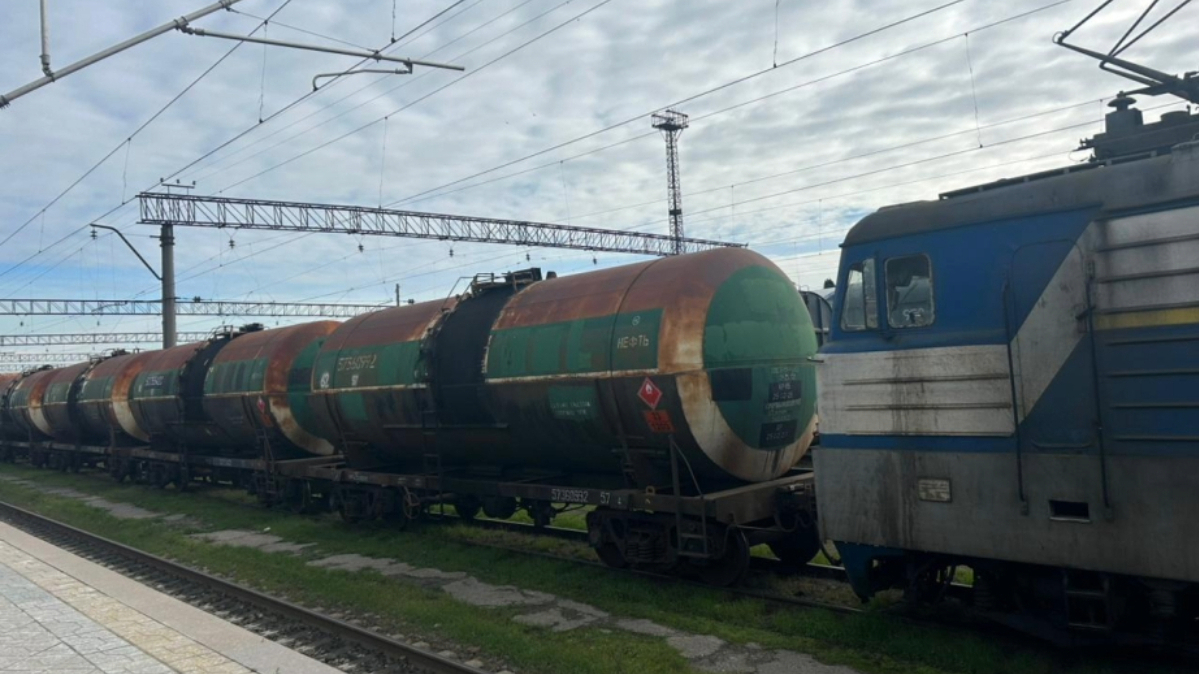
Armenia has confirmed the shipment of a second batch of petroleum products from Azerbaijan, underscoring expanding economic ties between the two countries following the recent peace process. Yerevan's Ministry of Economy’s spokesperson, Lilit Shaboyan, verified the information.
The shipment includes 1,000 tonnes of A‑92 petrol, 1,000 tonnes of diesel fuel and 1,800 tonnes of A‑95 petrol, and will be transported via the Guzdek railway station and the Baku freight station.
Armenia’s Economy Minister Gevorg Papoyan said the current shipment includes both premium and regular petrol as well as diesel, and is expected to be approximately 80 drams per litre cheaper than prevailing local prices, offering relief to consumers.
The move is widely seen as part of a broader economic normalisation and peace agenda between Baku and Yerevan, with Azerbaijani fuel imports expected to diversify Armenia’s energy supplies and enhance competition in the domestic market.

The first batch in more than three decades of petroleum products from Azerbaijan to Armenia went by rail on 18 December last year, (22 tank wagons carrying around 1,300 tonnes of AI‑95 petrol), following an agreement between the two governments to expand commercial cooperation.
“Perhaps, this is the first trade and economic transaction between Armenia and Azerbaijan not only after the peace established between the two countries, but also after independence in general,” Yereven's Economy Minister Gevorg Papoyan wrote on Facebook about the first delivery.
The move comes following a trilateral summit at the White House in August 2025, where Armenian Prime Minister Nikol Pashinyan and Azerbaijani President Ilham Aliyev, alongside U.S. President Donald Trump, signed a declaration to formally end decades of conflict.
The agreement included commitments to cease hostilities, reopen transport routes, and normalise bilateral relations.
Analysts and business sources have noted that the new supply route could help Armenia reduce dependence on other traditional suppliers.

Tensions in the region remained high on Tuesday (10 March), as the United States and Iran exchanged increasingly sharp warnings, including threats over the strategic Strait of Hormuz, a critical artery for global oil supplies.
China has urged Afghanistan and Pakistan to resolve their dispute through dialogue after Chinese envoy Yue Xiaoyong met Afghan Foreign Minister Amir Khan Muttaqi, as fighting between the two neighbours entered its eleventh day.
Entry and exit across the state border between Azerbaijan and Iran for all types of cargo vehicles, including those in transit, will resume on 9 March, according to a statement by the Cabinet of Ministers of Azerbaijan.
Iranian civilian and military officials have pledged their obedience to the new leader, Ayatollah Seyed Mojtaba Khamenei, with President Masoud Pezeshkian saying his leadership “will herald a new era of dignity and authority for the Iranian nation.”.
Kazakhstan has evacuated more than 7,300 citizens from the Middle East since regional tensions escalated, using both air and land routes to bring nationals home while closely monitoring political developments and potential economic effects linked to rising oil prices.
Tensions are rising in the South Caucasus after a reported strike near Azerbaijan’s Nakhchivan exclave, fuelling fears that instability linked to Iran could spill into the region, Dr. Erik Rudenskjold speaks to AnewZ.
Iran and the U.S. exchanged threats on Tuesday, as U.S. Defense Secretary Pete Hegseth warned Tehran to expect the “most intense day" of attacks so far. Meanwhile, Iranian President Masoud Pezeshkian said “anyone who entertains the illusion of destroying Iran knows nothing of history."
The Strait of Hormuz has become a focal point of global concern as tensions rise following the conflict involving Iran, the United States and Israel. Tehran has threatened to block the strategic waterway, raising fears of disruption to global oil shipments and energy markets.
Reports of so-called “acid clouds” moving from Iran towards Central Asia are not supported by scientific data, national hydrometeorological services in Kazakhstan, Uzbekistan and Kyrgyzstan say, adding there is no threat to the region.
A senior delegation from the OSCE Parliamentary Assembly has been holding meetings with Georgian government officials, opposition leaders and security authorities this week, as international observers attempt to gauge the country’s political climate following last year’s contentious elections.
You can download the AnewZ application from Play Store and the App Store.
What is your opinion on this topic?
Leave the first comment