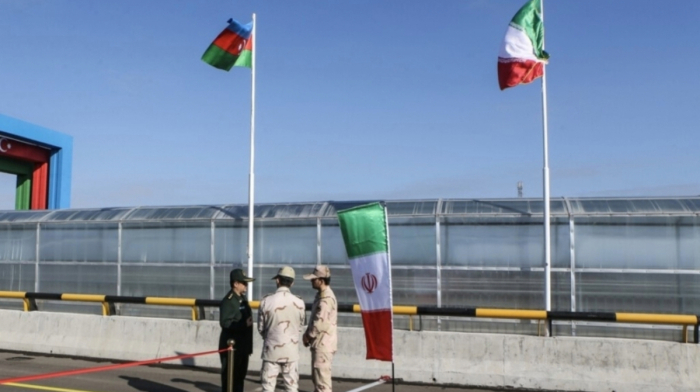
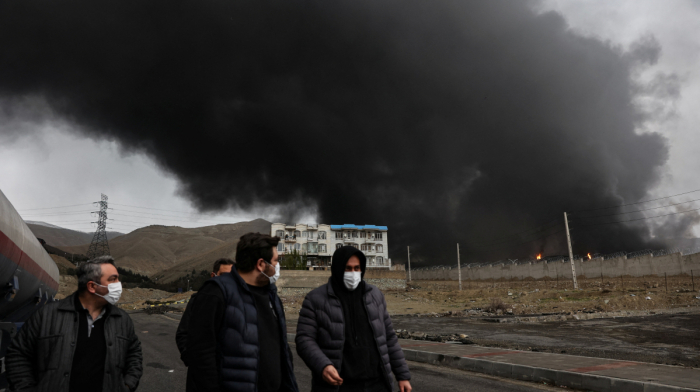
Tensions are rising in the South Caucasus after a reported strike near Azerbaijan’s Nakhchivan exclave, fuelling fears that instability linked to Iran could spill into the region, Dr. Erik Rudenskjold speaks to AnewZ.
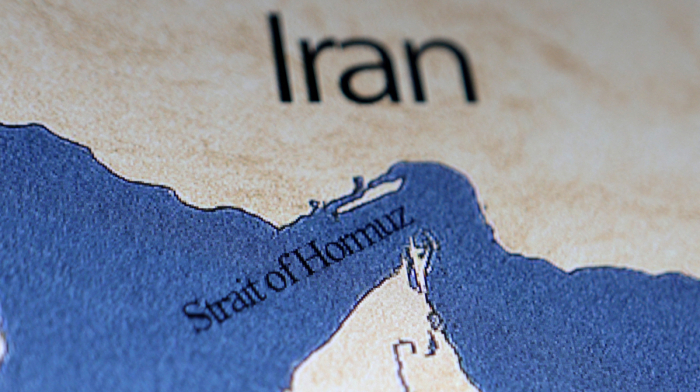
The incident, which several analysts believe may have originated from territory inside Iran, has heightened scrutiny of the fragile security environment along the region’s southern flank. While details remain limited, experts say the episode highlights the broader risks posed by escalating tensions involving Iran and its military structures.
According to Erik Rudenskjold, a senior fellow at the Caspian Policy Centre and former director at the United States National Security Council, many analysts suspect the fire may have been linked to elements of the Islamic Revolutionary Guard Corps (IRGC), although no official confirmation has been made.
“What we’ve seen so far is a calm and deliberate approach,” Rudenskjold said, referring to the response from regional governments. “There is a recognition that this is an area of incredible concern.”
Authorities in Baku and Ankara have reacted in a coordinated manner, maintaining a measured tone while placing some military units on heightened alert. Regional states including Turkmenistan and Armenia are also closely monitoring developments.
Analysts warn that the greatest risk lies not in a single incident but in the possibility of broader spillover - ranging from military escalation to refugee flows - that could destabilise the wider region.
Aliyev balances strong rhetoric with diplomatic outreach
Ilham Aliyev, the president of Azerbaijan, responded strongly in the immediate aftermath of the incident, describing the strike as an act of terror against Azerbaijani territory.
Speaking at a meeting of the National Security Council of Azerbaijan on 5 March, Aliyev used unusually strong language, saying the incident would remain “a stain that will never be erased” from those responsible.
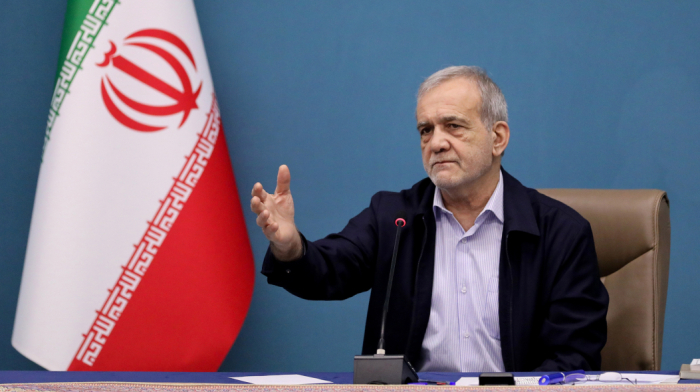
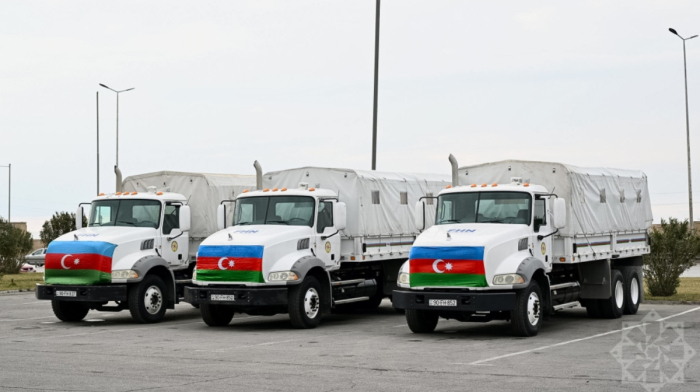
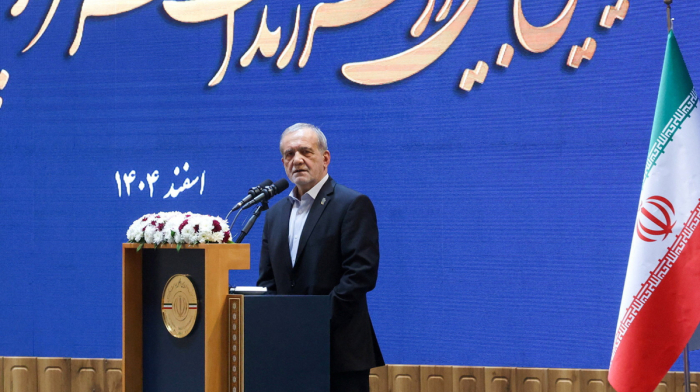
Despite the initial strong response, Baku also moved quickly to maintain diplomatic channels with Iran. Aliyev later held a phone conversation with Iranian President Masoud Pezeshkian, sent humanitarian aid to Iran and congratulated the country’s new leadership.
Rudenskjold said the sequence of actions suggests Azerbaijan is attempting to strike a balance between defending its sovereignty and maintaining regional stability.
“Hearing from President Aliyev, you saw first a very strong response to an attack on his sovereign territory,” he said. “But later there was also a more conciliatory clarification that Azerbaijan would not participate in operations against Iran at that time.”
He added that the Azerbaijani leadership appears to be seeking a middle ground in what remains a highly uncertain situation.
Regional uncertainty complicates diplomacy
Part of the difficulty, Rudenskjold said, stems from uncertainty within Iran itself. Questions about internal stability and competing power centres can make it difficult for neighbouring countries to determine who holds decision-making authority.
“In any kind of leadership vacuum there are all sorts of inherent instabilities,” he said. “That makes it complicated for countries in the region to know who to talk to and how long those interlocutors will remain in place.”
Analysts say the evolving situation underscores the strategic importance of Nakhchivan, an Azerbaijani exclave bordering Iran, Türkiye and Armenia.
Rudenskjold emphasised that coordination among regional governments will be essential in preventing further escalation. He welcomed diplomatic engagement between Ilham Aliyev and neighbouring leaders, including Türkiye and Armenia, describing it as a necessary step during a period of heightened tension.
“Strategic coordination among countries in the region is absolutely vital at this point,” he said. “That kind of engagement will be needed to navigate what is clearly a very tense moment.”
For now, experts say the priority for governments across the South Caucasus is to maintain calm while remaining vigilant, in the hope that the incident does not escalate into a broader regional crisis.











What is your opinion on this topic?
Leave the first comment