Emirati investment has become a central element of Azerbaijan’s renewable energy ambitions, prompting fresh focus on whether recent high-level visits were also aimed at accelerating a shift beyond oil and gas.
Both Azerbaijan and the UAE remain major hydrocarbon producers, but diversification has become a strategic priority.
Speaking to AnewZ, Sheraz Mehmood Khan, Research Scholar at Western Caspian University, said the visit was also about accelerating cooperation in renewable energy, including wind and other clean technologies, alongside traditional energy ties.
That shift builds on a relationship with deep roots. Azerbaijan and the UAE established diplomatic relations shortly after Azerbaijan gained independence in the early 1990s, with Abu Dhabi among the first Gulf capitals to recognise the country. Since then, ties have expanded steadily through political dialogue, investment, and regular high-level engagement, creating a foundation of trust that now underpins broader economic cooperation.
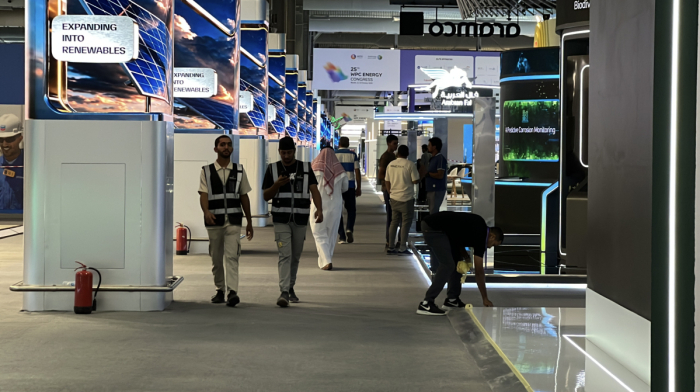
Renewable energy cooperation is already taking shape through concrete projects. UAE-based clean energy company Masdar has committed more than $1.2bn to renewable investments in Azerbaijan, including the 230 megawatt Garadagh solar power plant, the country’s first utility-scale solar facility built with foreign investment. Further agreements cover around 1 gigawatt of additional solar and wind capacity, with offshore wind projects in the Caspian Sea also under discussion.
Khan linked this momentum to climate diplomacy, noting that COP28 hosted by the UAE and COP29 hosted by Azerbaijan reflect parallel commitments to addressing environmental challenges. He said both countries are effectively on the same path, balancing continued hydrocarbon production with growing expectations around climate action and sustainability.
Azerbaijan’s strategic geography adds another layer to the partnership. Khan described the country as a regional hub where major energy and transport corridors converge, including the Middle Corridor linking Asia and Europe. This positioning, he said, makes Azerbaijan important not only for the UAE but for the wider Caucasus region, reinforcing Abu Dhabi’s interest in long-term connectivity and investment.
The UAE has also consistently supported Azerbaijan’s territorial integrity and regional stability, a factor analysts say has helped translate political alignment into economic cooperation. That trust is now reflected in a more multivector relationship, spanning energy, infrastructure, technology, and emerging non-oil sectors.
Beyond energy, recent engagements have highlighted interest in diversification-driven sectors. The presidents’ attendance at the Games of the Future in Abu Dhabi was seen as symbolic of a broader agenda linking investment, technology, and new growth industries.
Khan said both sides are now focused on identifying opportunities that support long-term diversification while preserving their influence as energy producers in a changing global landscape, with renewables and connectivity increasingly shaping the next phase of Azerbaijan–UAE relations.












What is your opinion on this topic?
Leave the first comment