Uzbekistan plans joint customs checks with Kazakhstan and Kyrgyzstan
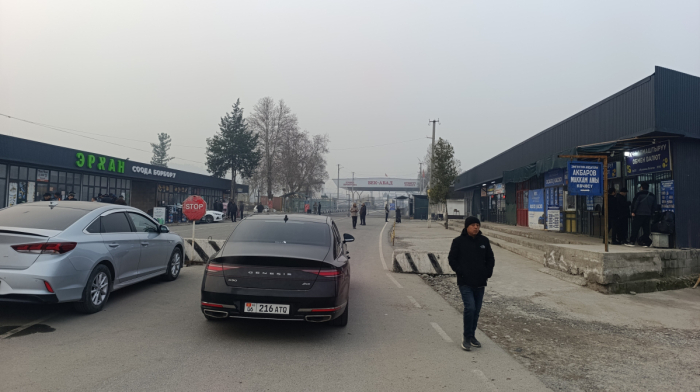
Uzbekistan is in talks with Kazakhstan and Kyrgyzstan over a joint customs system aimed at cutting border delays and speeding up freight transport....
Antalya is set to become the centre of global diplomacy this week as it hosts the fifth edition of the Antalya Diplomacy Forum (ADF), a major international gathering that brings together leaders, policymakers and thinkers from across the world.
Held annually, the forum has grown into one of the most significant platforms for dialogue between governments, businesses, and academia.
This year’s theme, “Mapping Tomorrow, Managing Uncertainties,” reflects a world grappling with rapid change and rising instability.
The timing feels particularly relevant. With conflict in the Middle East still fresh in global minds, discussions are expected to focus heavily on security, regional stability, and prospects for peace.
Behind the scenes, diplomatic conversations are already being planned, including talks related to tensions in the Gulf.
More than 500 senior officials from more than 150 countries are expected to attend the two-day event, which runs from 17 to 18 April.
Among them will be 22 heads of state and government, alongside 14 deputy leaders and more than 50 ministers, including 39 foreign ministers. Representatives from nearly 80 international organisations will also take part.
Nearly half of the attending heads of state will come from Europe and Africa, while foreign ministers represent a broad geographical spread, with Europe, Asia and Africa all strongly represented.
Among the early arrivals is Azerbaijan President Ilham Aliyev, who touched down in Türkiye on Thursday (16 April) for a working visit ahead of the forum. He is attending at the invitation of Recep Tayyip Erdoğan, who is expected to officially open the event with a keynote speech.

Beyond political leaders, the forum will host around 5,000 participants, including academics, students and policy experts. A strong media presence is also anticipated, with more than 1,100 journalists set to cover the event.
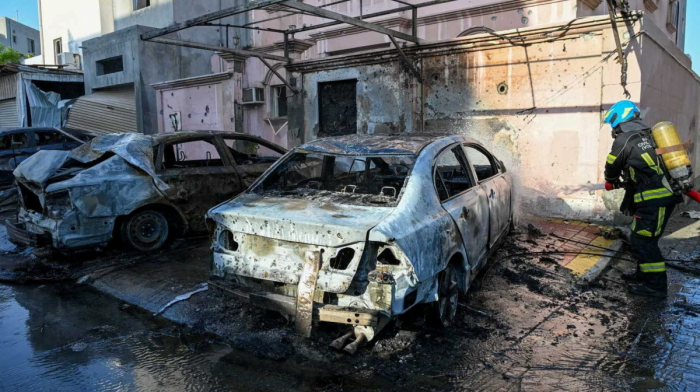
Saudi Arabia said it intercepted two Houthi ballistic missiles targeting Riyadh and three drones in its oil-rich Eastern Province on Sunday (15 November), as Iran's Revolutionary Guards claimed separate attacks on a U.S. military facility in Bahrain.
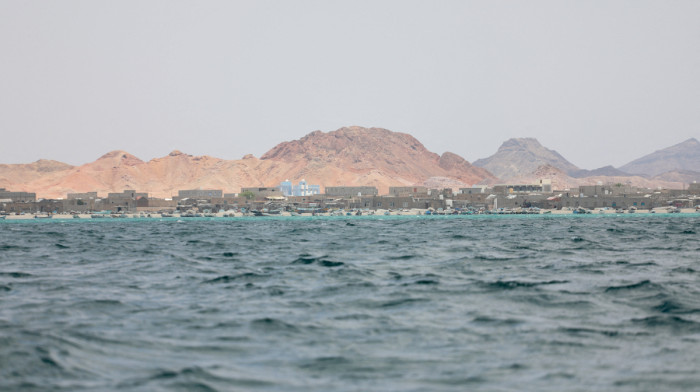
Yemeni forces fighting for the internationally recognised Saudi-backed government said on Sunday that they were withdrawing from an area overlooking the strategic Bab el-Mandeb Strait, leaving the Iran-aligned Houthis in control.
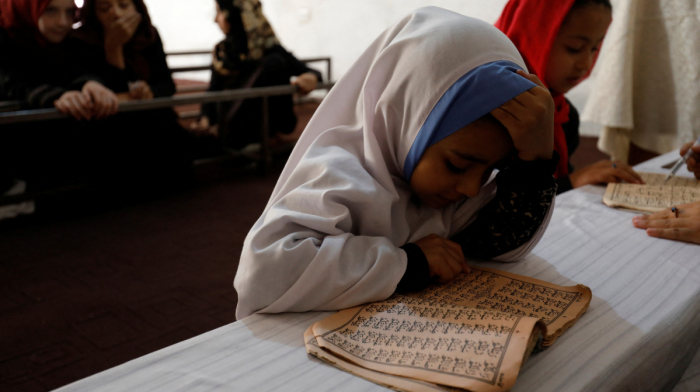
Afghanistan’s Ministry of Education has challenged a United Nations report on access to education, saying its findings do not reflect the full picture of the country’s education system.
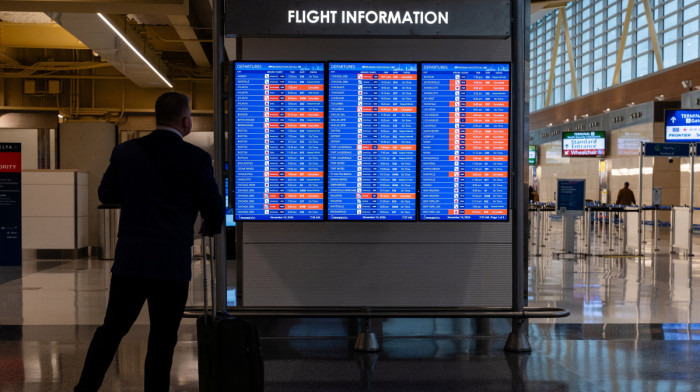
U.S. air travel is not expected to return to normal schedules until late on Sunday (15 November), the head of the FAA said, as the aviation system gradually recovers from a nationwide flight shutdown that officials blamed on routine maintenance gone awry.
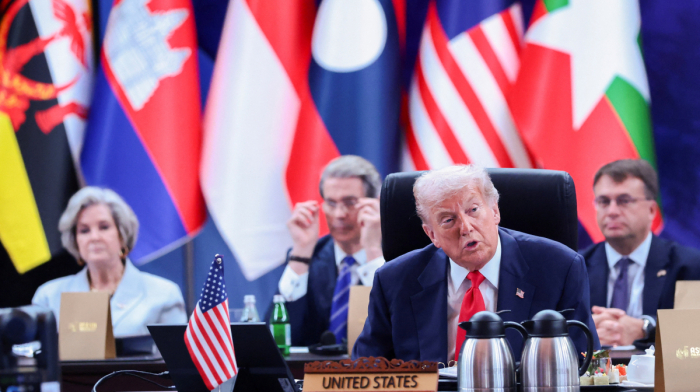
U.S. President Donald Trump is expected to arrive in Manila on Tuesday, 17 November, for a special summit with Southeast Asian leaders, as Washington seeks to strengthen regional economic and security ties amid trade tensions and growing competition with China.
Uzbekistan is in talks with Kazakhstan and Kyrgyzstan over a joint customs system aimed at cutting border delays and speeding up freight transport. The proposed ‘One Stop’ system would eliminate duplicate inspections and simplify procedures at selected crossings.
Bahrain has sentenced dozens of people, most of them Shia Muslim clerics, to life in prison over an alleged plot involving Iran’s Revolutionary Guards to overthrow the government, as rights groups raise concerns about torture and coerced confessions.
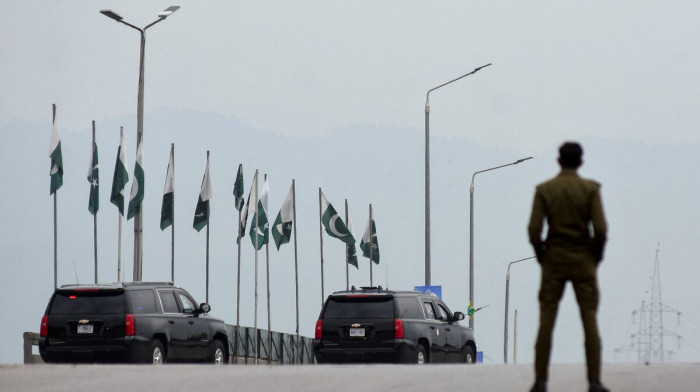
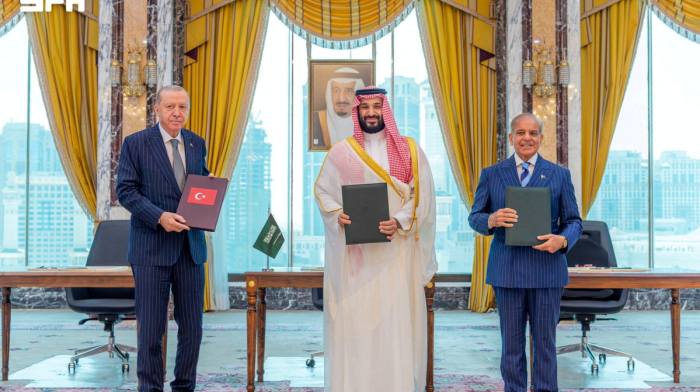
Türkiye has brought a trilateral defence pact with Pakistan and Saudi Arabia into force and signed a separate agreement with Qatar, as Ankara moves to strengthen its regional security partnerships.
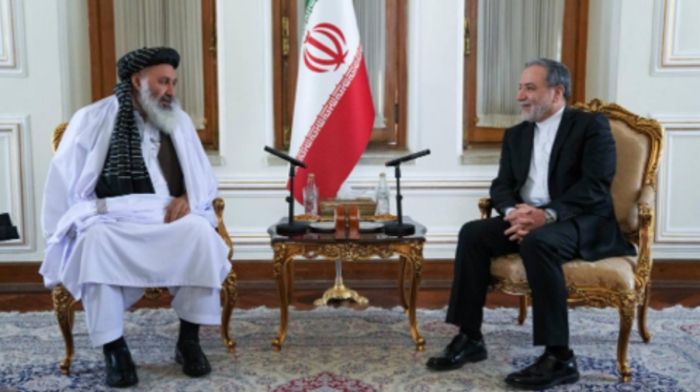
Afghanistan and Iran agreed to expand border facilities and operate customs around the clock during talks in Tehran on Sunday (15 November) between Afghan Finance Minister Mohammad Nasir Akhund and Iranian Foreign Minister Abbas Araghchi, as both countries seek to increase trade.
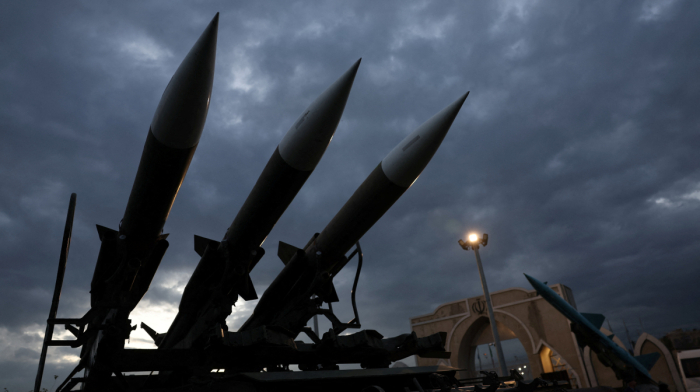
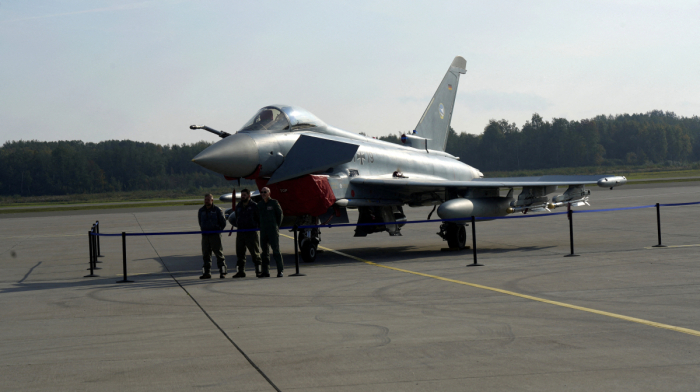
Gulf air defences have intercepted thousands of missiles and drones, but dwindling interceptor stocks are raising questions about how long that protection can last. New military agreements and closer regional cooperation could help, but significant gaps remain.
You can download the AnewZ application from Play Store and the App Store.
What is your opinion on this topic?
Leave the first comment