Peace only reliable guarantee of Armenia's security - Armenia
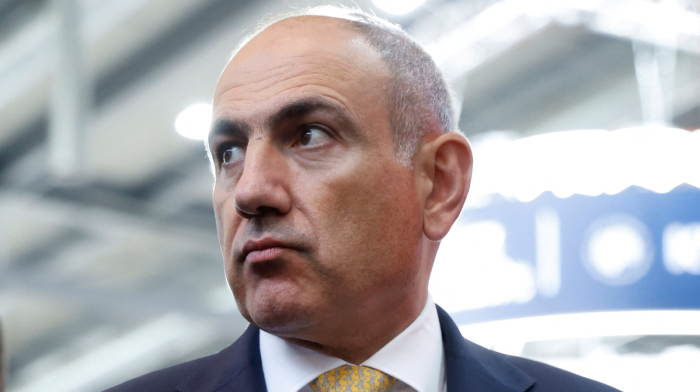
Peace is Armenia’s only reliable guarantee of security, Armenian Prime Minister Nikol Pashinyan has said in comments in Dublin, where he also...
Turkish Defence Minister Yaşar Güler has warned that the ongoing regional conflict could escalate further, describing the Iran–U.S. ceasefire as “fragile.”
Güler made the remarks on Tuesday while addressing Turkish military personnel deployed in Qatar as part of the Türkiye-Qatar Joint Force Command.
“The risk of war spreading in our region still exists,” he said in remarks cited by local media.
“Fragile as it may be, we value the announced ceasefire and wish for it to become permanent for the sake of ensuring regional security and economic stability,” Güler added.
Türkiye, he said, “pursues an approach that prioritizes peace, reduces tensions, and supports stability”.
“The duties performed by our units here [in Qatar] reflect this strategic approach on the ground,” the defence chief added.
He also praised what he described as Doha’s “determined and reasonable stance” during the weeks-long regional conflict between Iran, Israel and the United States, which is now in its second month.
On Wednesday, Turkish President Recep Tayyip Erdoğan said Ankara was working to extend the shaky two-week ceasefire, which initially came into effect on 8 April.
Speaking to lawmakers, Erdoğan said the “window of opportunity” created by the truce should be seized, also warning that continued Israeli attacks on Lebanon were harming prospects for peace.
In 2015, Türkiye established a Land Forces Command in Qatar, with which it maintains close political and economic relations.
This was followed two years later by the establishment of the Türkiye–Qatar Joint Force Command in Doha.
In 2024, Türkiye also established naval and air commands in Qatar with the aim of contributing to the latter’s security and expanding its own military footprint in the region.
Addressing troops deployed in Doha, Güler said the objective of the Turkish military presence in Qatar was a “stronger Türkiye in the region and world and a more effective Turkish armed forces.”
During his visit to the small Persian Gulf country, Güler also met Qatari Emir Tamim bin Hamad Al Thani, with whom he discussed regional developments.

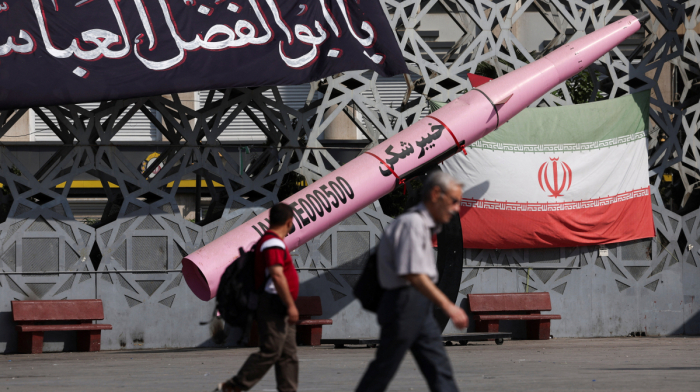
Iran’s Assembly of Experts has backed withdrawing from the Nuclear Non-Proliferation Treaty (NPT) and overhauling the country’s defence doctrine, calling both steps essential to national security and deterrence.
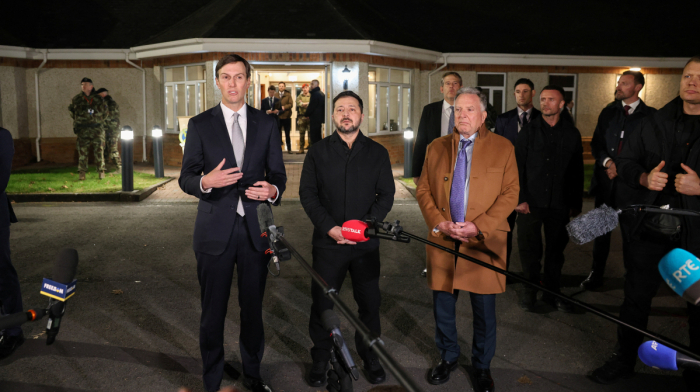
President Vladimir Putin agreed on Thursday to let European representatives join the next round of Ukraine peace talks while the United States continues to work towards what could become the largest prisoner exchange of the Russia-Ukraine war.
Microsoft struggled to restore its services on Friday after a major outage disrupted Outlook, Teams and Copilot across the United States and Asia-Pacific region.
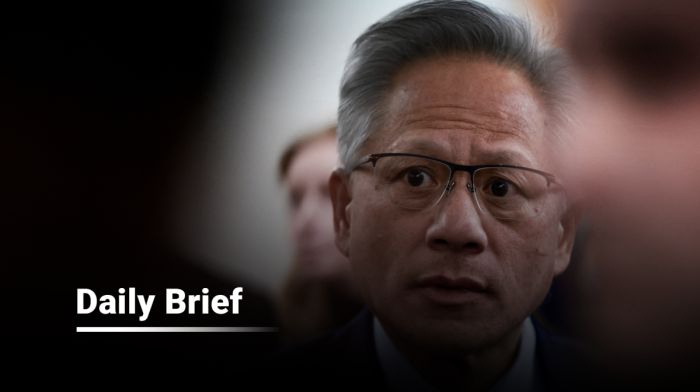
Here's your AnewZ Technology Daily Brief for the 13th of November. This week, a Microsoft outage hit Australian agencies, Google restricted mapping data in South Korea, a lawsuit targeted advanced AI development, and Nvidia faced a leadership crisis after Jensen Huang's resignation.
Kazakhstan-linked hackers stole thousands of national security documents from Tajikistan, a cybersecurity company has said.
Peace is Armenia’s only reliable guarantee of security, Armenian Prime Minister Nikol Pashinyan has said in comments in Dublin, where he also commented that the Russian-led Collective Security Treaty Organisation (CSTO) alliance had failed to fulfil its obligations towards Yerevan.
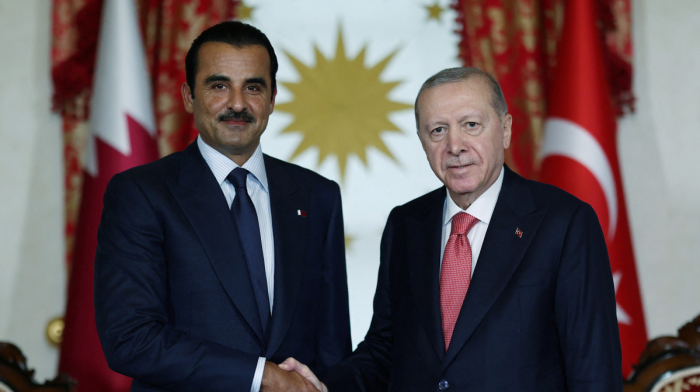
Türkiye and Qatar signed a mutual defence agreement on Friday, November 13, aimed at strengthening collective security and regional stability. The two countries pledged to take a united stance against any external armed attack on either nation.
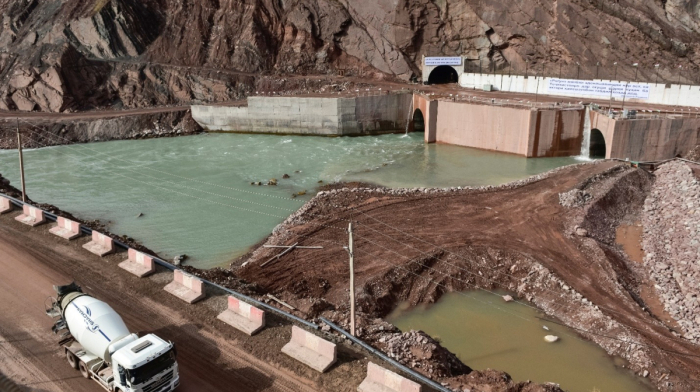
As Central Asia expands its hydropower infrastructure and high-rise construction, seismologists are examining whether large mountain reservoirs could influence earthquake activity. The question is particularly pressing in a region where major cities lie close to active tectonic faults.
As artificial intelligence (AI) becomes part of everyday life, languages with smaller speaker communities risk being left behind. Georgian, spoken by around four million people worldwide, is facing a digital challenge: making sure it is understood by the machines shaping how the world communicates.
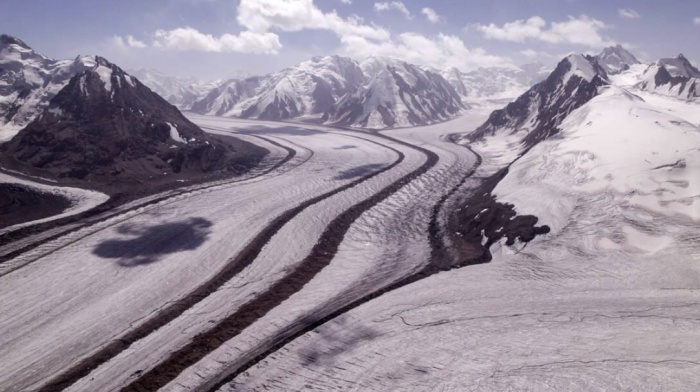
Tajikistan has urged the international community to increase funding to protect shrinking glaciers and help mountain communities adapt to climate change at the COP31 UN climate summit in Antalya, Türkiye.
You can download the AnewZ application from Play Store and the App Store.
What is your opinion on this topic?
Leave the first comment