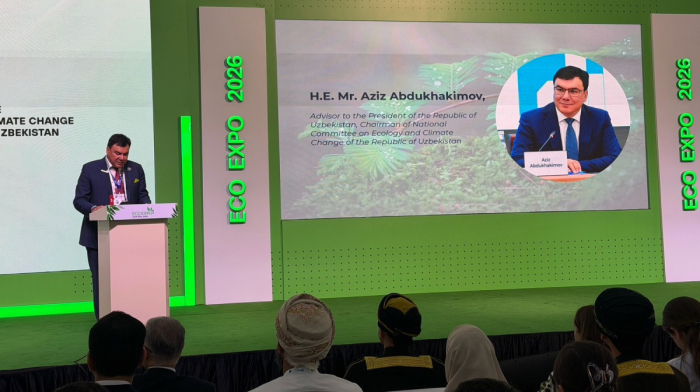
Eco Expo Central Asia 2026 drives regional action on climate and water
International organisations, investors, environmental experts and business representatives gathered in Samarkand for the opening of Eco Expo Central A...
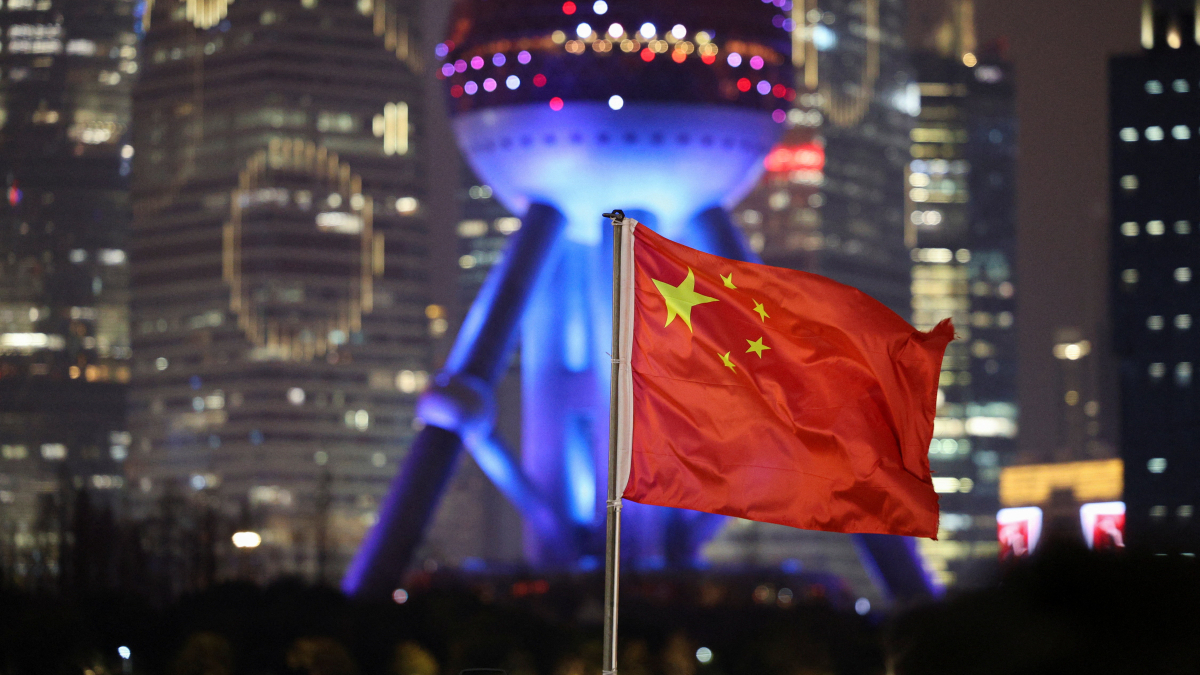
China expressed serious concern over the escalating conflict in Iran, confirming that one Chinese national was killed in Tehran. Beijing called for an immediate halt to military operations and a return to diplomatic talks, while other Asian countries have also voiced their positions on the crisis.
Mao Ning, a spokesperson for the Chinese Foreign Ministry, told a regular press briefing on Monday (2 March) that more than 3,000 others have already been evacuated from Iran. Beijing reiterated its opposition to the use of force in international relations, describing the U.S. and Israeli strikes as violations of international law.
The ministry called for all parties to halt military operations, prevent spillover, and respect the security and territorial integrity of regional countries.
China signalled willingness to work with the international community to resolve the crisis through talks.
In Malaysia, Prime Minister Anwar Ibrahim condemned the killing of Iran's Supreme Leader Ali Hosseini Khamenei, on X, describing it as placing the Middle East “on the edge of grave and sustained instability” and warning that targeting a head of state sets a dangerous precedent.
He urged Iranian authorities to act with restraint and called on all parties to step back from further escalation.
Anwar also stressed the welfare of Malaysians in Iran, the Gulf States, and the wider Middle East, pledging that government missions have full resources to assist citizens.
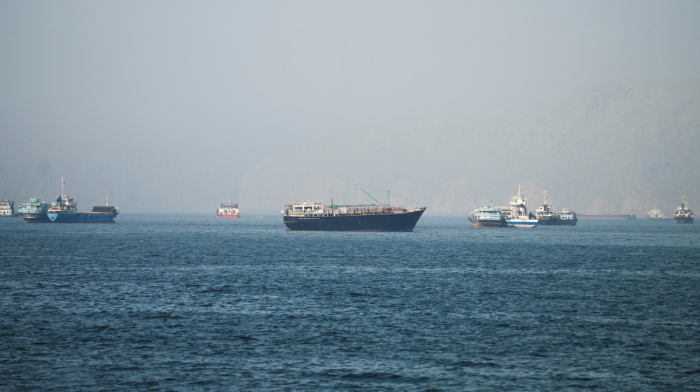
He highlighted the economic implications of the conflict, including risks to regional airspace and navigation through the Strait of Hormuz, and called for an immediate ceasefire, protection of civilians, and a return to serious dialogue.
PM Anwar stressed that the crisis “cannot be resolved by force” but requires diplomacy and political will.
North Korea’s foreign ministry labelled the United States' and Israeli actions “illegal aggression” and a violation of Iran’s sovereignty, calling for regional states to act to restore peace and stability.
In South Asia, protests by Shia Muslim groups in India condemned Khamenei’s killing, highlighting regional public concern.
The statements follow renewed military operations in Tehran, with Israel launching a new wave of air strikes on Sunday and Iran retaliating with missile barrages, intensifying uncertainty for the region and global markets.
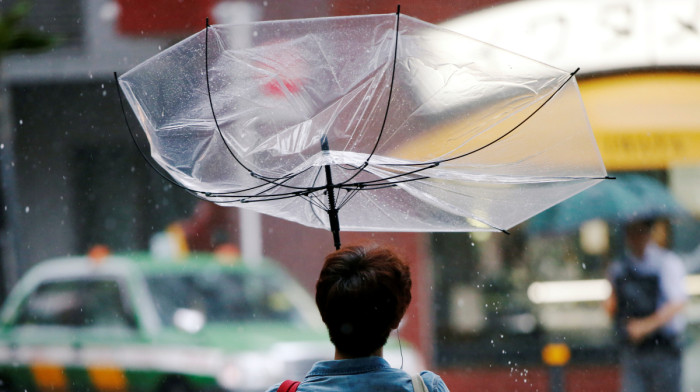
Okinawa lost transport links and suffered widespread power outages on Monday (1 June) as Severe Tropical Storm Jangmi brought destructive winds and heavy rain to Japan's south-western islands.
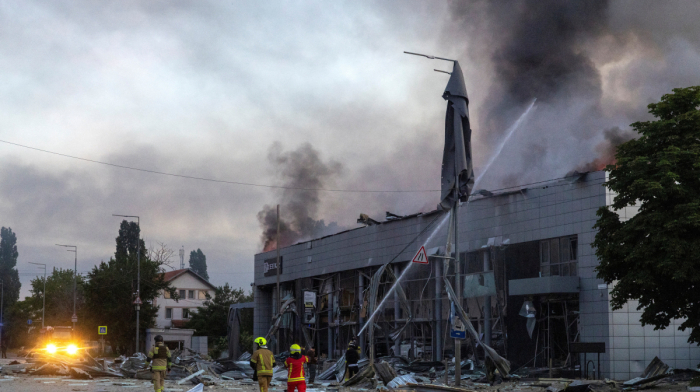
Competing narratives continue to shape perceptions of the war in Ukraine, with Russian leadership suggesting a possible end phase while Ukrainian officials warn of renewed large-scale attacks and ongoing escalation risks.
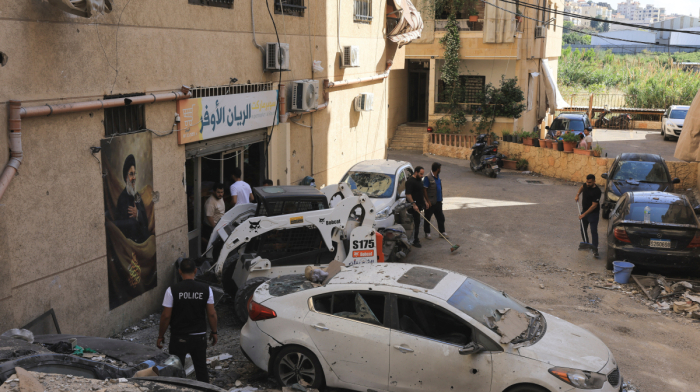
U.S. Secretary of State Marco Rubio has held talks with Lebanese President and Israeli Prime Minister on efforts to ease tensions between Israel and Lebanon. According to a U.S. official, Washington has proposed a plan aimed at achieving a gradual de-escalation of hostilities.
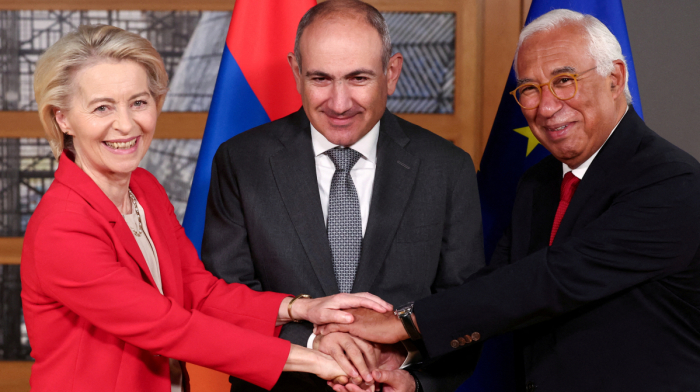
When Armenians vote on 7 June, they will be voting in an election shaped by months of political change and a rapidly deepening relationship with the European Union. The result may not only determine who governs Armenia but also the future direction of the country's geopolitical alignment.
Unsealed records from the U.S. Department of Justice have renewed scrutiny of lawyer Robert Amsterdam after documents revealed communications between his law firm and Jeffrey Epstein's office. The disclosures have drawn attention because of Amsterdam's prominent role in Armenia.
International organisations, investors, environmental experts and business representatives gathered in Samarkand for the opening of Eco Expo Central Asia 2026, one of the region's largest environmental events focused on green growth, climate resilience and sustainable development.
Armenian Prime Minister Nikol Pashinyan has said Yerevan remains committed to normalising relations with Azerbaijan and Türkiye, expressing confidence that decades of regional hostility will eventually give way to lasting stability.
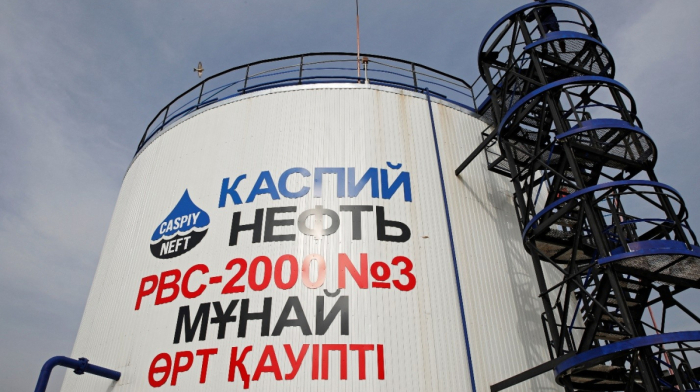
Kazakhstan has restored oil production after an accident at the Tengiz oil field briefly disrupted output last week, while also signalling its readiness to increase crude shipments through the Baku–Tbilisi–Ceyhan (BTC) pipeline.
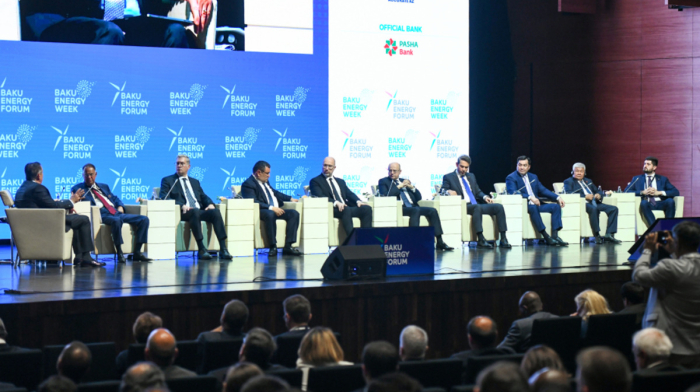
Baku has once again become a focal point for international energy diplomacy, investment and strategic cooperation, as Baku Energy Week brings together policymakers, industry leaders and investors from around the world.
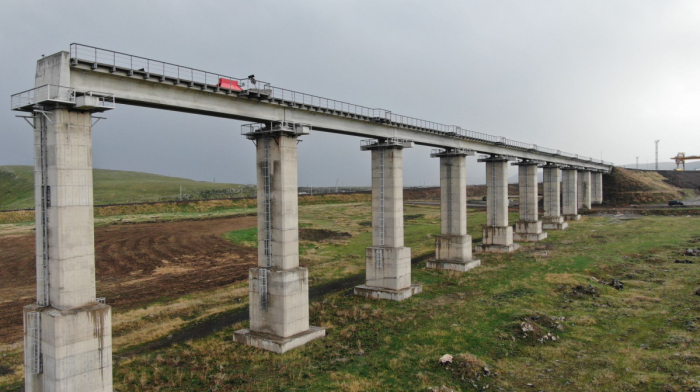
A launch ceremony marking the commissioning of the modernised Baku-Tbilisi-Kars (BTK) railway line was held at Akhalkalaki station in Georgia on 2 June, bringing together senior officials from Azerbaijan, Georgia and Türkiye.
You can download the AnewZ application from Play Store and the App Store.
What is your opinion on this topic?
Leave the first comment