Turkmenistan is preparing for a presidential visit to Brussels as the European Parliament considers ratifying a partnership agreement that has been stalled since 1998, with energy cooperation emerging as a key driver of renewed dialogue.
Ashgabat and Brussels are arranging an official visit by Turkmenistan’s president to the European Union to coincide with fresh discussions in the European Parliament over the ratification of a partnership agreement that has remained frozen for more than two decades. Although the exact date has yet to be finalised, both sides have confirmed that a decision to proceed has been taken and consultations on the agenda are under way.
Energy is expected to feature prominently in the talks. Turkmenistan holds the world’s fourth-largest natural gas reserves, yet remains heavily dependent on a single export route, with most of its gas supplied to China. For Ashgabat, diversification has become a strategic necessity; for the EU, engagement with Central Asian energy producers has gained importance amid broader efforts to secure and diversify supplies.
Shift towards renewables
Beyond natural gas, Brussels has signalled interest in Turkmenistan’s renewable energy potential. International assessments point to the country’s significant solar resources, opening the door to possible cooperation in green energy. Any future exports to Europe, however, would require major infrastructure projects, including transport routes across the Caspian Sea, underscoring the scale of the technical and political challenges that remain.
The diplomatic backdrop to the planned visit is the unresolved Comprehensive Partnership and Cooperation Agreement. Initialled in 1998, the document has never been ratified, making Turkmenistan the only post-Soviet state without a fully ratified partnership framework with the EU. In the absence of the agreement, relations continue to rest on an interim trade arrangement.
European hesitation has long been linked to concerns over human rights in Turkmenistan, which has adhered to a policy of permanent neutrality since independence in 1991. That stance has shaped its foreign policy under successive administrations, even as regional and global dynamics have evolved.
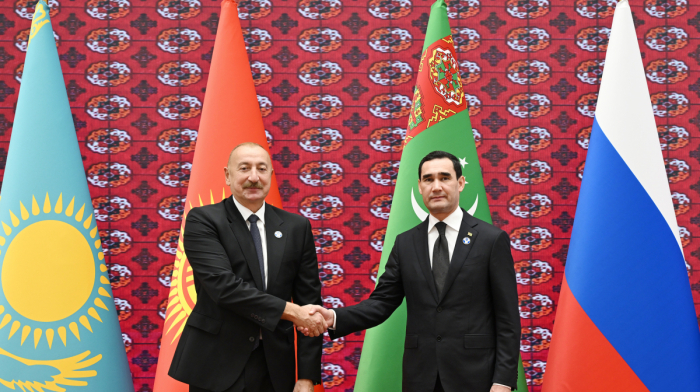
Since taking office in 2022, President Serdar Berdymukhamedov has sought to broaden Turkmenistan’s diplomatic engagement, balancing relations with Russia, China and neighbouring Central Asian states while cautiously intensifying dialogue with Western partners. The planned visit to Brussels, expected to include meetings with senior EU institutional leaders, reflects this more outward-looking approach.








What is your opinion on this topic?
Leave the first comment