Kazakhstan lost around 3.8 million tonnes of oil exports following an attack on facilities of the Caspian Pipeline Consortium (CPC), Energy Minister Yerlan Akkenzhenov said, stressing that it is still too early to assess the losses in monetary terms.
According to the minister, the impact of the incident was significant but limited in scope and did not affect the country’s overall performance for 2025.
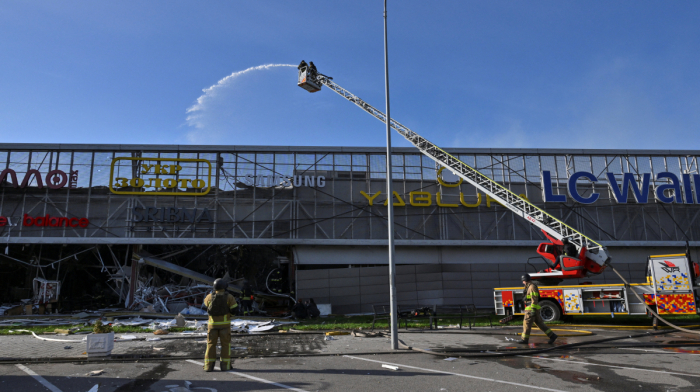
The attack on CPC facilities took place on 29 November, when unmanned boats destroyed offshore loading unit number 2 in the waters of the port of Novorossiysk. Around 80% of Kazakhstan’s oil exports are transported via the Caspian Pipeline Consortium.
The Kazakh government placed the situation under special supervision, and the country’s foreign ministry lodged an official protest.
Subsequently, some of the oil from the Kashagan field was temporarily redirected to China.
Targets met
Summing up the final results for the year, Akkenzhenov noted that Kazakhstan met its oil production and export targets, while some segments even exceeded planned figures, despite temporary disruptions to key export infrastructure. On an annual basis, he said, the country incurred no net losses, largely due to rapid operational adjustments and the redistribution of export flows.
Commenting on the circumstances of the attack, the minister emphasised that the tankers operating near the damaged CPC facilities were not part of what is often described as the “shadow fleet”. The strikes did not lead to a suspension of oil shipments, he said, but did result in higher insurance costs for vessels, adding pressure to export logistics and increasing transportation expenses.
Weather hampers repair work
At the time of the year-end assessment, the CPC was operating with two offshore loading units. Numbers 1 and 3 were functioning steadily, allowing the terminal to load up to two tankers per day, while unit number 2, which was damaged in the attack, remained in a semi-submerged state. According to Akkenzhenov, repair work was hampered by adverse weather conditions typical of the winter season on the Black Sea, where wave heights often exceed 2.5 metres and have previously forced the terminal to slow operations.
The minister explained that offshore loading unit number 2 sustained a breach measuring approximately 3.5 by 2 metres, making it impossible to restore buoyancy and conduct a full assessment of its internal systems within a short timeframe. Severe weather and strong internal currents remained the main obstacles. As a compensatory measure, the Ministry of Energy ordered two new offshore loading units from the United Arab Emirates.
Recorded losses
Earlier, in December 2025, Akkenzhenov said the initial consequences of the attack had resulted in the loss of around 480 000 tonnes of oil, acknowledging the direct impact on CPC infrastructure. Additional losses were also recorded at the Tengiz oil field, where output shortfalls amounted to approximately 900 000 tonnes, according to the ministry.









What is your opinion on this topic?
Leave the first comment