Kazakhstan’s economy is set to slow in the coming years as external conditions deteriorate and geopolitical risks intensify, according to the latest forecast by the World Bank.
While Central Asia as a whole remains the fastest-growing subregion globally, the resilience of that growth is increasingly being tested by a combination of global and regional pressures.
The World Bank expects the combined GDP of Central Asian countries to grow by 6.2% in 2025, before easing to 5% in 2026.
Weaker private consumption, driven by persistently high inflation, and declining export revenues linked to the slowdown of the Russian economy are seen as the main constraints.
Kazakhstan, the region’s largest economy, is projected to expand at a more moderate pace than several of its neighbours.
Economic growth in Kazakhstan is forecast to slow to 4.5%, largely due to stabilising oil production and falling global commodity prices.
These trends are expected to weigh on export earnings and budget revenues. By contrast, Kyrgyzstan, Tajikistan and Uzbekistan are projected to maintain relatively strong growth, although they too remain exposed to external shocks and domestic structural challenges.
The World Bank warns that a prolonged or escalating conflict linked to Russia’s invasion of Ukraine could continue to dampen economic activity across the region. At the same time, climate-related risks are becoming more pronounced.
More frequent droughts and extreme heat pose a serious threat to agricultural output, water resources and infrastructure, particularly in Central Asia, where the effects of climate change are already being felt acutely.
Against this backdrop, Kazakhstan’s energy sector, a cornerstone of the national economy, has come under close scrutiny on global markets.
According to Bloomberg, a sharp reduction in supplies of Kazakh oil has pushed prices higher in Europe, despite a global surplus of crude.
Lower deliveries of CPC Blend from Kazakhstan, combined with supply disruptions from Libya and some North Sea fields, have driven price increases across northern and Mediterranean markets.
Market signals have been striking. US WTI Midland crude has traded at a premium of $2.9 per barrel to Brent, the highest level in more than a year, while Azerbaijan’s Azeri Light has reached its strongest price in twelve months.
Although early 2026 market risks were previously associated mainly with instability in Iran and Venezuela, the immediate shortfall in Europe has been driven primarily by reduced supplies from Kazakhstan.
The most significant impact has stemmed from reduced exports via the Caspian Pipeline Consortium. Bloomberg estimates that shipments have fallen by almost half compared with planned volumes for the current month.
The timing and scale of the decline have been critical, hitting regions most exposed to futures pricing and eroding the oil surplus that had been expected at the start of 2026.
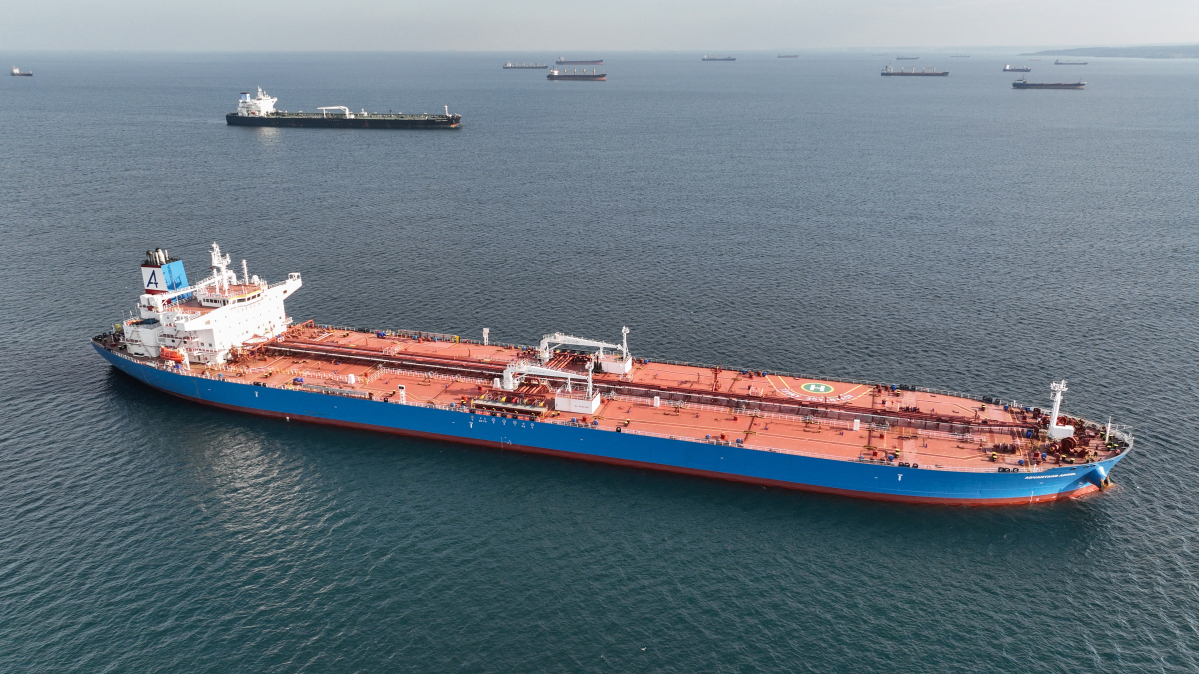
The causes are largely infrastructural and security-related. At the CPC marine terminal in the Black Sea, only one of three offshore loading units is currently operational.
A second was damaged in a drone attack in November, while the third remains under scheduled maintenance that has been delayed by adverse weather. As a result, Kazakhstan’s oil exports have fallen by around 45% compared with planned levels.
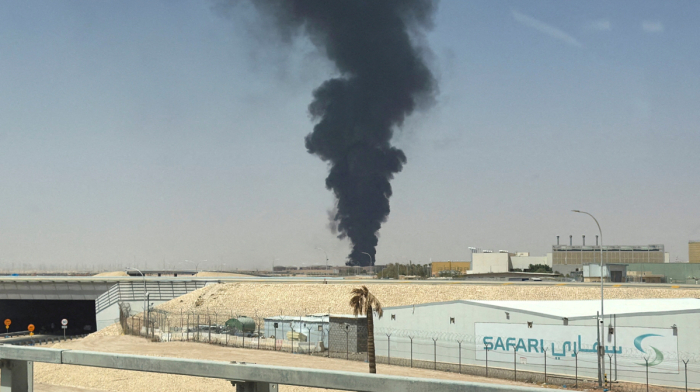
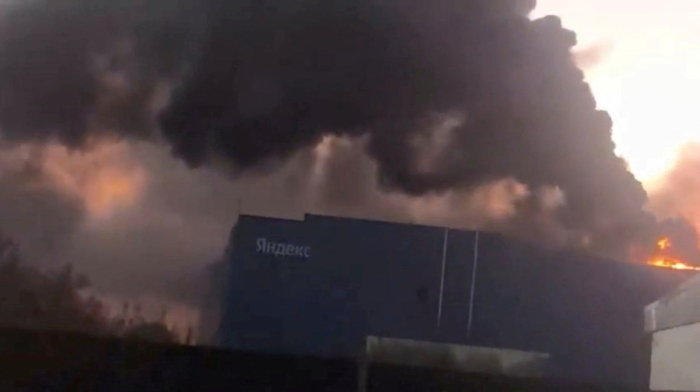
Security concerns have intensified following further incidents in January, when tankers bound for Kazakh oil were targeted by drones near the CPC terminal.
Kazakhstan’s Ministry of Foreign Affairs expressed serious concern and called on international partners to work jointly to ensure the safety of energy transportation.
According to the ministry’s spokesperson, Erlan Zhetybayev, emergency consultations were held with European countries, the United States and other partners, stressing the need for effective measures to protect international energy infrastructure.
Kazakhstan has emphasised that it is not a party to any armed conflict, operates in strict accordance with international law and makes a significant contribution to global and European energy security.
The tankers involved in the incidents, the authorities said, held all required permits and were equipped with the necessary identification systems.
Attacks on infrastructure linked to the transport of Kazakh oil are not unprecedented. In late November 2025, the Caspian Pipeline Consortium itself was targeted.
Around 80% of Kazakhstan’s oil exports, and a key source of state revenue, pass through the pipeline. At the time, the foreign ministry described the incident as an act of aggression and lodged an official protest.
Taken together, slower economic growth, declining oil revenues, a tightening sanctions environment and growing threats to critical infrastructure are creating an increasingly complex macroeconomic and geopolitical landscape for Kazakhstan.
In this context, the country’s economic resilience will depend not only on global commodity prices but also on its ability to safeguard export routes and adapt to rising instability both within the region and beyond.














What is your opinion on this topic?
Leave the first comment