Global energy markets are bracing for a sharp supply squeeze after a combination of geopolitical conflict and extreme weather disrupted one of Central Asia’s most important oil export routes.
Loadings of Caspian CPC Blend crude have fallen sharply, with shipping data indicating exports will average between 800,000 and 900,000 barrels a day for the rest of January. That is around 45% below the volumes expected in mid-December, tightening availability and pushing up prices for remaining cargoes.
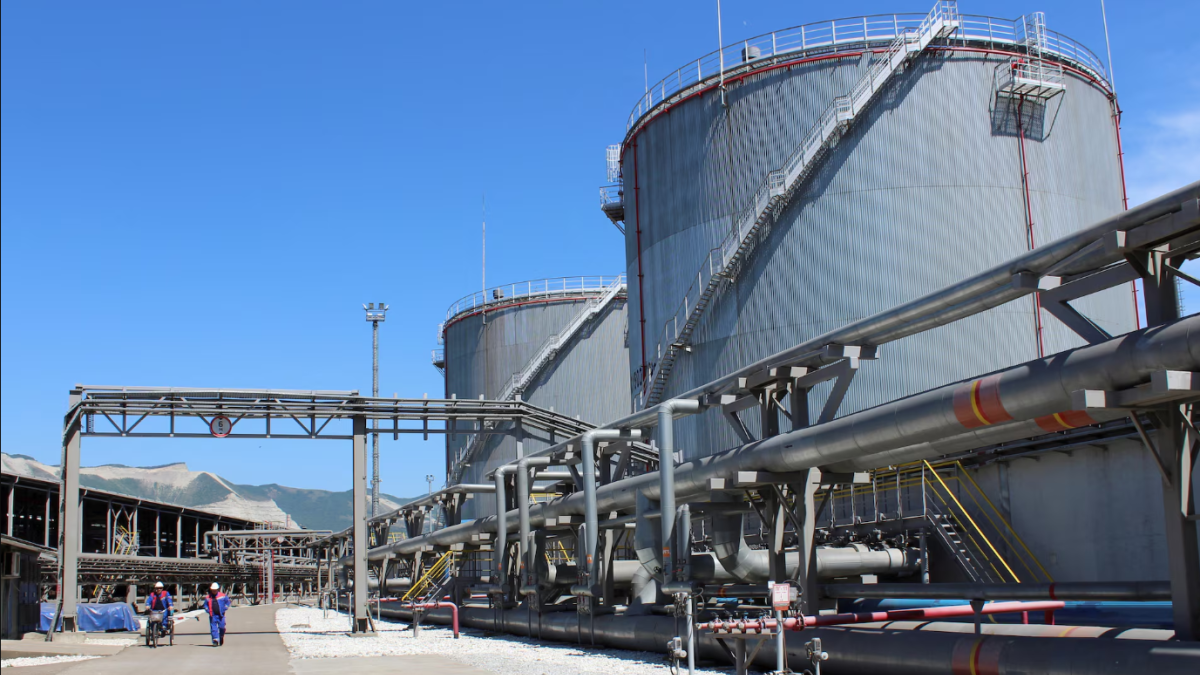
The disruption centres on the Caspian Pipeline Consortium (CPC) terminal near Novorossiysk on Russia’s Black Sea coast. The terminal is the main route for Kazakh oil exports to global markets and accounts for nearly 80% of the country’s overseas shipments.
Meanwhile, between 1 and 12 January this year, Reuters sources say that the country's oil output was down 35% mainly due to export constraints via a Black Sea's terminal.
Traders monitoring cargo flows say the decline reflects a combination of military damage, adverse weather and logistical constraints.
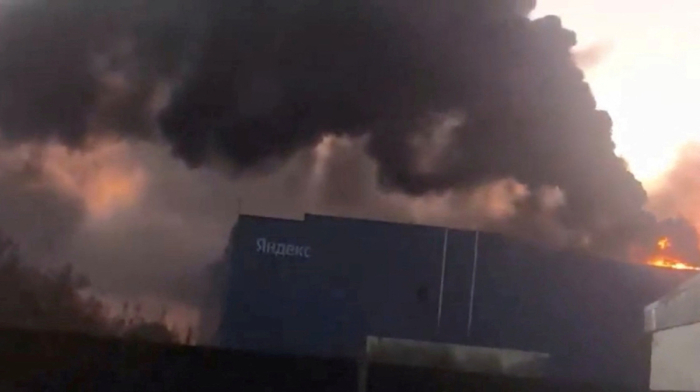
Operations have yet to fully recover from a drone strike in late November that damaged a key mooring point at the terminal.
At the same time, persistent winter storms have delayed the return of a second loading facility from maintenance, forcing the terminal to operate intermittently with a single mooring.
The loading delays have filled onshore storage tanks, leaving pipeline operators with little choice but to halt crude intake until shipments resume.
Meanwhile Kazakhstan energy ministry said on Tuesday (13 January) that oil loadings at the Russian Black Sea terminal used by the Caspian Pipeline Consortium (CPC) are being carried out via the first single point mooring (SPM-1).
Four oil tankers near the terminal were hit by drones on Tuesday, Reuters sources told earlier on Tuesday.
Market impact
Analysts say the disruption poses a more immediate risk to physical oil supply than several other geopolitical flashpoints that have dominated headlines in recent months.
Because Kazakhstan is landlocked and has limited alternative export routes, including rail and pipelines to China, any prolonged outage at Novorossiysk forces producers to cut output.
“Continued disruption to the CPC terminal has helped sustain bullish prompt Brent timespread flows,” Energy Aspects analysts Christian Scott-Mcwall, Craig Marsh and Nick Stadtmiller said in a note to clients.
The tightening supply has already reshaped price structures. CPC Blend, a light, sweet crude favoured by European refiners, has traded at a premium to dated Brent for the first time in more than a year, with recent deals reaching up to $1.20 a barrel.
The spread between Brent and Dubai crude prices also widened to $1.55 a barrel on Monday, its largest level since July, signalling stronger demand for European-grade barrels relative to Middle Eastern supplies.
Production risks for Kazakhstan
The disruption poses a significant economic risk for Kazakhstan, which produced about 1.8 million barrels a day in 2025. Its export capacity outside the CPC system is estimated at roughly half that level.
With storage facilities close to capacity, producers may be forced to shut in wells to prevent overflows. Traders say at least 21 of the 45 cargoes originally scheduled for loading this month have been cancelled, removing millions of barrels from the market.
While around 90% of CPC volumes originate in Kazakhstan, the pipeline also carries smaller quantities of Russian crude. Those flows had already declined following separate drone attacks on Russian oil infrastructure in the Caspian Sea earlier this year.
As repair crews work amid harsh winter conditions, traders remain on alert. Any prolonged disruption at the CPC terminal could add further pressure to fuel prices in Europe, where energy security remains fragile.



















What is your opinion on this topic?
Leave the first comment