Kazakhstan has confirmed that two oil tankers linked to the transport of its crude were attacked in the Black Sea, underscoring the growing security risks surrounding the country’s primary export corridor.
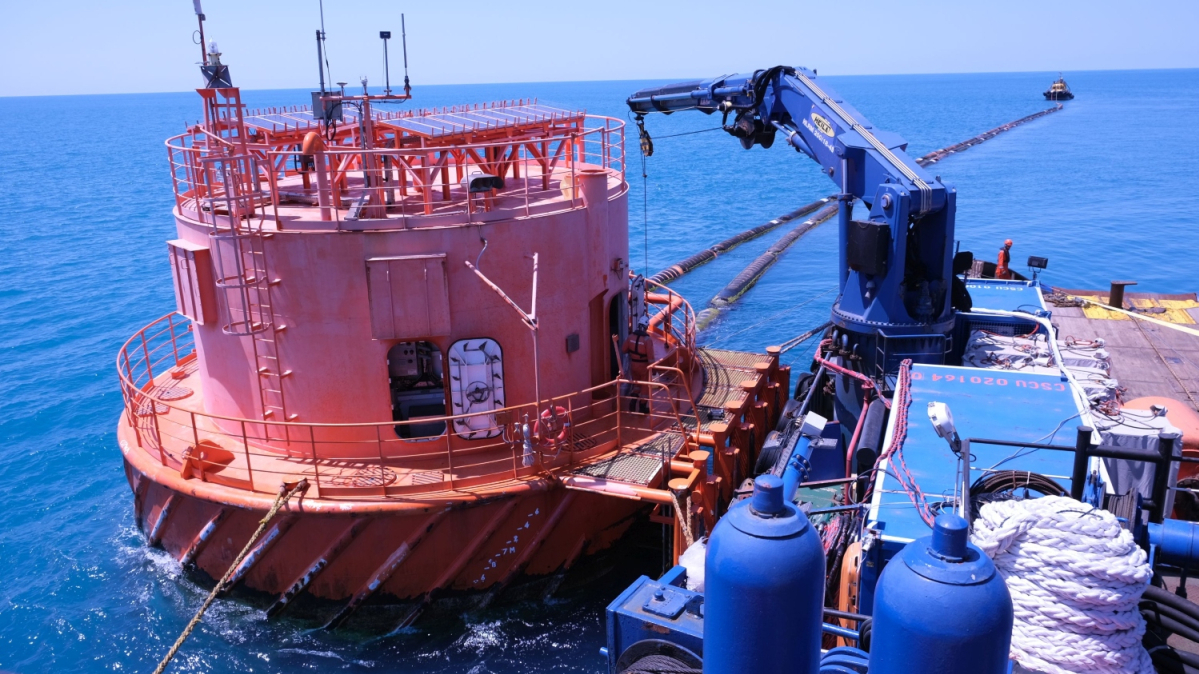
According to the Ministry of Energy, the incidents took place on 13 January 2026 near the offshore terminal of the Caspian Pipeline Consortium, a strategic hub through which the bulk of Kazakh oil reaches international markets.
One of the vessels, the Malta-flagged tanker Matilda, chartered by a subsidiary of the national oil company KazMunayGas, was hit by a drone.
Officials reported an explosion on board without subsequent fire, stressing that no crew members were injured and that preliminary inspections found no critical damage to the hull.
The tanker, the ministry said, remains seaworthy. A second incident involved the Liberian-flagged Delta Harmony, which was waiting to load when it caught fire following an attack. The blaze was quickly extinguished and, again, there were no casualties.
Kazakh authorities have emphasised that neither vessel was carrying crude at the time, meaning that export volumes were not directly affected by the attacks themselves.
Yet the incidents have added to a series of disruptions that have already placed severe strain on the Caspian Pipeline Consortium’s operations.
At present, Kazakhstan is shipping oil through only one offshore loading point in Novorossiysk, compared with several operating at full capacity until late 2025.
The ministry has linked the reduction to a combination of technical and security factors, including strikes on CPC infrastructure on Russian territory.
While officials have refrained from providing precise figures on the impact, data from international agencies point to a sharp deterioration.
Reuters reports that production at Kazakhstan’s largest fields has fallen by between 44% and 60%, while Bloomberg estimates that exports via the CPC have dropped by around 45%.
According to Bloomberg, shipments in January fell to roughly 800000 to 900000 barrels per day, well below expectations set only weeks earlier.
Traders reportedly cancelled nearly half of planned loadings as storage filled up and parts of the pipeline network were temporarily forced to halt intake.
In response, Astana has sought to reroute some volumes through alternative channels, increasing flows towards Samara and boosting exports to China.
These routes, however, lack the capacity to offset losses through the CPC, which normally carries about 80% of Kazakhstan’s oil exports. As a result, the country’s energy sector remains heavily exposed to disruptions along a single, increasingly vulnerable corridor.















What is your opinion on this topic?
Leave the first comment