Afghanistan and Türkiye explore tourism partnership to boost heritage travel
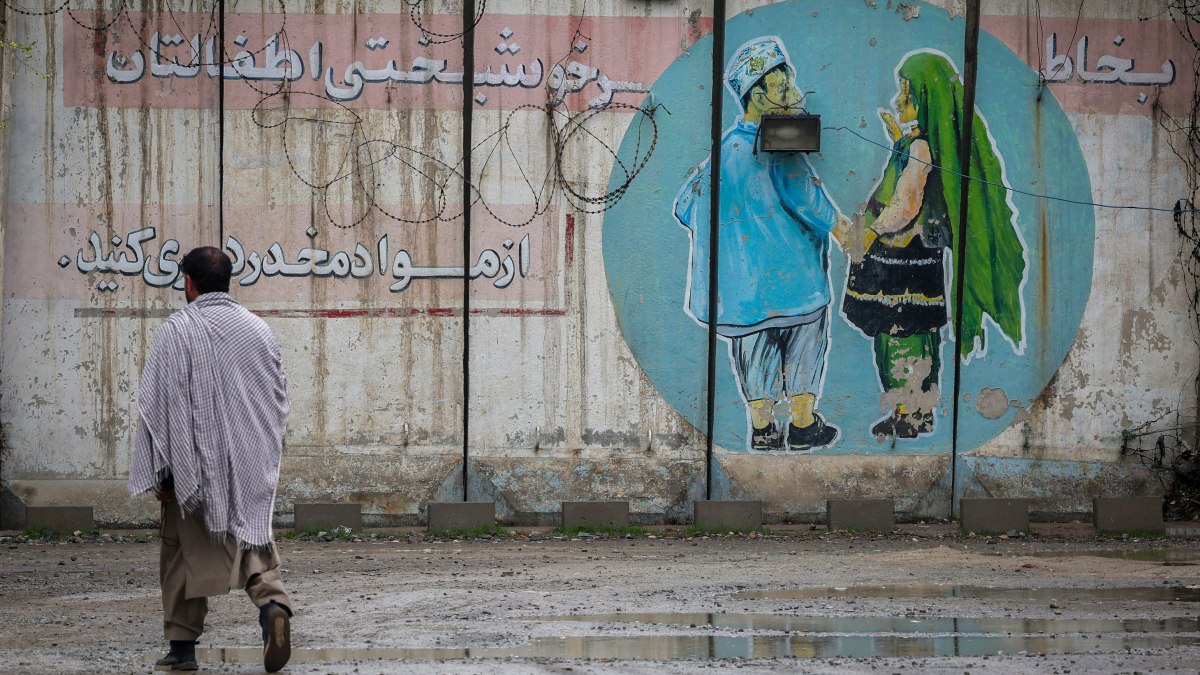
Afghanistan and Türkiye are considering a tourism agreement to promote historic and religious sites, ease travel and train tourism workers, Afghan au...
As Afghans celebrate Eid, there is at least some relief, with Afghanistan and Pakistan pausing military operations following mediation by Saudi Arabia, Qatar and Türkiye after weeks of tension.
The pause comes after more than a month of cross-border strain, with both sides trading accusations over alleged militant activity along their shared border.
Afghanistan’s government spokesman, Zabihullah Mujahid, said the decision was taken both in observance of Eid al-Fitr and in response to requests from regional mediators. He confirmed that Afghan forces would halt operations, stating: “The Afghan security and defence forces will temporarily suspend the Rad ul-Zulm defensive operations… in response to requests from the Kingdom of Saudi Arabia, the State of Qatar, and the Republic of Türkiye.”
He also stressed Kabul’s position on security, adding that “safeguarding the country’s national security, sovereignty, and the lives of its people” remains a priority, and warning that “in the event of any threat, the Islamic Emirate will respond decisively.”
Pakistan announced a similar pause. Information Minister Attaullah Tarar said the move was both voluntary and coordinated with regional partners.
He said: “The Government of the Islamic Republic of Pakistan has decided to announce a temporary pause amidst ongoing ‘Operation Ghazab-lil-Haq’,” adding that the suspension will run until midnight on 24 March 2026.
Tarar described the move as a gesture “in good faith and in keeping with Islamic norms”, but warned that any “cross-border attack, drone attack or any terrorist incident inside Pakistan” would see operations resume “with renewed intensity.”
The development marks a significant, though temporary, de-escalation. Islamabad has repeatedly alleged that Kabul shelters militants - a claim Afghan authorities deny.
For now, the pause offers civilians on both sides a brief respite during Eid, though underlying tensions remain unresolved.

The 4th Shusha Global Media Forum will bring together nearly 160 media leaders, experts and officials from 54 countries in Azerbaijan's historic city of Shusha on 13-14 July, to discuss journalism’s role in peacebuilding, restoring public trust and tackling challenges.
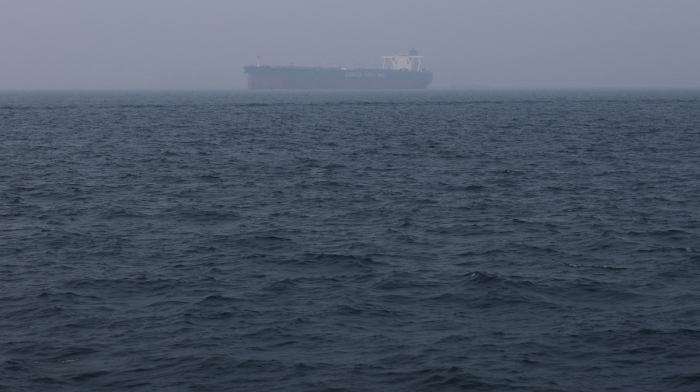
The United States carried out a third consecutive night of airstrikes against Iran, targeting military capabilities around the Strait of Hormuz as Donald Trump announced the reinstatement of a blockade on Iranian shipping and proposed a 20% fee on cargo passing through the strategic waterway.
President Ilham Aliyev is holding his annual question-and-answer session with international journalists at the 4th Shusha Global Media Forum in Azerbaijan.
The United States and Iran have significantly escalated their conflict, exchanging heavy missile and drone strikes across the Gulf region. Iran claims it has once again closed the Strait of Hormuz, a vital global shipping route.
Start your day informed with AnewZ Morning Brief. Here are the top news stories for the 13th of July, covering the latest developments you need to know.
Afghanistan and Türkiye are considering a tourism agreement to promote historic and religious sites, ease travel and train tourism workers, Afghan authorities said after talks in Kabul on Monday.
Pakistan has allowed a United Nations World Food Programme (WFP) aid convoy to enter Afghanistan through the Torkham border crossing, granting a rare humanitarian exemption despite months of restrictions on cross-border movement amid heightened security tensions with Afghanistan.
Climate change could leave Kazakhstan facing severe water shortages, longer heatwaves and mounting economic losses within decades, as rising temperatures and shrinking glaciers reshape water security across Central Asia, scientists warn.
Kyrgyzstan's government has banned the sale of gasoline and diesel fuel indefinitely. The Central Asian country imports more than 90 per cent of its fuel from Russia, which has faced supply issues due to Ukrainian attacks on oil refineries.
Afghan authorities in Kabul and Herat have sought wider investment, trade and environmental cooperation with Uzbekistan, Russia, Kazakhstan, Iran and an international aid organisation.
You can download the AnewZ application from Play Store and the App Store.
What is your opinion on this topic?
Leave the first comment