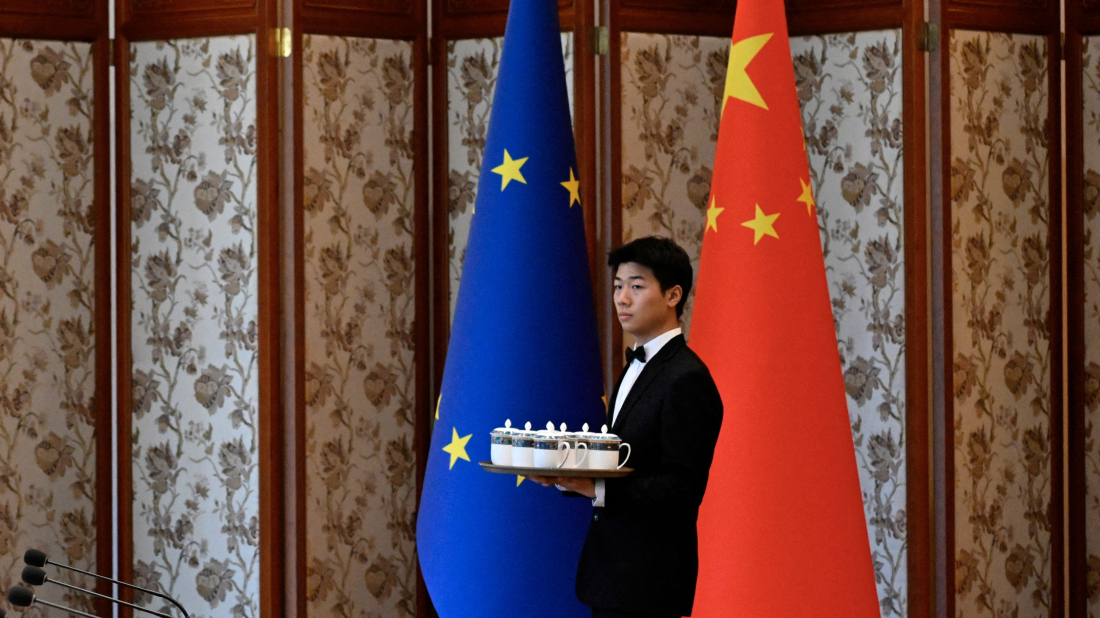
China’s military is preparing to hold talks with European Union and NATO officials in Brussels, as the ongoing conflict involving Iran begins to reshape the global security landscape and draw wider international attention.
Global impact
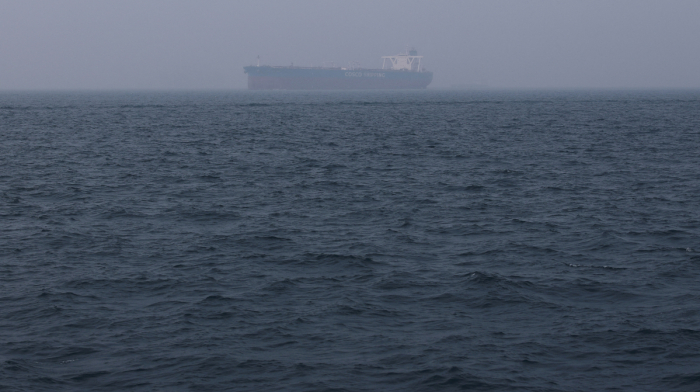
The planned discussions come at a time when the war is no longer seen as a contained regional issue. Its effects are being felt far beyond the Middle East, from rising energy prices to concerns over disrupted shipping routes and growing instability across key regions. For many countries, the conflict has become a test of how quickly local crises can evolve into global challenges.
European governments are facing a delicate balancing act. While many are aligned with the U.S. through NATO, there has been clear hesitation across Europe about becoming directly involved in the conflict. Leaders in countries such as France and Germany have instead emphasised diplomacy, warning that further military escalation could worsen an already volatile situation.
China acts as a stabiliser
It is in this context that China’s outreach is taking shape. Although Beijing is not part of NATO and has often criticised Western military alliances, it has increasingly sought to position itself as a stabiliser, calling for dialogue and political solutions to conflicts. The upcoming talks are expected to focus on crisis management, regional stability, and ways to prevent further escalation.
The war has also highlighted how closely connected today’s security challenges have become. Issues involving the Middle East, Europe, and Asia are no longer separate; instead, they are increasingly linked through global trade, energy supply chains, and political alliances. This has prompted greater coordination, even among countries that often disagree.
China’s involvement adds another layer of complexity. Beijing maintains close ties with Iran, particularly in trade and energy, while also expanding its diplomatic and economic presence in Europe. By engaging with both sides, China is attempting to balance its strategic relationships while presenting itself as a country willing to play a constructive role.
At the same time, divisions within the Western alliance have become more visible. The U.S., under President Donald Trump, has pushed for stronger support from allies, while some European countries have shown reluctance to deepen military involvement. These differences have added urgency to discussions about burden-sharing and the future direction of NATO.
Shifting political dynamics
For European officials, talks with China’s military offer an opportunity to better understand Beijing’s position and to explore whether it can help ease tensions. For China, the dialogue represents a chance to expand its role in global security discussions and strengthen its ties with European institutions.
While no major agreements are expected, the talks themselves reflect a shift in international relations dynamics. As the conflict involving Iran continues, its ripple effects are forcing countries from different regions to engage more directly with one another.
In that sense, the upcoming discussions are less about immediate outcomes and more about managing an increasingly interconnected world—one in which crises in one region can quickly reshape the global security landscape.










What is your opinion on this topic?
Leave the first comment