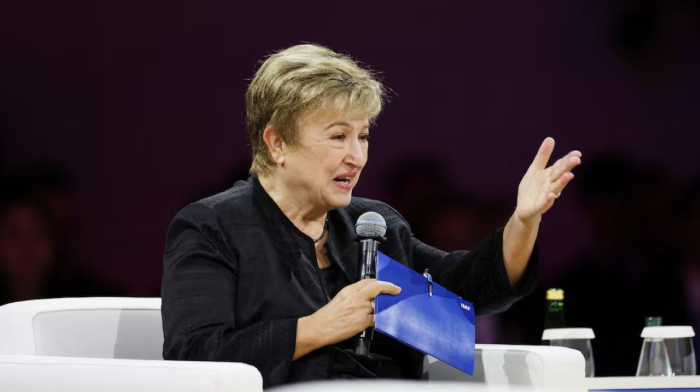
Armenia eyes environmental cooperation with neighbouring countries
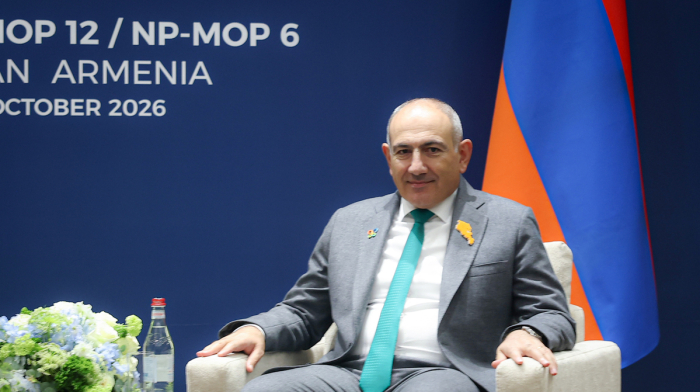
Armenia is looking to turn shared environmental challenges into opportunities for regional cooperation, with Prime Minister Nikol Pashinyan highlig...
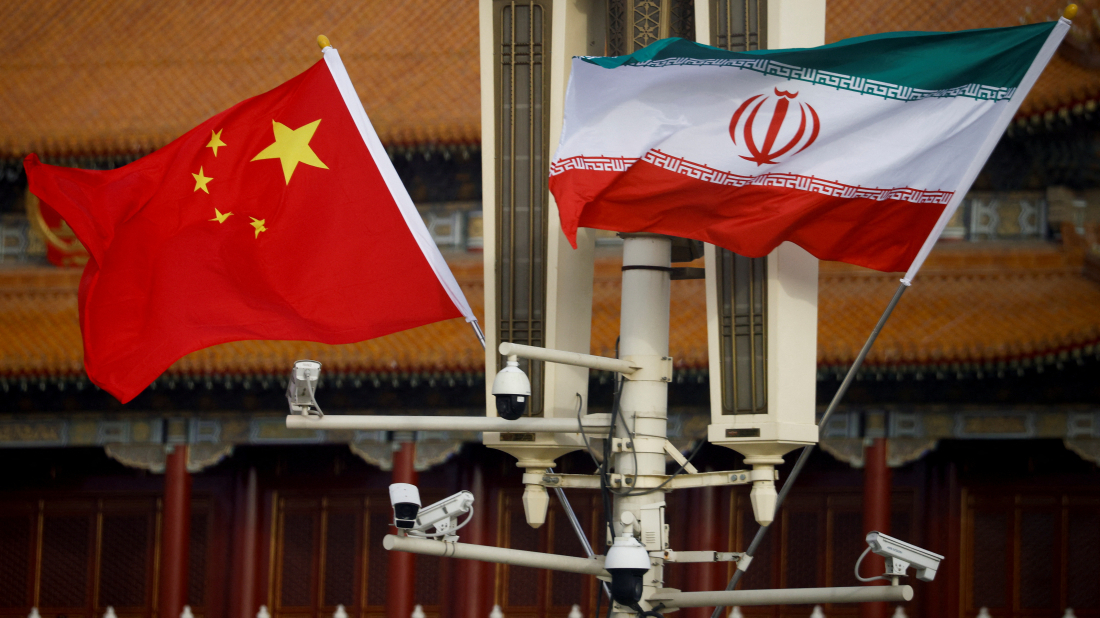
Iran informed China on Wednesday about ongoing nuclear negotiations with the US, expressing a commitment to diplomacy despite past setbacks and urging stronger bilateral cooperation under their 25-year strategic agreement.
Iranian Foreign Minister Abbas Araghchi met with China's First Vice Premier Ding Xuexiang in Beijing on Wednesday to discuss the ongoing indirect negotiations between Tehran and Washington regarding Iran’s nuclear programme. The talks come ahead of a third round of discussions between Araghchi and US envoy Steve Witkoff, scheduled for Saturday.
According to Iranian media outlet Mehr, Araghchi emphasised that Iran remains committed to resolving issues through diplomacy “with goodwill and seriousness,” despite having faced setbacks in previous negotiations. He called for the acceleration of the 25-year strategic cooperation agreement signed between Iran and China, highlighting its importance in strengthening bilateral ties.
Araghchi also stressed the necessity of greater collaboration among like-minded nations to resist what he described as “unilateralism and global bullying.” He reaffirmed Iran’s commitment to boosting relations with Beijing and supporting multilateralism.
The Iranian official further relayed Tehran’s position on the situation in the occupied Palestinian territories, describing Israeli actions as genocide. He also criticised ongoing US strikes in Yemen and called for an urgent international response to prevent what he termed “the law of the jungle” from prevailing in international affairs.
China’s First Vice Premier Ding echoed the call for strengthened cooperation. As reported by state-run Xinhua News, he said China is prepared to work with Iran to enhance strategic coordination, promote high-level diplomatic engagement, and implement the goals outlined by both countries' leaders.
Ding underscored Beijing’s intent to maintain political trust and foster sustainable development in the two nations' comprehensive strategic partnership.

The Saudi-led coalition said early Thursday that it intercepted and destroyed a drone over Saudi Arabia’s Eastern Province.
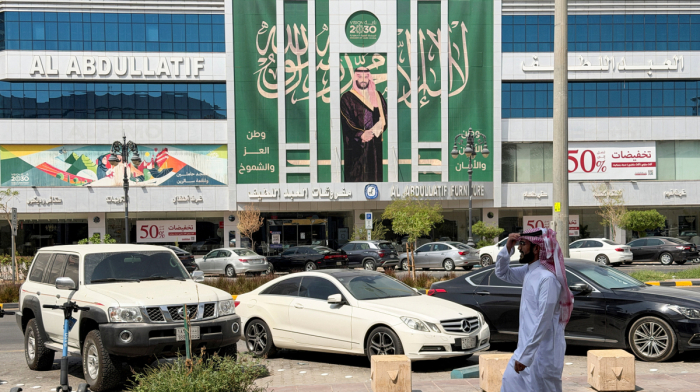
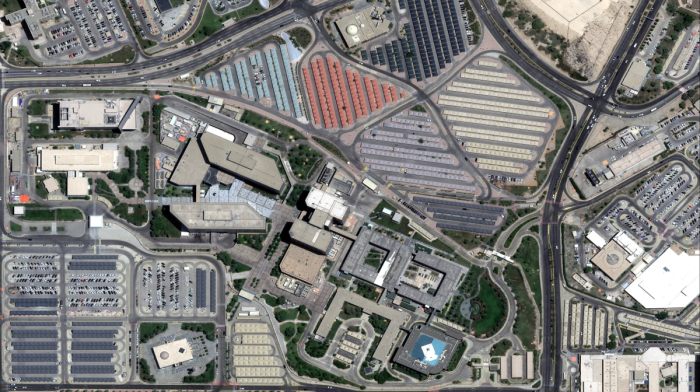
Yemen’s Houthis have claimed responsibility for the recent drone and missile strikes on Saudi Aramco facilities in Dhahran and Riyadh and at King Khalid International Airport in Saudi Arabia, vowing to carry out more attacks in the coming days.
The U.S. has banned government employees working in Saudi Arabia from using airports in the country without special authorisation. It comes after a deadly Houthi strike on Riyadh's King Khalid International Airport killed at least 13 people last week.
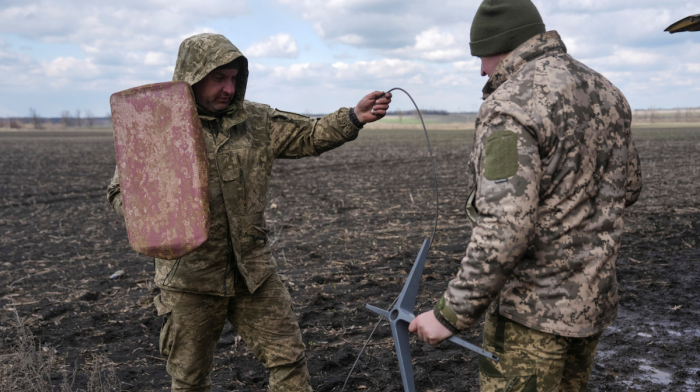
Ukraine's soldiers have had their access to Starlink satellite internet restricted. Kyiv's troops use the terminals, made by Elon Musk's SpaceX, to pilot drones. A source in Ukraine's Defence Ministry said the restrictions would make it harder for Kyiv's army to down Russian drones.
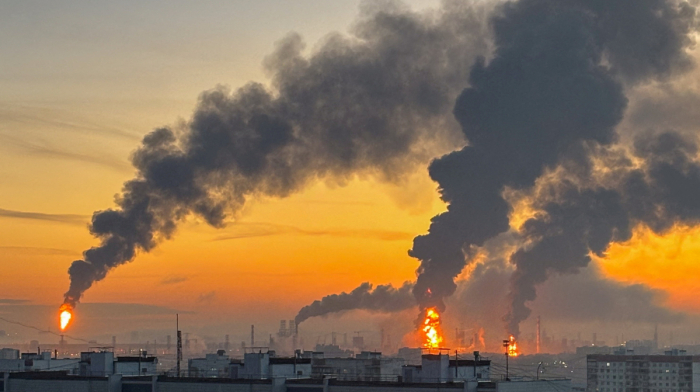
Ukraine is set to restart attacks on Russian oil refineries following a two-day pause, President Volodymyr Zelenskyy said, amid growing tensions with Washington over energy strikes and U.S. military support.
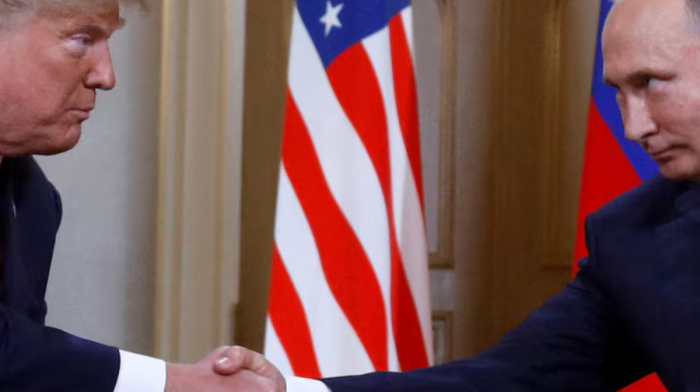
U.S. President Donald Trump has lifted sanctions on Russian diesel exports and announced a Russia-Ukraine energy ceasefire aimed at easing fuel prices ahead of November’s midterm elections. But can Moscow deliver and will the move will bring meaningful relief to markets?
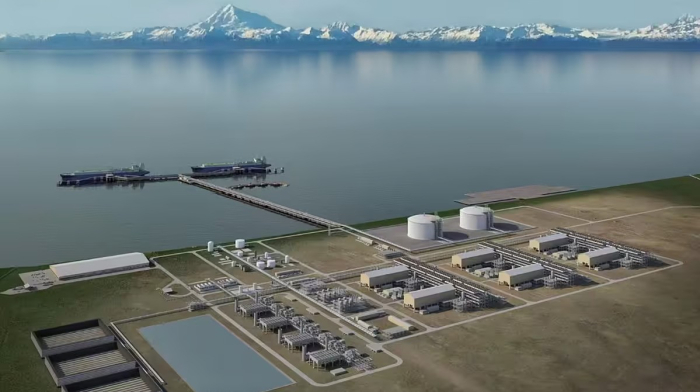
Taiwan plans to buy 30 per cent of Alaska LNG's annual output and invest up to $4.4 billion in the project, but binding contracts and financing remain unresolved as the U.S. pushes to expand energy exports to Asia.
Asian stocks plunged to their lowest level in more than two months on Tuesday as advances by Chinese chipmakers rattled investor confidence in the artificial intelligence boom, despite soaring global semiconductor sales.
Artificial intelligence investment is helping sustain global growth at around 3 per cent, with Asia poised to reap major benefits. But soaring energy costs, unequal investment and growing pressure on young workers threaten to leave some economies behind.
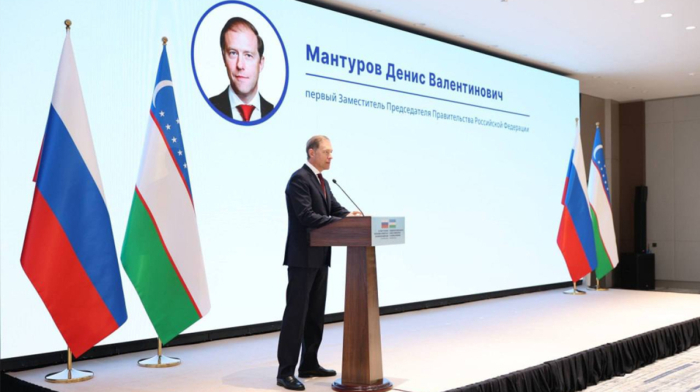
Uzbekistan and Russia have a portfolio of more than 200 joint projects worth almost $6 billion, as the two countries continue to expand regional and business ties. The projects were discussed during the third meeting of the Council of Regions of Russia and Uzbekistan, held in Fergana, Uzbekistan.
You can download the AnewZ application from Play Store and the App Store.
What is your opinion on this topic?
Leave the first comment