Singapore isolates cruise passengers linked to deadly hantavirus outbreak
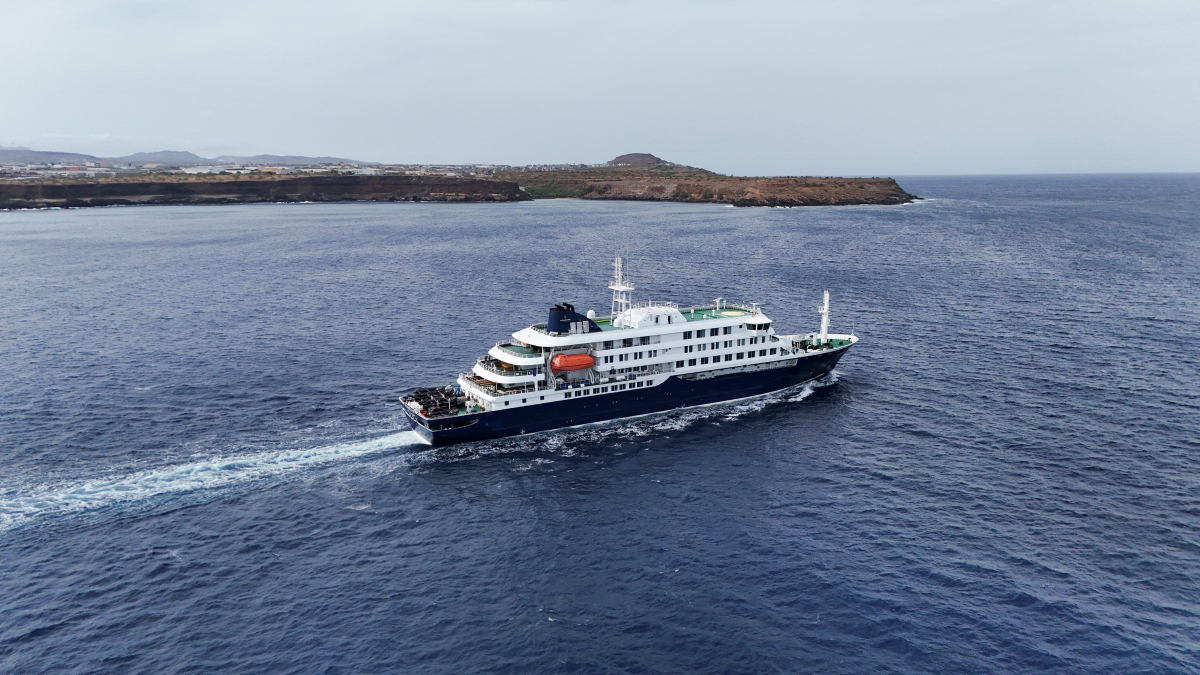
A drone view of the cruise ship MV Hondius, carrying passengers suspected of having cases of hantavirus on board, leaves Praia, Cape Verde, 6 May, 2026.
Singapore has isolated and is testing two of its residents who travelled aboard a cruise ship linked to a deadly hantavirus outbreak, the Communicable Diseases Agency (CDA) said on Thursday.
The two men, aged 67 and 65, were aboard the ship when it departed from the Argentine port of Ushuaia on 1 April 2026. One arrived in Singapore on 2 May and the other on 6 May.
According to Singapore’s Communicable Diseases Agency (CDA), one of the men has a runny nose but is otherwise well, while the second remains asymptomatic.
“The risk to the general public in Singapore is currently low,” the agency said.
Quarantine and monitoring measures
The two passengers are currently being tested for hantavirus at the National Centre for Infectious Diseases (NCID) in Singapore.
If they test negative, they will undergo a 30-day quarantine period from the date of last exposure, followed by additional testing before release and phone surveillance for the remainder of the 45-day maximum incubation period.
If either tests positive, they will remain in hospital for treatment and monitoring.
Track and trace
Countries worldwide are tracing passengers from the virus-hit cruise ship MV Hondius to prevent further spread of hantavirus after an outbreak linked to the vessel left three people dead and several others infected.
A Dutch couple and a German national have died in the outbreak, while eight cases have so far been linked to the cluster. Three of those cases were confirmed as hantavirus infections, while the remaining cases are still under investigation.
Hantavirus is typically spread through contact with infected rodents, including exposure to their urine, droppings or saliva. Although person-to-person transmission is rare, the Andes virus strain found in parts of South America has previously been associated with human transmission.
As of 6 May 2026, the World Health Organization (WHO) assessed the global public health risk from the outbreak as low.
However, WHO said the exact mode of transmission linked to the MV Hondius outbreak remains under investigation and human-to-human transmission cannot yet be ruled out.
The agency advised all passengers who travelled on the ship to monitor their health closely and seek immediate medical attention if symptoms develop.
Symptoms and prevention advice
Symptoms of Andes hantavirus infection can include fever, body aches, fatigue, gastrointestinal problems and breathing difficulties. Severe cases may rapidly progress to shock and death.
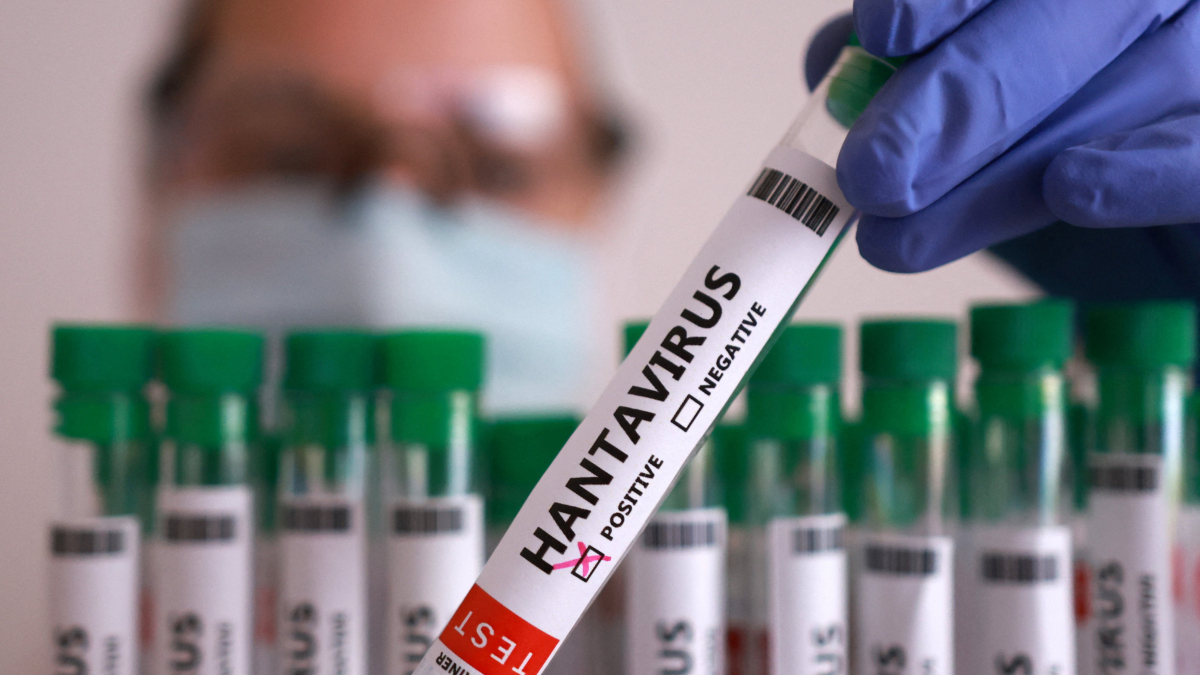
A test tube labelled "Hantavirus positive" is held in this illustration taken 7 May, 2026.
Reuters
There is currently no specific antiviral treatment or vaccine, with care focused on supportive hospital treatment.
Health authorities advised travellers visiting areas with known hantavirus transmission to avoid contact with rodents and contaminated environments, maintain good hygiene and store food safely.
What started out as planned protests against the cost of living, declining public services and education funding in France, quickly devolved into violent riots across the country on Saturday.
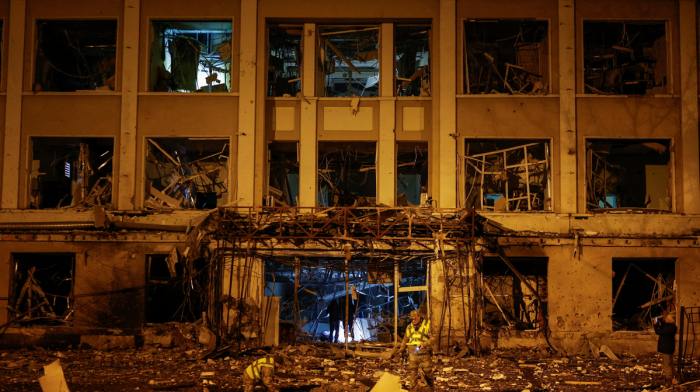
U.S. President Donald Trump has criticised Ukrainian President Volodymyr Zelenskyy for continuing to target Russia's energy infrastructure, while Russian strikes on Kyiv overnight killed at least one person and damaged a metro station.
The day after waiving sanctions and tariffs related to Russian exports, U.S. President Donald Trump said on Saturday he has yet to announce a final decision on the matter as Secretary of State Marco Rubio said officials want more time to evaluate the situation.
A Saudi AH-6i helicopter crashed in the Najran region of Saudi Arabia due to a technical malfunction, killing its two crew members, the Saudi-led coalition's spokesman Brigadier General Turki al-Maliki said in a statement on Sunday.
An oil tanker caught fire after striking a naval mine in the southern part of the Strait of Hormuz, Iran’s Islamic Revolutionary Guard Corps (IRGC) Navy said late Sunday.
Visitors to Armenia could face temperature screening after a lab worker died from suspected Pneumonic plague in Russia, Yerevan’s Health Minister Anahit Avanesyan told lawmakers on Wednesday, Armenian state news agency Armenpress reported.
Health advice now reaches people through social media, fitness apps, wearable technology and AI. From detoxes and protein-focused diets to skincare and fitness trends, online wellness content is shaping everyday health choices while raising concerns about misinformation and potential risks.
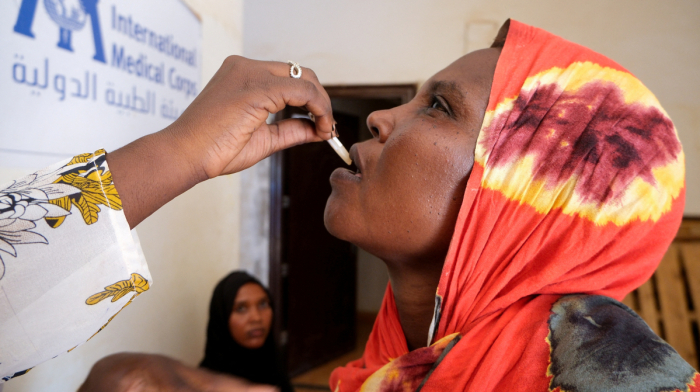
Global cholera deaths reached their highest annual level in more than 20 years in 2025, despite a decline in reported cases, according to the World Health Organization (WHO).
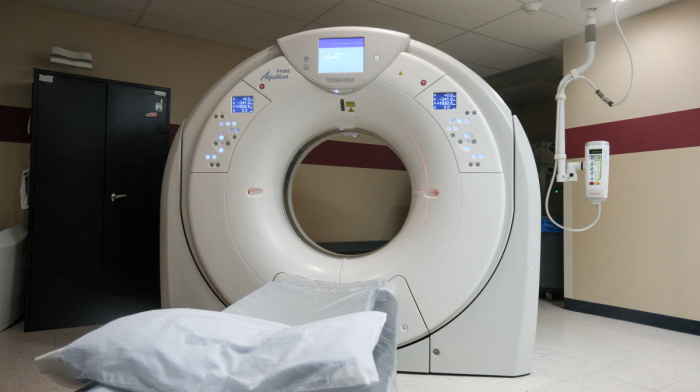
Chinese researchers have developed the world’s smallest CT scanner, a portable device designed to produce images of tiny fossils and archaeological relics.


















What is your opinion on this topic?
Leave the first comment