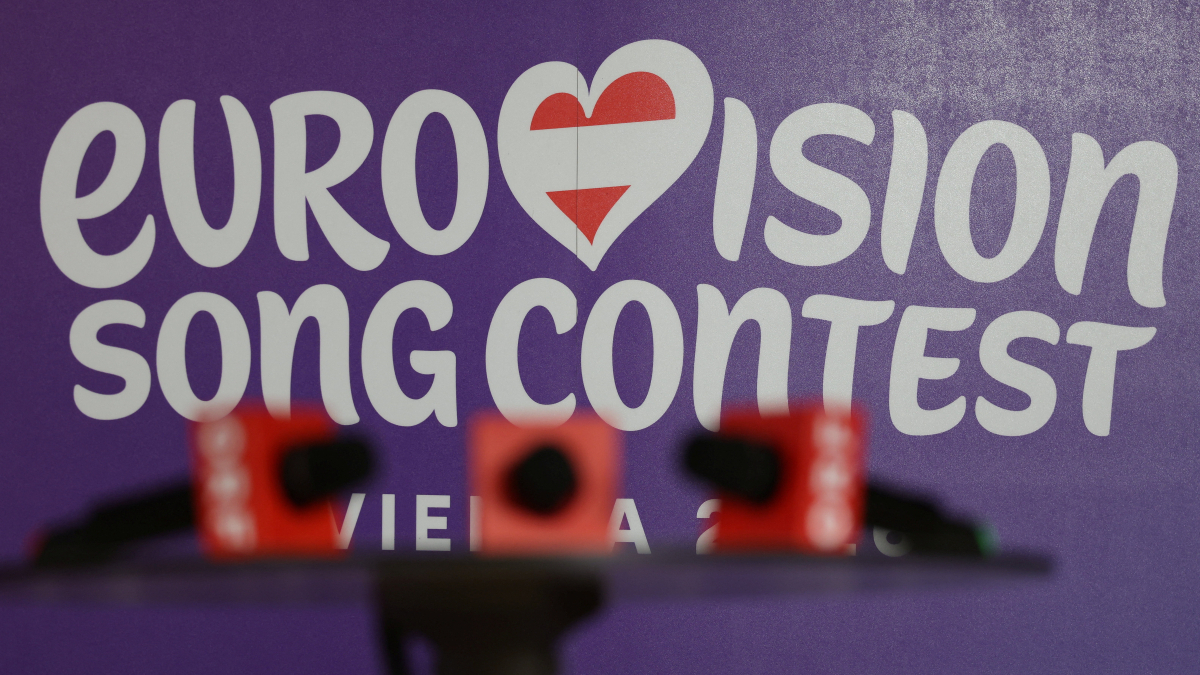
The European Broadcasting Union and global entertainment company Voxovation have announced that the first-ever Eurovision Song Contest Asia will take place in 2026, with Bangkok selected to host the inaugural edition.
The competition, marking the first multinational expansion of the Eurovision format beyond Europe, will bring together broadcasters from at least 10 Asian countries, with more expected to join in the coming months.
The Grand Final is scheduled for 14 November 2026.
Regional line-up and format
Participating countries confirmed so far include South Korea, Thailand, the Philippines, Vietnam, Malaysia, Cambodia and Laos, alongside Bangladesh, Nepal and Bhutan.
Each broadcaster will select its entry through national finals in the lead-up to the event.
The contest will feature original music performances, mirroring the format of the long-running Eurovision Song Contest, which is celebrating its 70th anniversary.
Organisers say the Asian edition is designed to reflect the region’s cultural diversity while maintaining the competition’s core ethos of “United by Music”.
Expanding Eurovision’s global reach
Officials described the launch as a major step in extending Eurovision’s global footprint.
Martin Green, director of the Eurovision Song Contest at the EBU, said the move opens “a new chapter” shaped by Asia’s creativity and identity, while staying true to the contest’s original spirit.
Peter Settman, chief executive of Voxovation, said the aim is to build a show that “truly reflects Asia’s identity and creative energy”, adding that the format will emphasise audience engagement and cross-border connection.
Bangkok in the spotlight
Organisers say hosting the event is expected to boost tourism and international visibility for Bangkok, while supporting Thailand’s creative industries. Officials also highlighted the city’s blend of tradition and modern culture as a key factor in its selection.
The contest will also feature a strong digital component, with the social platform ZOOP set to provide interactive tools allowing audiences to engage with artists and participate more directly in the competition.
Eurovision Song Contest Asia is expected to become one of the region’s largest entertainment events, connecting audiences across a market of more than 600 million people.

















What is your opinion on this topic?
Leave the first comment