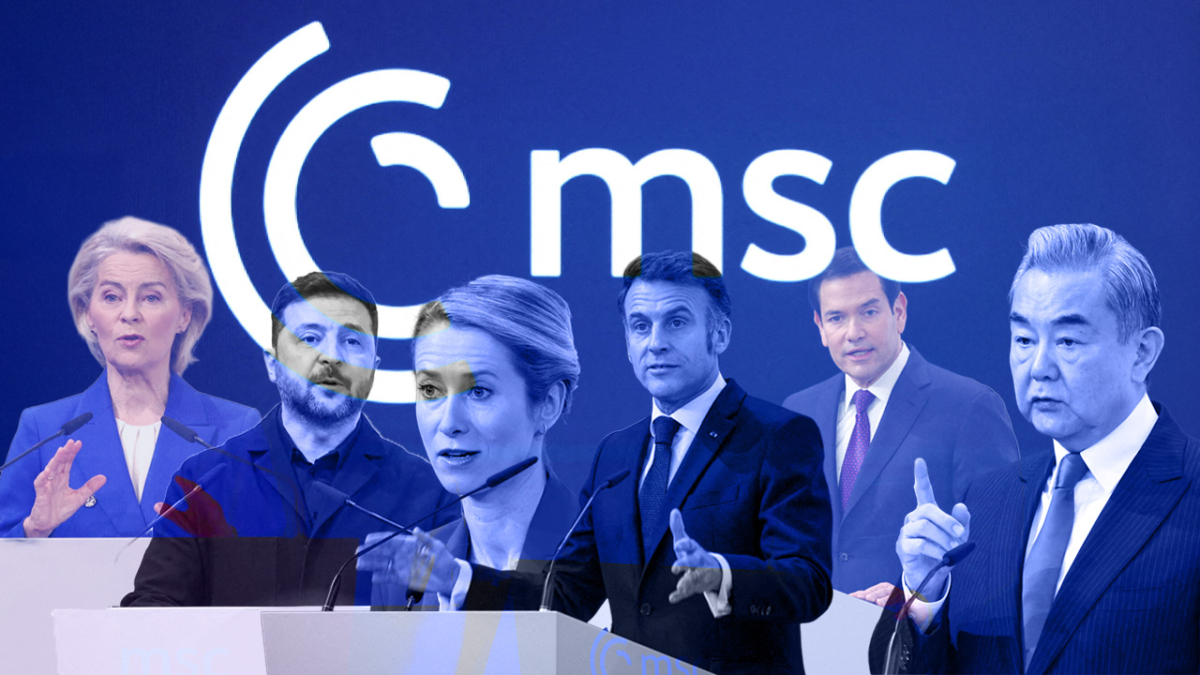
The 2026 Munich Security Conference (MSC) unfolded over three intense days in Munich, confronting a defining question of our era: has the post-Second World War international order collapsed - and if so, what will replace it?
Warnings that the “world order no longer exists”, calls for a European nuclear rethink, and the launch of new geopolitical platforms such as the Board of Peace set the tone for this year’s gathering. Unlike previous editions focused primarily on managing immediate crises, the 2026 conference centred on systemic transformations reshaping global politics.
The annual forum, widely described as a “seismograph for the political situation”, brought together more than 70 heads of state and government, over 140 ministers and senior diplomats from around the world. Discussions focused on the future of transatlantic security, European defence and the emerging multipolar order amid ongoing conflicts in Ukraine, Gaza, Sudan and elsewhere.
The conference theme, “Under Destruction”, reflected concerns about the fragility of the post-war rules-based international order. Delegates debated competing visions of global governance, the evolving role of NATO, and Europe’s pursuit of strategic autonomy in an increasingly uncertain world.
Day 1 – Friday, 13 February: Confronting a Fractured Europe
MSC Chairman Wolfgang Ischinger opened the conference by highlighting the “unprecedented challenges” facing Europe and the wider international community, questioning whether a truly rules-based international order had ever fully existed.
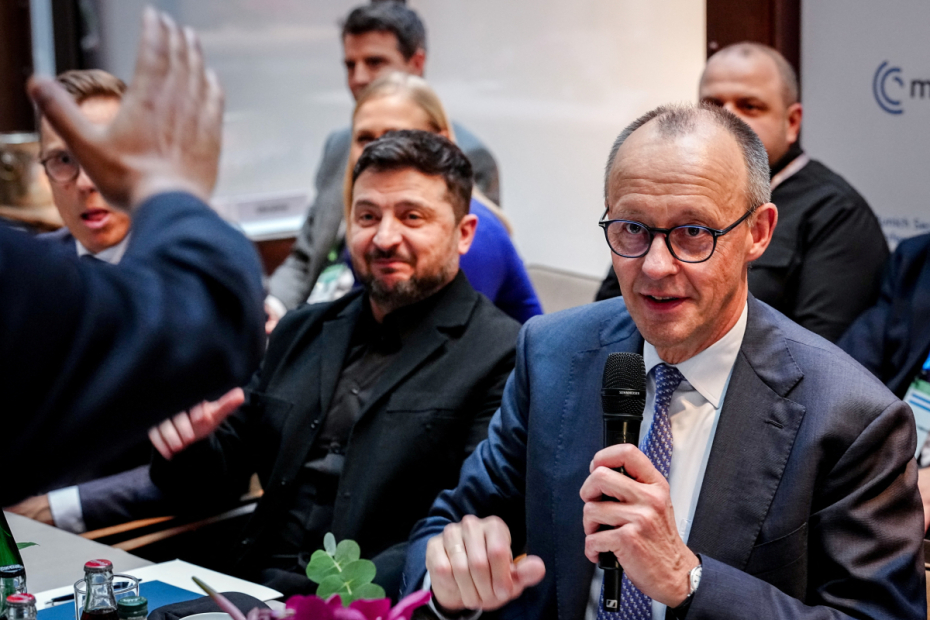
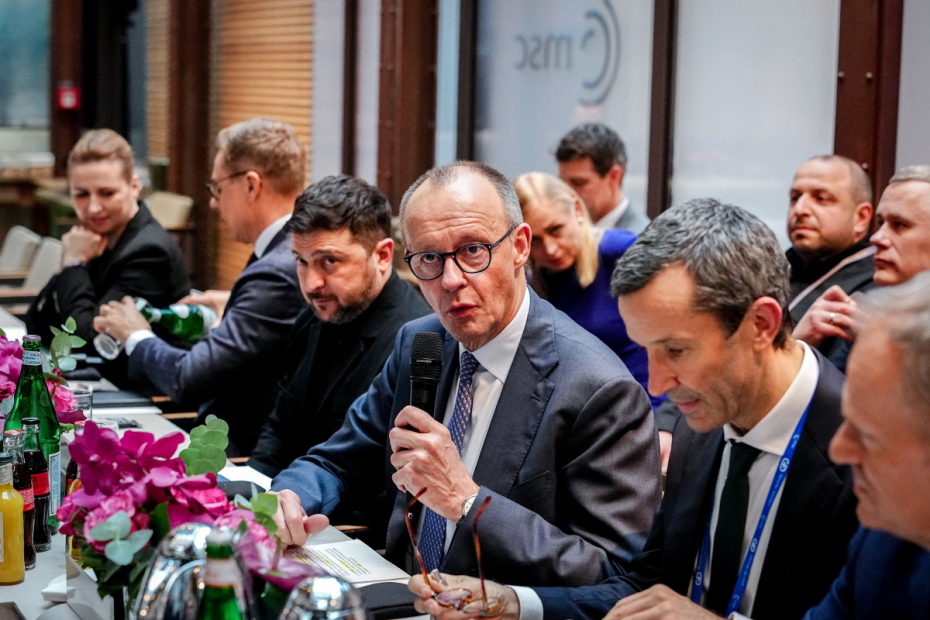
German Chancellor Friedrich Merz delivered the opening keynote, stating bluntly:
“This order, as flawed as it has been even in its heyday, no longer exists.”
Merz warned that Europe had returned from a “vacation from history” and must now confront great-power politics shaped by Russia’s aggression in Ukraine, China’s global ambitions and an increasingly unpredictable United States foreign policy.
He argued that Europe’s economic strength is not matched by its military or technological capabilities, calling for stronger defence coordination and greater strategic clarity.
“The most important thing is to turn the switch in our minds now,” he said, stressing that both excessive and insufficient state power can erode freedom.
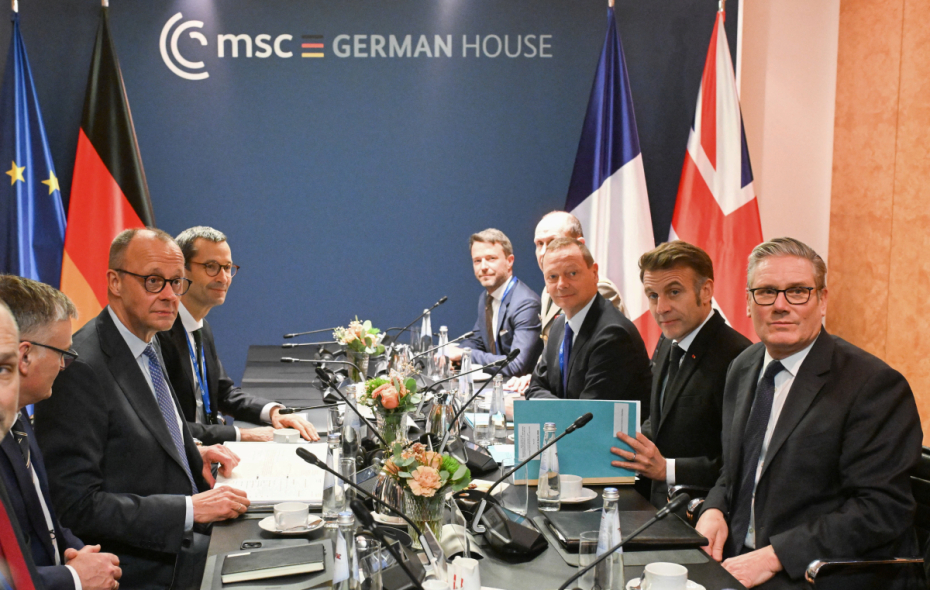
French President Emmanuel Macron echoed these concerns, urging Europe to guarantee its own security. He called for a reassessment of France’s nuclear doctrine within a broader European framework, long-term strategic planning and the development of deep-strike capabilities. Macron confirmed ongoing consultations with Germany, the United Kingdom and other partners.
Ukraine–China Dialogue
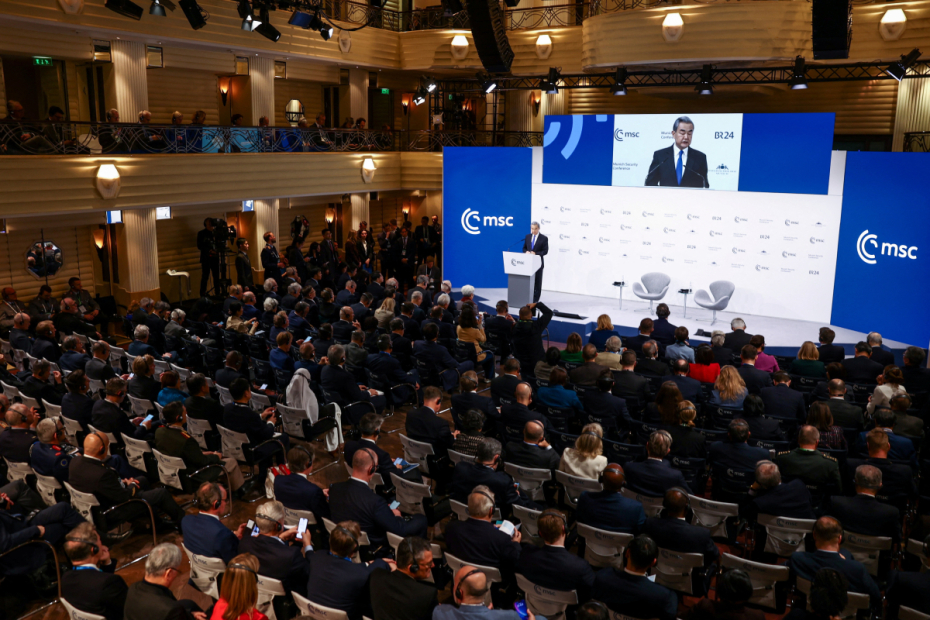
Ukraine’s Foreign Minister Andrii Sybiha announced a planned visit from Chinese Foreign Minister Wang Yi, highlighting China’s potential role in facilitating peace in Ukraine. Wang emphasised Beijing’s readiness to provide humanitarian support and maintain dialogue with Kyiv aimed at achieving an early political resolution to the “Ukraine crisis”.
U.S. Position
U.S. Ambassador to the United Nations Mike Waltz stressed Washington’s commitment to reforming the UN and strengthening global leadership. He rejected claims that global affairs were collapsing, instead emphasising efficiency and accountability within multilateral institutions.
High-level delegations from China, India, Ukraine and the United Kingdom attended the conference. Russia did not participate, while Iranian officials were excluded amid ongoing domestic unrest.
Ukraine House
In a first for the conference, the Victor Pinchuk Foundation, Ukraine’s Presidential Office, and the National Association of Ukrainian Defence Industries opened Ukraine House on 13 February, operating until 14 February.
Curated by Björn Geldhof of the PinchukArtCentre, the exhibition presented Ukraine’s perspective on European security threats and national resilience. Central to the exhibition was Oleksii Sai’s symbolic artwork Change or Die, conveying a message of urgency and forward-looking action to Europe.
Although a side event, Ukraine House added symbolic weight to the conference, underscoring the human, cultural and security dimensions of the war.
Azerbaijani FM highlights regional connectivity and peace at MSC 2026
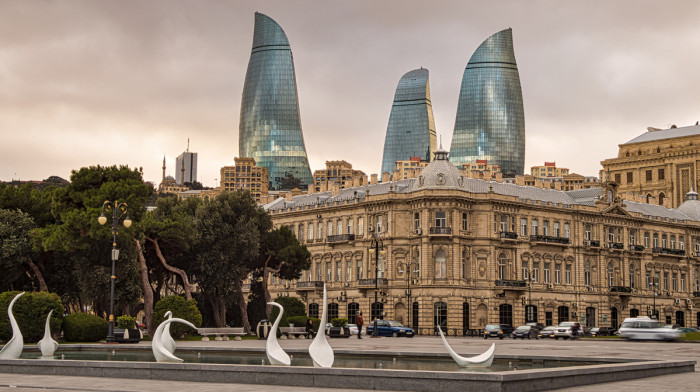
Azerbaijan’s Foreign Minister Ceyhun Bayramov addressed the panel discussion entitled Defining Eurasia’s Strategic Order: The Middle Corridor – A European Security Agenda for Stability, Peace, Security and Connectivity.
He outlined Azerbaijan’s efforts to promote sustainable peace in the South Caucasus, including lifting transit restrictions for Armenia-bound cargo and expanding petroleum exports. Bayramov highlighted major infrastructure projects along the Trans-Caspian International Transport Route and noted the adoption of joint roadmaps with Türkiye, Georgia and Kazakhstan. He also emphasised the role of the TRIPP initiative in strengthening regional trade and connectivity.
Day 2 – Saturday, 14 February: Transatlantic Friction and Strategic Clarity
On the second day, discussions turned to the state of the transatlantic alliance, the evolution of European defence, and the ongoing war in Ukraine. Leaders used their platforms to signal both continuity and recalibration in Western strategic thinking.
Marco Rubio: U.S. commitment with expectations
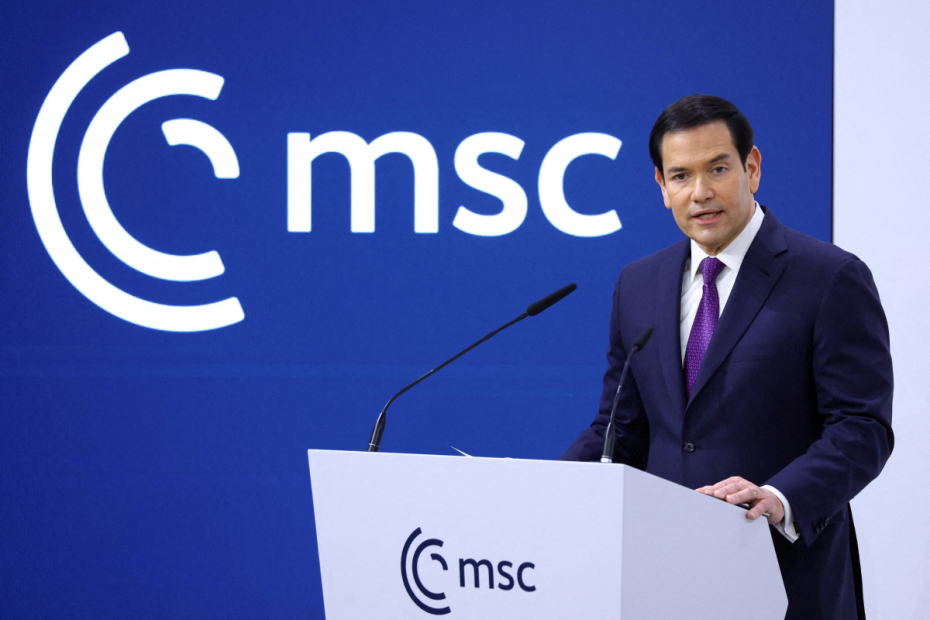
U.S. Secretary of State Marco Rubio reaffirmed Washington’s commitment to NATO while making clear that the United States expects European allies to assume a greater share of security responsibilities.
His remarks underscored a dual message: the US remains engaged, but Europe must accelerate defence investment and strategic autonomy. Rubio described the transatlantic relationship as deeply interconnected, arguing that European security and American interests are inseparable.
Although less combative than rhetoric heard at previous conferences, his speech signalled a firm insistence that Europe cannot rely indefinitely on U.S. military backing.
Kaja Kallas: Europe must stand on its own feet
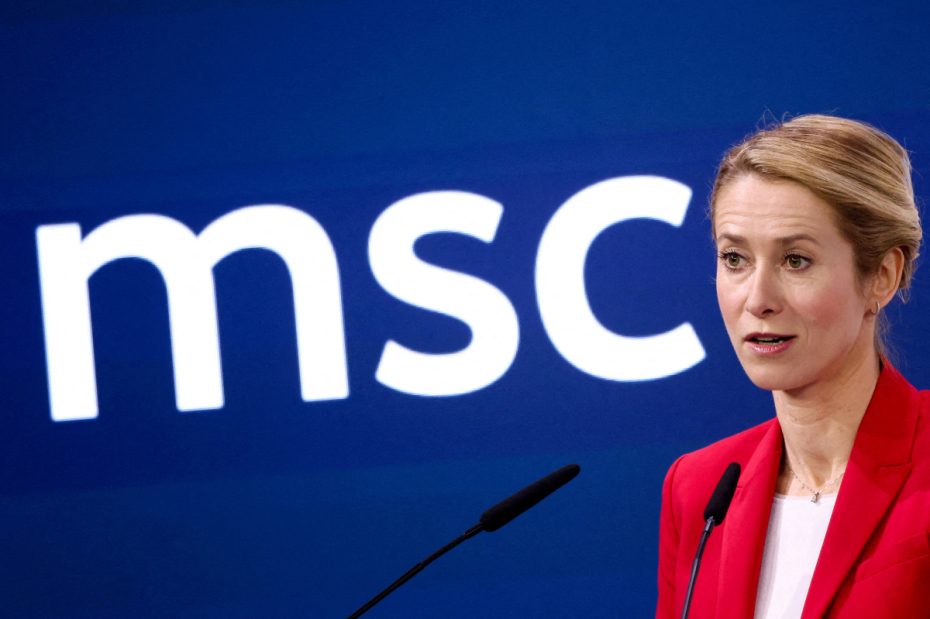
European Union foreign policy chief Kaja Kallas rejected narratives portraying Europe as strategically weak or dependent. She highlighted enhanced defence coordination within the EU, noting progress in collaborative defence initiatives and increased resilience in the face of external threats.
Kallas argued that European security should be framed as a partnership of equals within the transatlantic alliance. She stressed that European capabilities must complement - not duplicate - NATO’s mission.
Volodymyr Zelenskyy: Inclusive peace talks and integration goals
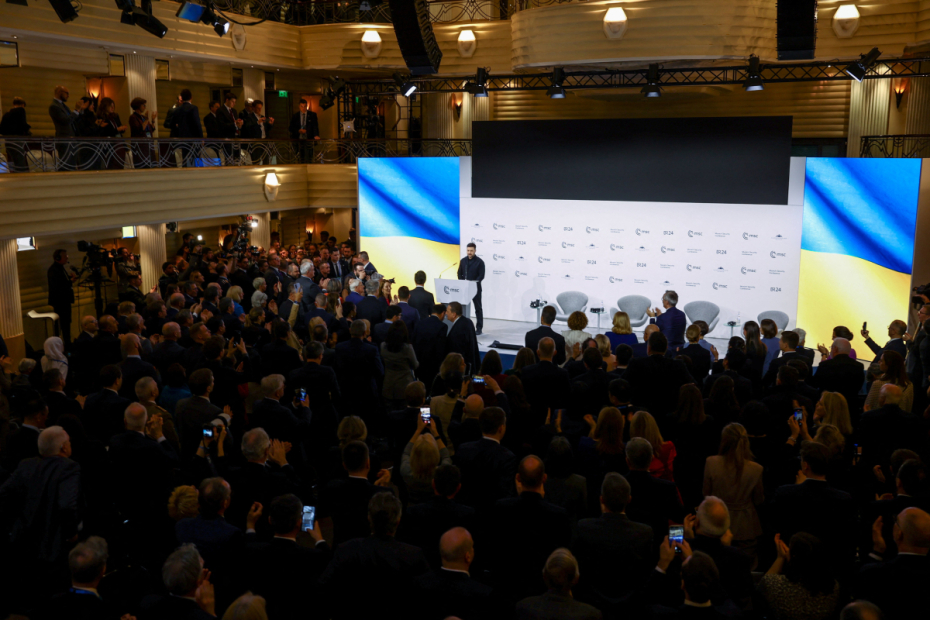
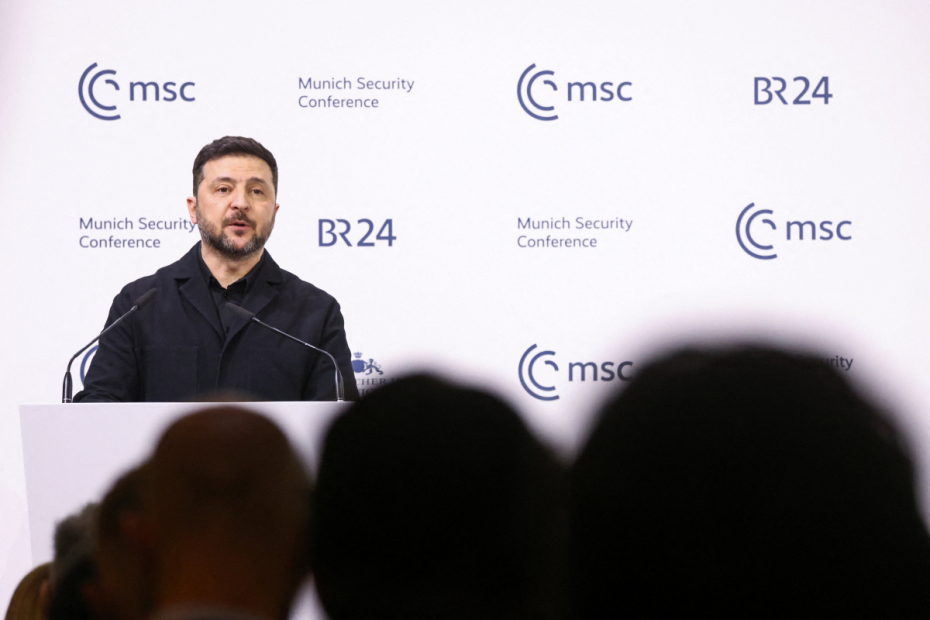
Ukrainian President Volodymyr Zelenskyy insisted that Europe must not be excluded from negotiations concerning the war with Russia. European states providing substantial financial and military assistance, he said, must have a seat at the table in discussions about peace and security guarantees.
He reiterated Ukraine’s ambition to accelerate integration into European institutions, framing the objective as both strategic and values-based. Zelenskyy’s remarks reflected Kyiv’s determination to align its political future with the European security architecture.
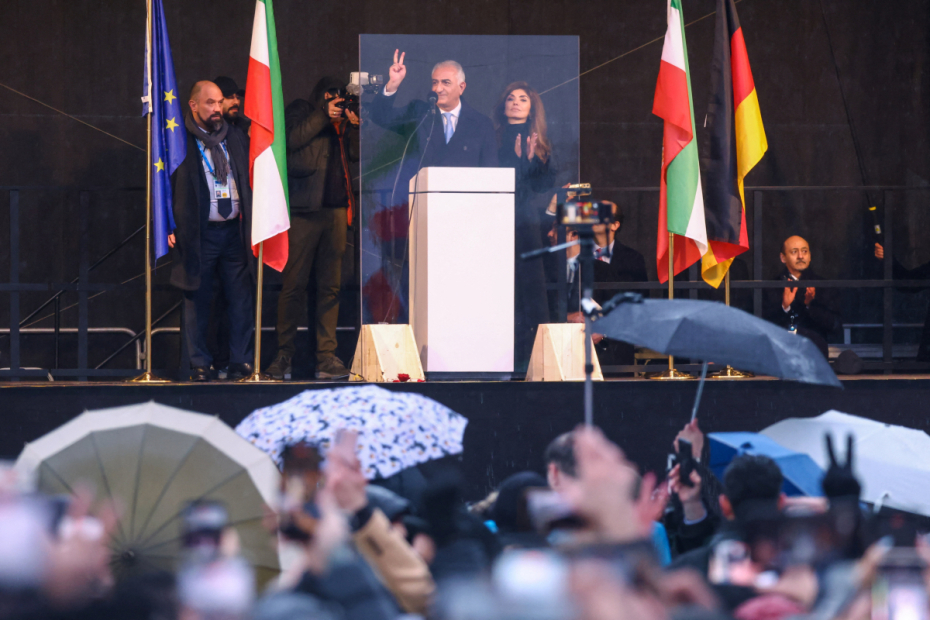
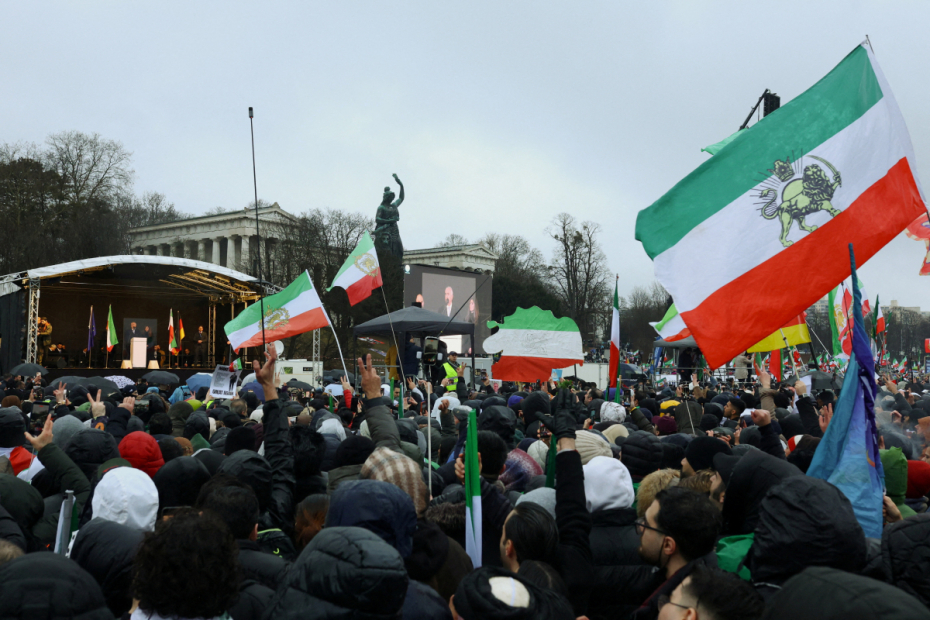
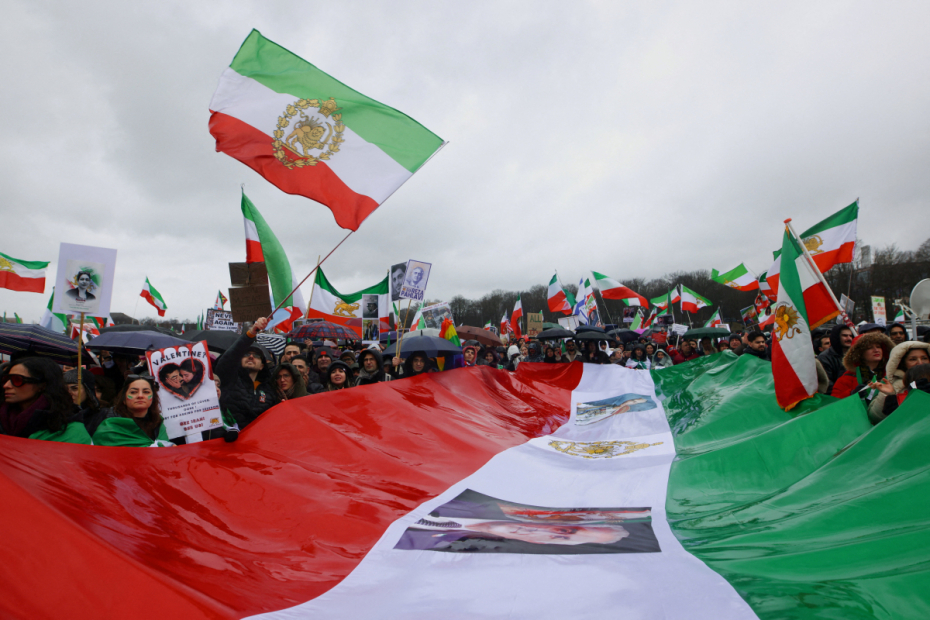
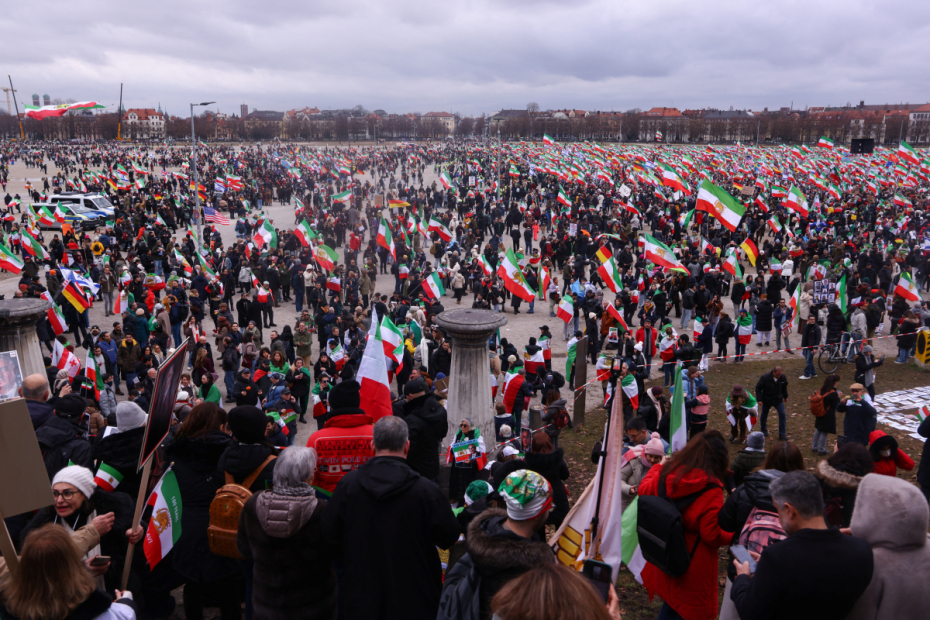
More than 200,000 rally in Munich during security conference, backing regime change in Iran
More than 200,000 people gathered in Munich on Saturday on the margins of the conference, calling for political change in Iran.
The demonstration followed an appeal by Iran’s exiled Crown Prince Reza Pahlavi for increased international pressure on Tehran. Protesters waved pre-1979 Iranian flags and chanted slogans demanding regime change.
Addressing the conference, Pahlavi urged democratic nations not to “stand by and watch” amid ongoing unrest in Iran, warning of further deaths if pressure on the authorities is not intensified.
Protests in Iran began in late December over deteriorating economic conditions and have since spread nationwide. Casualty figures remain unclear, as Iranian authorities have not released official totals.
Day 3 – Sunday, 15 February: Defence, industry, and long‑term preparedness
The final day of MSC 2026 shifted focus from diagnosis to implementation. Leaders and experts concentrated on practical steps to strengthen Europe’s security infrastructure, defence industries and long-term readiness.
Ursula von der Leyen: Building Europe’s defence industrial bas
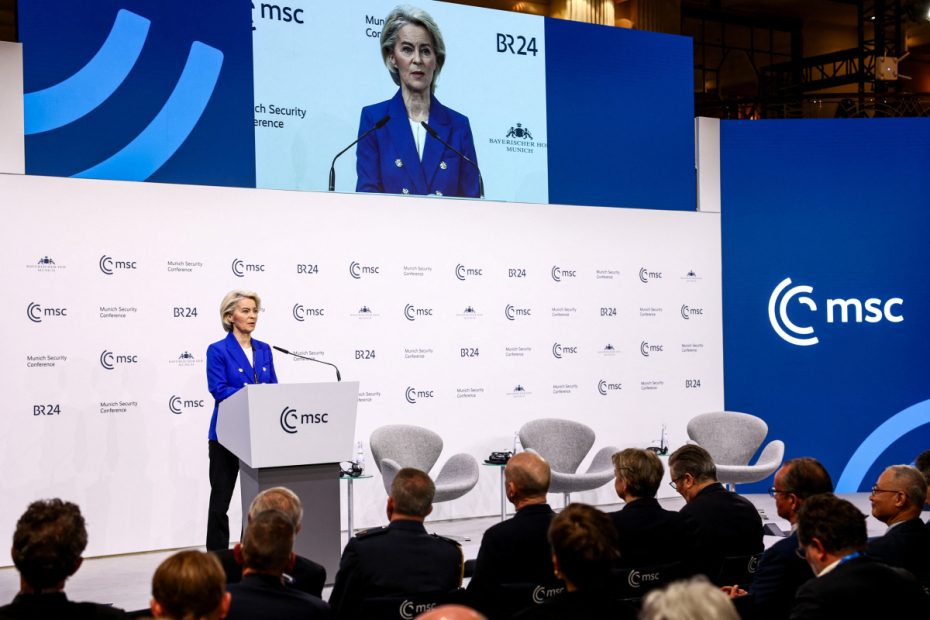
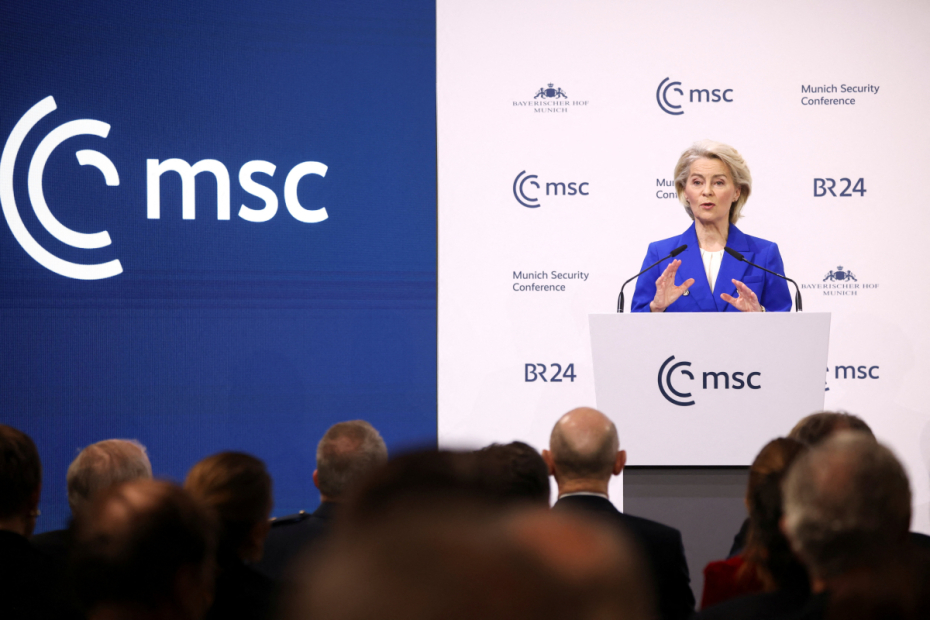
European Commission President Ursula von der Leyen stressed that a credible European defence posture depends on a robust and competitive industrial base.
She called for accelerated collaboration among EU member states to streamline joint procurement of critical capabilities, avoid duplication and ensure timely production of munitions, vehicles and strategic equipment.
Von der Leyen noted recent increases in defence spending and urged governments to sustain momentum. Industrial capacity - from ammunition production to advanced electronics - must keep pace with strategic requirements if Europe is to maintain credible deterrence, she argued.
Panels and security experts: Facing contemporary threats
A series of expert panels underscored the breadth of modern security challenges:
Ammunition shortages remain a critical vulnerability, with several countries still struggling to stockpile supplies sufficient for prolonged conflict scenarios.
Cyber resilience was a recurring theme, with speakers emphasising the need for robust digital defences against hacking, disinformation campaigns, and infrastructure sabotage.
Hybrid threats, which blend military, economic and informational tactics, were described as central to Europe's complex risk environment facing Europe.
Experts repeatedly stressed that industrial strength and diplomatic coordination must go hand in hand to support deterrence. Europe must not only expand defence production but also align political strategy with allies and partners.
Azerbaijan’s Multilateral Engagement and the Middle Corridor
President Ilham Aliyev of Azerbaijan highlighted Board of Peace initiative, a platform aimed at fostering cooperation in a multipolar diplomatic landscape.
Aliyev linked this initiative to broader regional connectivity projects, most notably the Trans‑Caspian International Transport Route (Middle Corridor), which connects China to Europe through Central Asia and the South Caucasus.
Panelists including EU Commissioner Marta Kos and Chinese expert Wang Huiyao described the corridor as a strategic asset for resilience, de‑risking and economic balance in an era of shifting trade routes.
Aliyev also condemned recent Russian attacks on Azerbaijani‑owned facilities in Ukraine and argued that expanding connectivity through Armenia toward Türkiye and Europe could significantly boost trade and foster trilateral cooperation.
The discussion reinforced a broader theme of the conference: security and economic connectivity are increasingly intertwined. Diversified infrastructure and trade routes, delegates argued, enhance strategic resilience.
Overall Assessment
While the 2026 MSC did not produce a single defining agreement, it clarified several strategic priorities:
- Europe must expand defence capacity and coherence.
- The United States remains committed to NATO but expects Europe to assume measurable responsibility.
- Multipolarity is now a defining feature of diplomacy, shaping both policy and practical engagement.
The conference concluded with a clear message: long-standing certainties are fading. The next phase will test whether political rhetoric translates into tangible action.











What is your opinion on this topic?
Leave the first comment