The European Union has proposed new restrictions on exports of drone and missile-related technology to Iran, while preparing additional sanctions in response to what it described as Tehran’s "brutal suppression" of protesters.
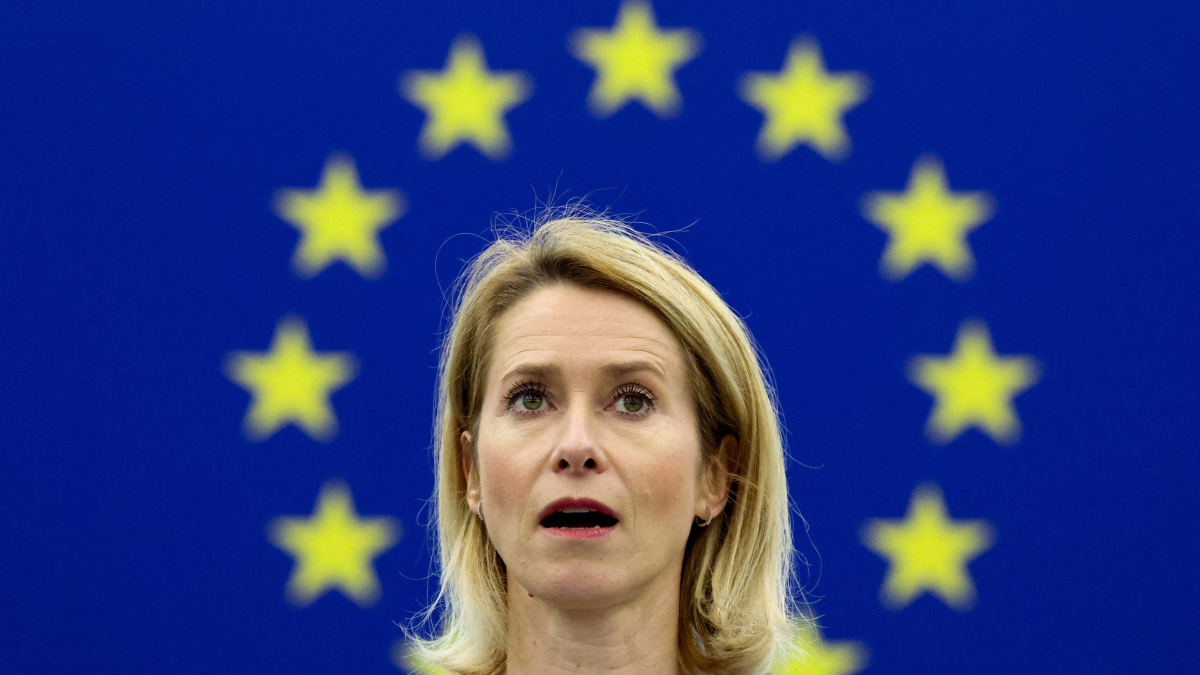
Speaking to the European Parliament in Strasbourg, EU foreign policy chief Kaja Kallas condemned Iran’s violent response to demonstrations over worsening economic conditions and the collapse of the national currency.
"The human rights situation in Iran has been severe for years, particularly the appalling pace of executions and the arbitrary detention of human rights defenders, but what we are witnessing now is of a different magnitude," Kallas said.
"Citizens demanding rights are met with batons and bullets," she added.
Kallas said the European Commission is proposing new export controls on components that could be used in Iran’s drone and missile programmes, arguing the move would further limit Tehran’s ability to support Russia’s war in Ukraine.
"This will further restrict Iran’s capacity to fuel Russia’s continued aggression against Ukraine," Kallas said, adding that the bloc is also working on new sanctions aimed at those responsible for the repression of protesters.
Iran has seen sustained demonstrations in Tehran and other cities since last month, initially triggered by the sharp depreciation of the rial and rising living costs. According to the U.S.-based Human Rights Activists News Agency, at least 4,029 people have been killed and more than 26,000 arrested since the protests began.
‘Sovereignty is not for trade’
Kallas also used her address to reiterate the EU’s support for Greenland and Denmark, rejecting recent remarks by President Donald Trump about acquiring the island.
"Greenland belongs to its people. No threat or tariffs will change that. Sovereignty is not for trade," she said, stressing that no country has the right to take over the territory of another.
"Not in Ukraine, not in Greenland, not anywhere in the world," Kallas added, saying the EU’s response must remain calm, united and rooted in international law.
She warned that tariff threats and pressure tactics risk harming both Europe and the United States, undermining shared prosperity. While insisting the EU does not seek confrontation, she said the bloc is prepared to defend its interests.
The foreign policy chief also highlighted growing geopolitical competition in the Arctic, warning that Russia and China could seek to expand their presence as ice melts open new routes.
"If there are concerns about Greenland’s security, NATO is well suited to address them," Kallas said, noting that several European countries have recently deployed personnel to the territory as part of alliance missions.
Trump has said Washington will impose tariffs on goods from eight European countries from 1 February, rising in June, unless a deal is reached on Greenland. European leaders have rejected the threat and reiterated their support for Denmark’s sovereignty.










What is your opinion on this topic?
Leave the first comment