The world is entering a more unstable and fragmented phase as global cooperation declines and rivalry between major powers intensifies, the World Economic Forum has warned.
In its Global Risks Report 2026, the forum said uncertainty had become the defining feature of the global outlook, based on insights from more than 1,300 experts worldwide.
Half of those surveyed said they expected the next two years to be turbulent or stormy, rising to 57% over the next decade. Just 1% anticipated a calm global environment.
Geopolitical rivalry and economic strain
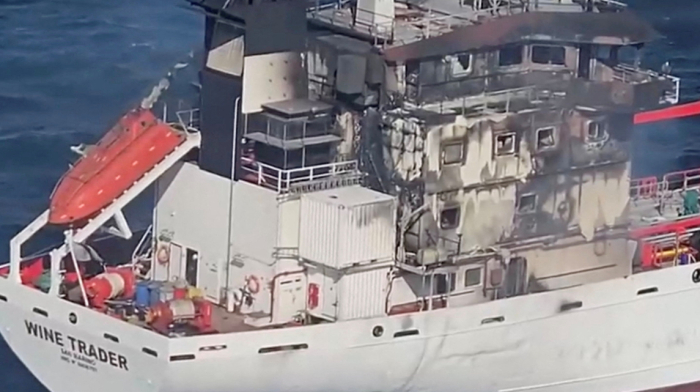
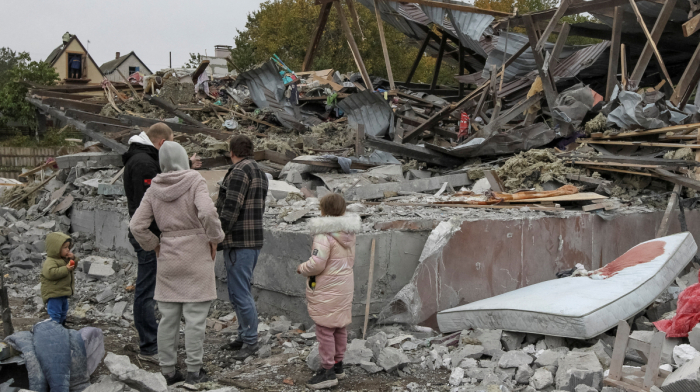
The report identified geoeconomic confrontation as the most immediate global threat in 2026, followed closely by state-based armed conflict.
Trade disputes, protectionism and the use of economic pressure by major powers were cited as key drivers of instability, increasing the risk of wider confrontation.
Economic risks were also intensifying, with experts warning of higher chances of downturns, inflation and asset bubbles amid elevated debt levels and fragile financial markets.
Technology risks outpace governance
Technological risks are accelerating, the report said, as misinformation, cyber insecurity and the long-term impact of artificial intelligence outstrip existing governance frameworks.
The report also highlighted a retreat from multilateralism, with trust between nations eroding as governments turn inward and cooperation gives way to competition.
Social pressures are mounting, with inequality described as the most interconnected global risk and political polarisation threatening social cohesion.
While environmental risks were seen as less urgent in the short term, they remain the most severe over the longer horizon, with extreme weather and climate change dominating the 10-year outlook.
Looking ahead, nearly 70% of experts said they expected a multipolar and fragmented global order driven more by rivalry than cooperation, warning that choices made now would shape global stability for years to come.











What is your opinion on this topic?
Leave the first comment