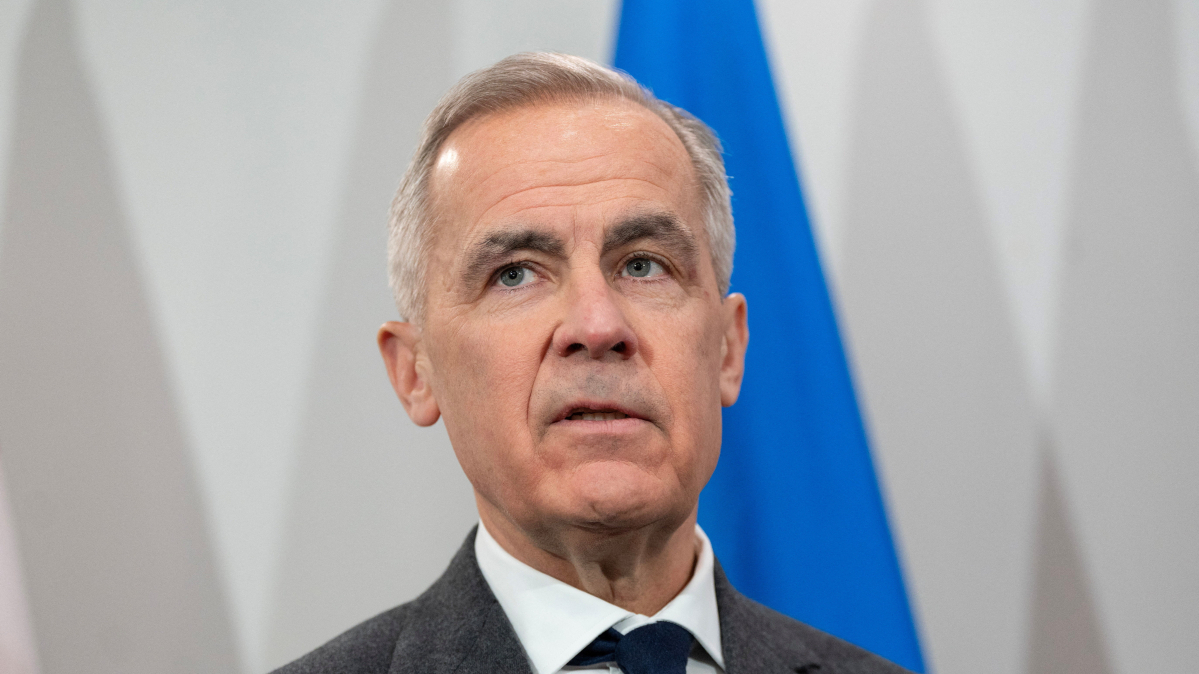
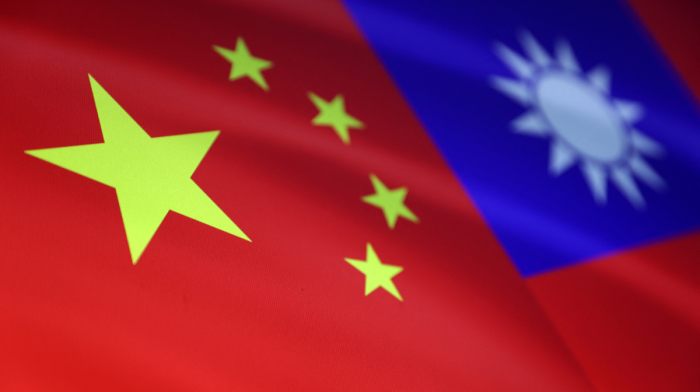
Canada’s Prime Minister Mark Carney is departing for China (13 January) for the first time since 2017, after years of strained diplomatic relations between the two countries that began in the late 2010s with disputes over trade, national security and human rights significantly weakened their ties.
Officials from both sides have described this visit as an opportunity to stabilise relations. Canadian government sources have stressed that the talks are intended to reopen channels of communication and manage differences, not to resolve longstanding disagreements.
Carney is set to discuss trade and international security at a time when Canda faces uncertain relations with its neighbours the U.S.
This time, experts expect some deals - or at least promises of future deals - to be struck. Senior Canadian officials said Carney would sign a number of memoranda that are still under discussion.
Deals could include more exports of Canadian crude to China, according to a source informed of the discussions.
Canada exports some 90% of its oil to the United States but a planned increase in U.S. oil imports from Venezuela could decrease U.S. demand for Canadian crude.
Senior Canadian officials said they expected progress but not the definitive elimination of Chinese tariffs on Canadian canola exports during the visit.
China looks forward to deepening mutual trust with Canada during the January 14-17 visit, the Chinese foreign ministry said.
“Both Canada and China want to signal their good intentions, so they each need to give away something,” said Lynette Ong, a professor of Chinese politics at the University of Toronto.
China announced preliminary anti-dumping duties on Canadian canola imports in August, escalating a year-long trade dispute that began with Ottawa's imposition of tariffs on Chinese electric vehicle (EV) imports a year earlier. The tariffs have virtually eliminated all canola exports to China, which was previously the biggest export market for Canadian canola.
Ong said the EV tariff was introduced during the administration of former U.S. President Joe Biden and the recent rupture in Canada’s relationship with the U.S. made keeping it unnecessary, because alignment with Washington had become less of a priority for Ottawa. China is Canada’s second-biggest trading partner after the U.S.
Doug Ford, premier of Ontario, Canada’s most populous province and auto hub, urged Carney not to "back down," saying the EV tariffs should only be lifted if China opens a manufacturing facility in Ontario.
Colin Hornby, Head of the Manitoba Farm Group Keystone Agricultural Producers, said he did not expect an agreement to eliminate the canola tariffs during the trip but was optimistic something could happen in the coming weeks or months.
Disagreements remain
At the same time, significant areas of disagreement remain. Canada has repeatedly voiced concerns about human rights in China, as well as foreign interference and regional security. Beijing has rejected criticism of its domestic policies, describing them as internal matters.
Under former Canadian PM Justin Trudeau, the country arrested the chief financial officer of China’s Huawei in 2018.
Canada has also previously voiced concerns about human rights violations in China, including the jailing of pro-democracy media mogul Jimmy Lai, the secret execution of four Canadians in China last year and past interference in Canadian elections.
China expresses strong dissatisfaction over international criticism of Jimmy Lai guilty verdict.
Tensions with U.S.
The visit comes as Canada faces uncertain relations with the U.S. due to a trade war and annexation threats from President Donald Trump.
A former senior Liberal ministerial adviser Greg MacEachern said he expects the trip to yield results.
“There’s a political risk this could upset President Trump, but Prime Minister Carney clearly wants to send the message that Canada is open for business,” says MacEachern.
Meanwhile, Joseph Torigian, an expert in Chinese politics at American University suggests that China might be looking to burnish its global reputation after the U.S. seizure of Venezuelan President Nicolas Maduro earlier this month.
Trump to meet Venezuela’s Machado at the White House on Thursday
Trump blocks U.S. court claims on Venezuelan oil revenue
"The Chinese might make a case during bilateral meetings with Canada about how unreliable the U.S. is as a partner and how dangerous they are," Torigian said.
"Whereas China is willing to help Canada expand its trade relationships outside of its hemisphere if the Canadians are willing to play ball," he added.














What is your opinion on this topic?
Leave the first comment