Middle East crisis fuels global shift towards electric transport
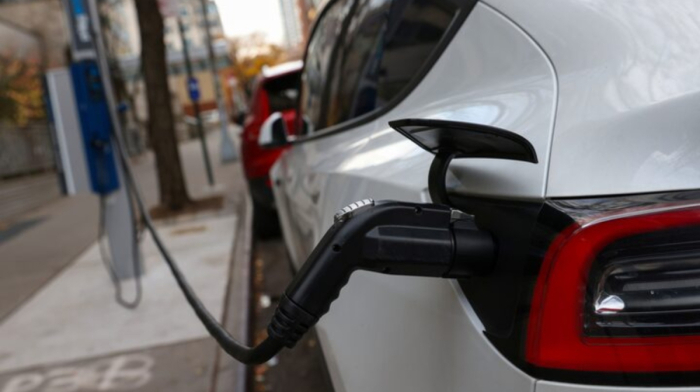
The Middle East crisis is reshaping transport choices worldwide, turning electric vehicles from a long-term climate goal into an immediate economic calculation.
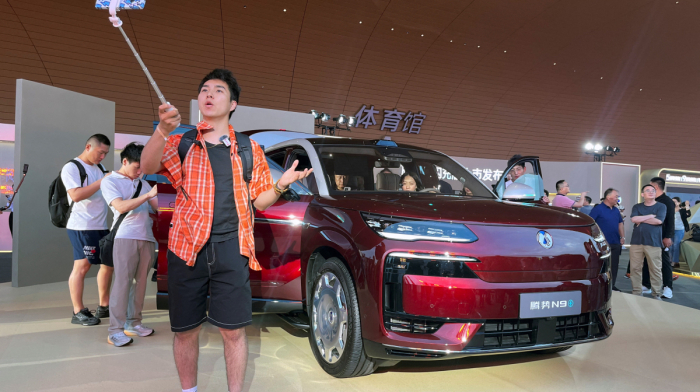
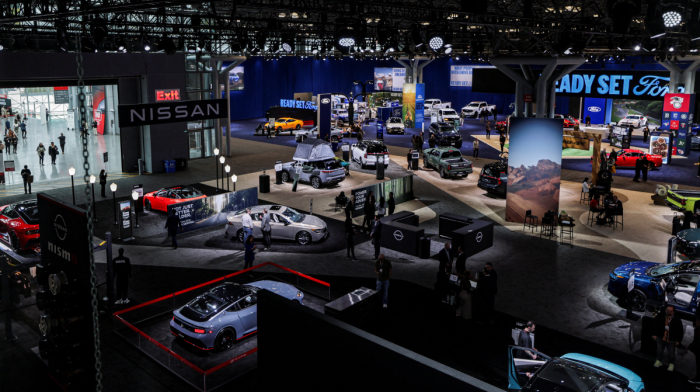
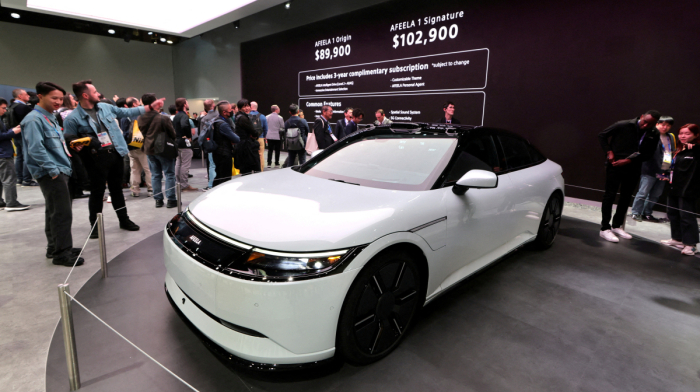
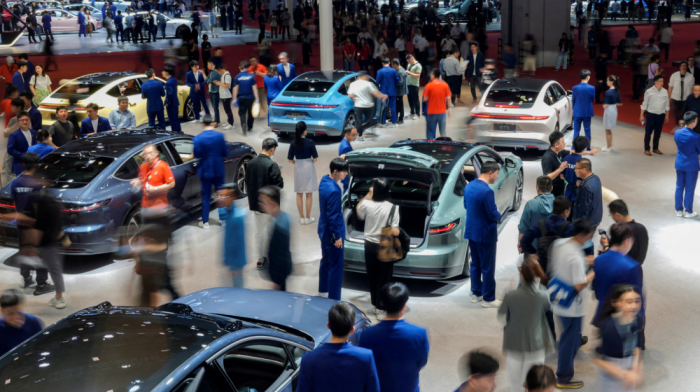
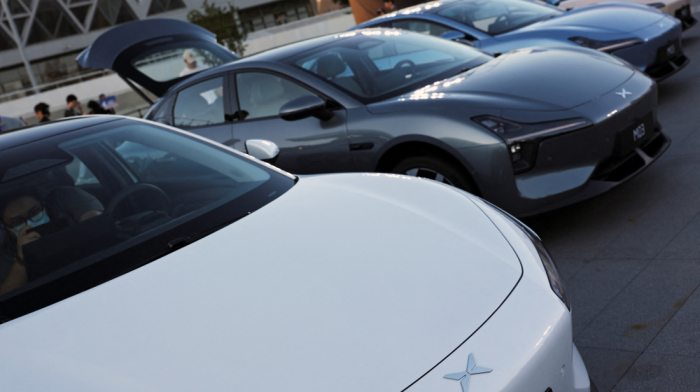
Major automakers showcased new electric vehicles at the New York Auto Show this week, under the slogan “electrification is the future." However, weakening demand in the United States and intense competition with China are raising questions for markets across the globe, including the South Caucasus.
Petrol price spikes triggered by the war in Iran are boosting used electric vehicle sales across Europe, online car platforms told Reuters, in an early sign that pain at the pump is pushing consumers away from combustion engines.
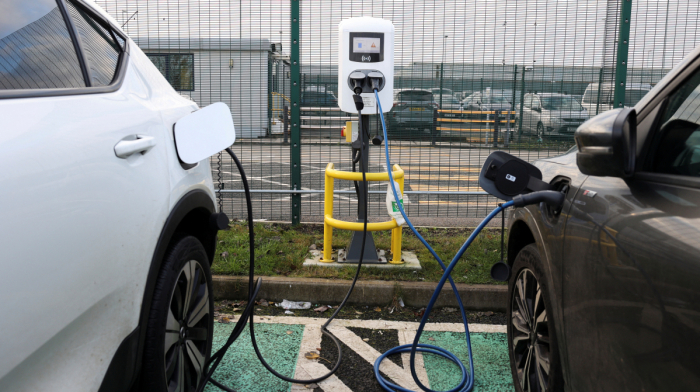
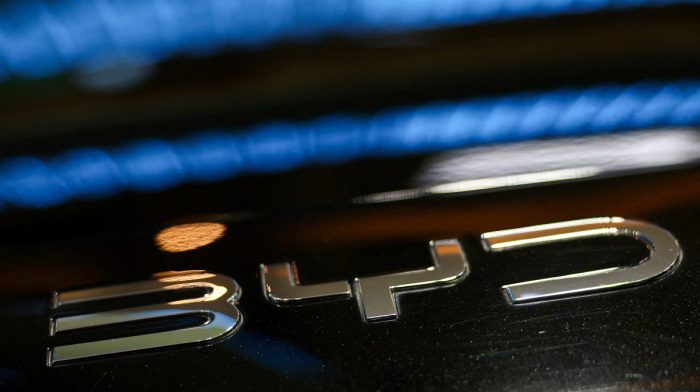
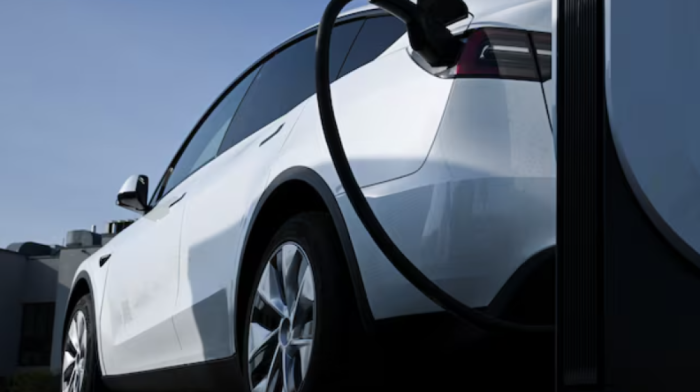
Chinese electric vehicle giant BYD is pushing to make charging an electric car almost as quick and convenient as filling up a traditional petrol vehicle - a move that could help remove one of the biggest barriers to wider electric vehicle adoption.
Elon Musk’s rocket company SpaceX has acquired his artificial intelligence firm xAI, as the billionaire moves to bring more of his technology businesses under one structure.
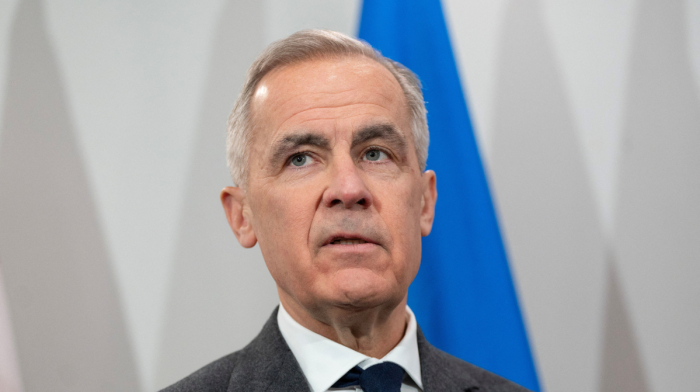
Canada’s Prime Minister Mark Carney is departing for China (13 January) for the first time since 2017, after years of strained diplomatic relations between the two countries that began in the late 2010s with disputes over trade, national security and human rights significantly weakened their ties.
Uzbekistan plans to significantly expand the use of electric vehicles (EVs), targeting a 10% share of all passenger cars by 2030.
Germany has confirmed a 43 million tonne lithium carbonate equivalent resource in the Altmark region, fuelling expectations that Europe could reduce strategic dependence on China as electric vehicle demand and clean transport targets accelerate.
Ford Motor Company said on Monday it will take a $19.5 billion writedown and scrap several electric vehicle (EV) models, marking a major retreat from its battery-powered ambitions amid declining EV demand and changes under the Trump administration.
China's commerce ministry said negotiations with the European Union over a minimum price plan for China-made electric vehicles (EVs)have restarted and would continue into next week, while urging the bloc not to talk independently with manufacturers.
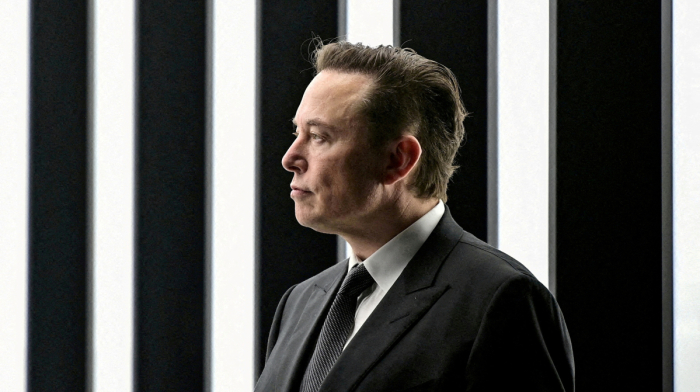
Tesla CEO Elon Musk won shareholder approval on Thursday for the largest corporate pay package in history as investors endorsed his vision of morphing the electric vehicle (EV) maker into an artificial intelligence (AI) and robotics juggernaut.
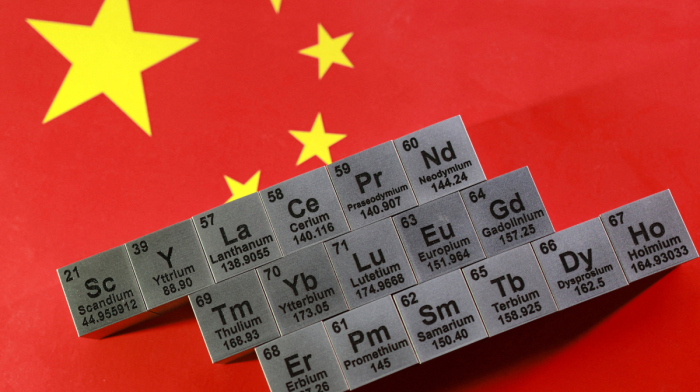
China’s June exports of rare-earth permanent magnets to the U.S. have skyrocketed by 660%, reaching 353 metric tons, as Beijing lifted earlier restrictions under a new trade pact—though volumes remain below June 2024 levels amid ongoing supply chain recovery.
Electric car sales in Germany surged to a new record in the first half of 2025, making up 17.7% of all new vehicle registrations, according to the German road traffic agency KBA. Despite a 4.7% drop in overall car sales, demand for EVs grew by 35% year-on-year.
Sales of electric and hybrid vehicles in China saw a strong year-on-year growth in May, boosted by government-backed trade-in programs designed to stimulate domestic consumption.
A cargo ship carrying around 800 electric vehicles caught fire off Alaska, forcing its 22 crew members to abandon the vessel amid rising concerns over maritime EV fires.
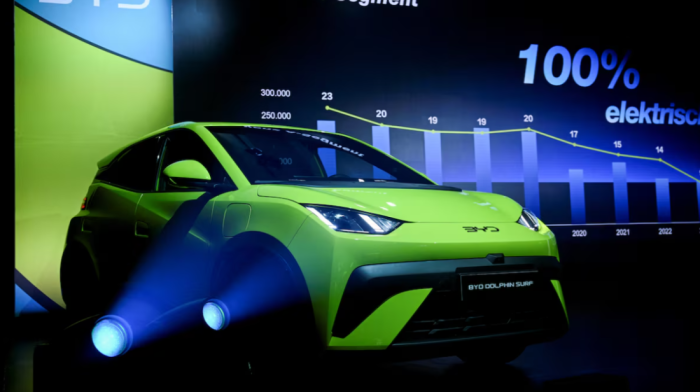
Chinese EV maker BYD has unveiled its budget-friendly Dolphin Surf in Berlin, intensifying competition in Europe's electric car market with prices starting at just €19,990.
SOCAR Energy Switzerland, a subsidiary of the State Oil Company of the Azerbaijani Republic (SOCAR), has commissioned Switzerland’s first fast-charging station for electric trucks.
Toyota has signed a $2 billion deal to build a wholly-owned electric vehicle plant in Shanghai, as the Japanese automaker strengthens its position in China’s growing EV market during heightened US-China trade tensions.
China is tightening regulations on battery-powered vehicles and will require its automakers to comply with higher battery safety standards, aiming to reduce risks of fire and explosions in the fast-growing sector.
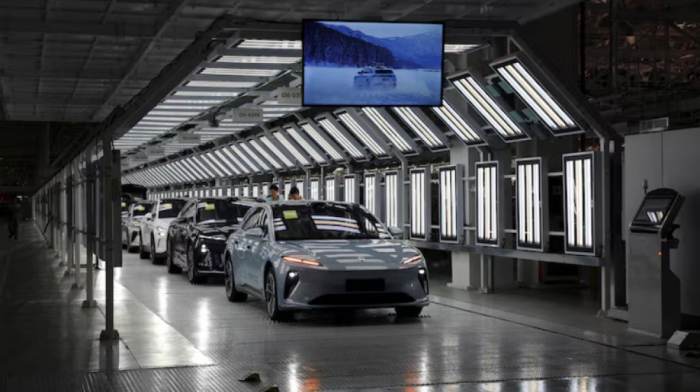
China's new energy vehicle (NEV) market saw impressive growth in February, with sales hitting 686,000 units. This increase highlights the country's strong push toward electrification, driven by government incentives, improved infrastructure, and growing consumer demand.
UK car production fell to its lowest level in nearly 70 years in 2024, as the industry struggles with weak demand and transitions to electric vehicles, with further disruptions expected if tariffs are imposed by the U.S.
Kazakhstan’s EV market surges 60% in a year, driven by duty-free imports and rising Chinese EV popularity. Almaty leads registrations with 7,309 vehicles.
As we approach 2025, the electric vehicle (EV) industry is poised for massive growth, driven by policy changes, technological breakthroughs, and market shifts. From China surpassing ICE vehicle sales to new charging tech, discover how global EV trends are transforming the future of mobility.
St. Helena, 1,930 kilometers off Namibia’s coast, now has the world’s most remote EV charging point. With just four electric cars, the island is working to expand its fleet and reduce fossil fuel reliance through sustainable energy.
You can download the AnewZ application from Play Store and the App Store.