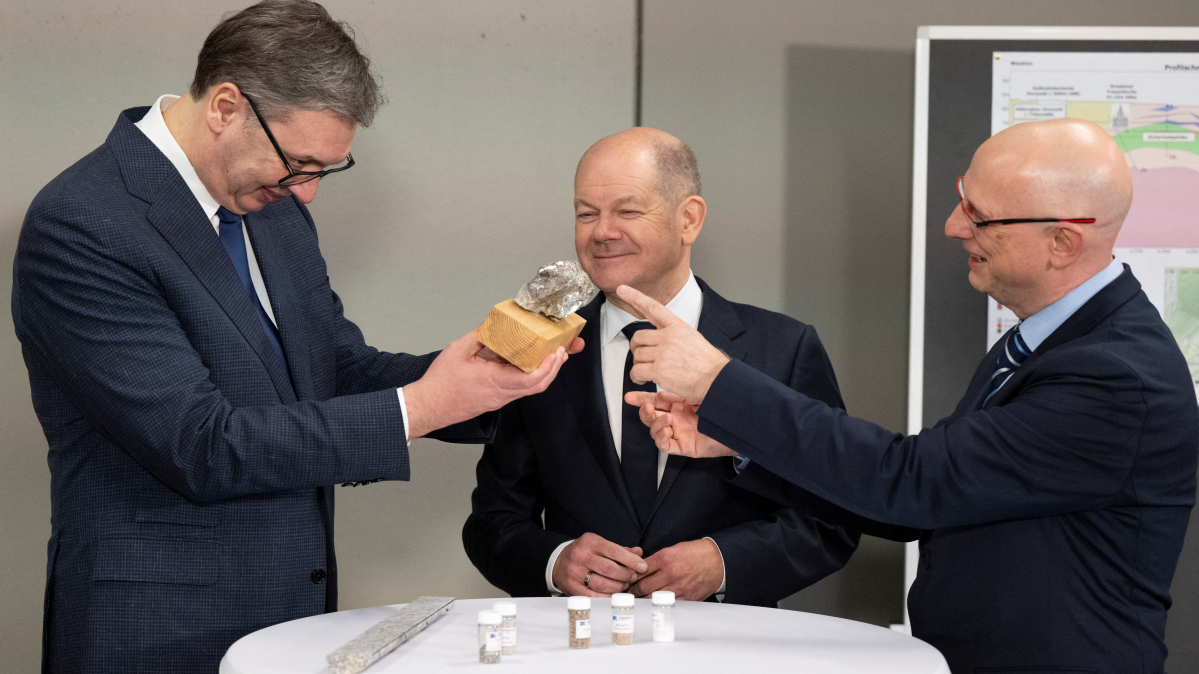
Germany has confirmed a 43 million tonne lithium carbonate equivalent resource in the Altmark region, fuelling expectations that Europe could reduce strategic dependence on China as electric vehicle demand and clean transport targets accelerate.
The Altmark discovery in Saxony-Anhalt has occurred at a moment when the European Union is attempting to translate climate ambition into industrial capability. Under the European Green Deal, the bloc aims to cut transport-related emissions by 90% by 2050, and lithium remains central to the batteries powering electric vehicles. That urgency is also strategic. The EU currently imports 81% of its raw lithium and 100% of its processed lithium, while China holds a dominant position across much of the global lithium value chain.
Yet the scale of a deposit does not automatically translate into geopolitical leverage. One key issue is the difference between a resource and an economically recoverable reserve. Neptune Energy has described Altmark as a "potential resource", signalling that commercial viability using current technology is not fully proven. Europe’s higher labour costs, strict environmental rules, and lengthy permitting processes can raise the cost base, and that matters in a market where Chinese firms benefit from scale, established infrastructure, and integrated industrial clusters.
Timing adds another layer of uncertainty. If commercial extraction begins only after 2029, the project risks arriving after the most profitable demand window, especially if global supply expands and prices fall. Battery innovation could also reshape demand, potentially reducing the advantage of new projects that rely on today’s assumptions about chemistry, cost, and supply constraints.
There is also a more structural challenge - owning lithium is not the same as controlling the supply chain. Europe’s biggest vulnerability lies in processing and manufacturing. The EU’s total dependence on imported refined lithium means the crucial chokepoint is purification, not just extraction.
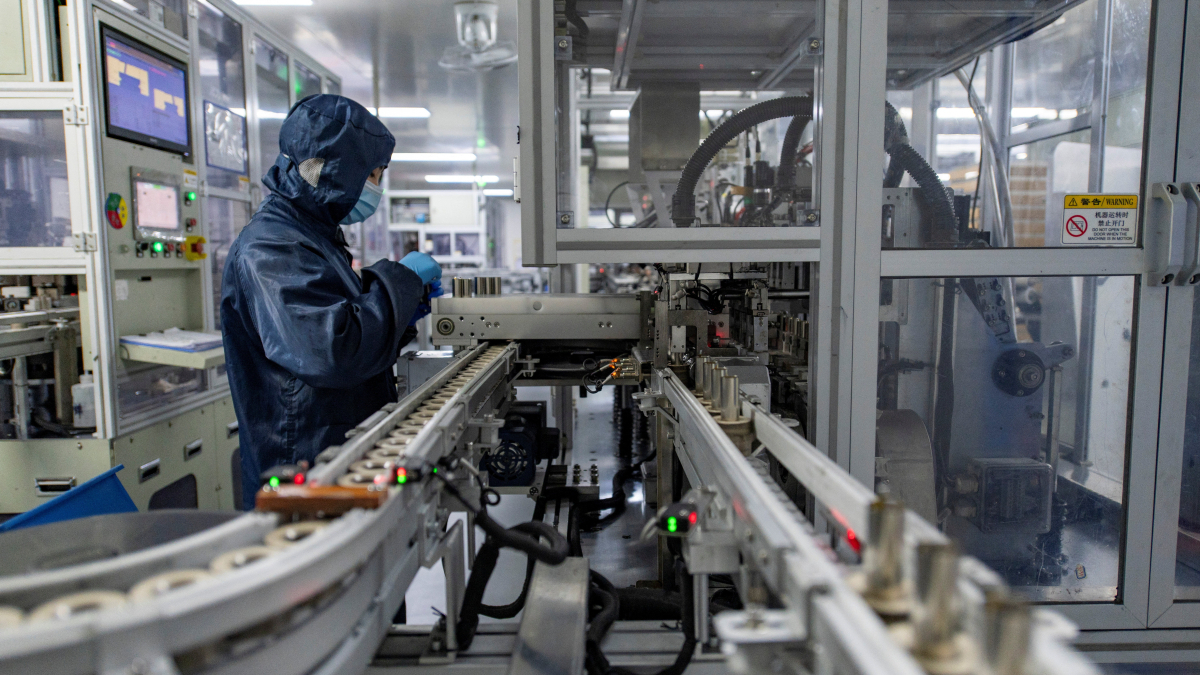
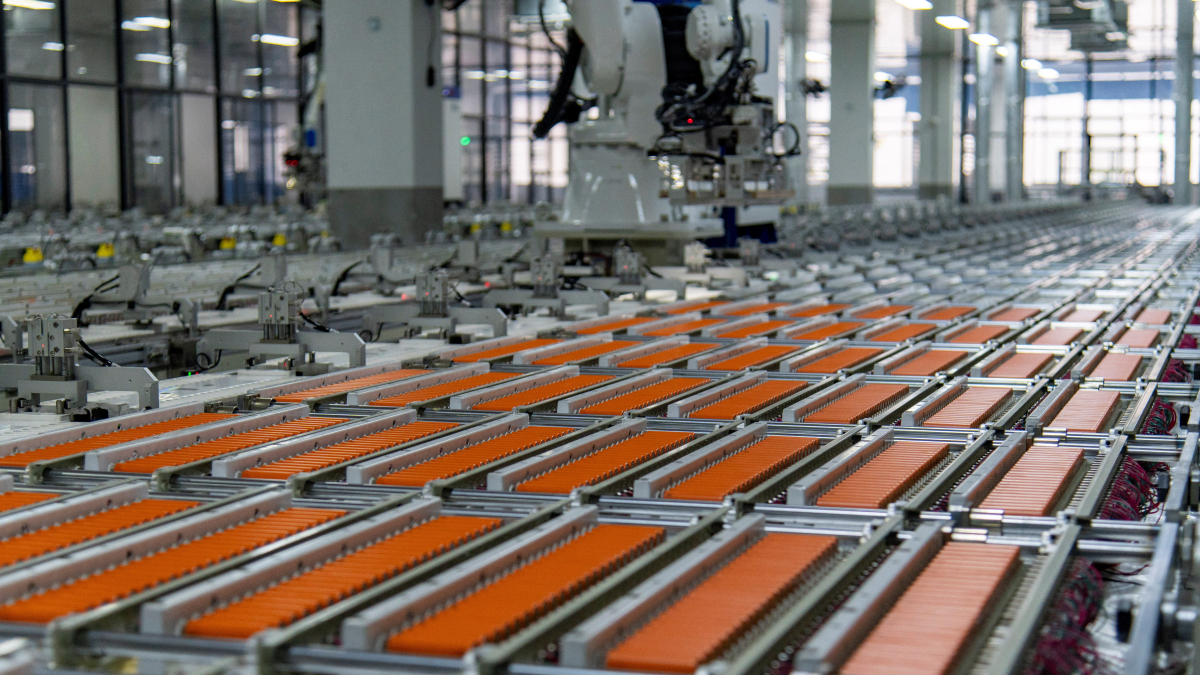
Beyond lithium, other battery inputs, including graphite, nickel, cobalt, manganese, and copper, are linked to supply chains where Chinese companies hold significant influence. Even if China does not dominate raw lithium exports, it remains the central hub for lithium-ion battery production and electric vehicle manufacturing, with more than 50% of global EV output taking place in China.
That is why the Altmark discovery matters most as an opportunity to build an integrated European ecosystem, rather than as a standalone mining story. Germany could use the project to connect extraction with local refining capacity, battery cell production, and vehicle manufacturing.
A major difference highlighted by proponents is the proposed use of Direct Lithium Extraction, which aims to pull lithium from brine and support on-site, integrated extraction and purification. If it works at scale, it could reduce the risk of shipping material abroad for processing, a pattern seen elsewhere in the market, including Australia, where 99% of lithium is processed in China.
European companies are already trying to move in that direction. Vulcan Energy is building a plant designed to convert raw material into battery-grade lithium, while industrial players such as Volkswagen and Northvolt have pursued a broader battery ecosystem.
However, China’s CATL retains a strong position in Europe’s market, including in Germany. BMW’s ties illustrate the depth of that interdependence: it holds a stake in CATL and has placed battery cell orders worth €7.3 billion through to 2030.
In that context, Altmark can support the EU’s Critical Raw Materials Act ambitions by offering a more resilient supply option, but it is unlikely to transform dependence overnight.
The deeper geoeconomic contest is about who controls refining capacity, cell manufacturing, and the industrial networks that turn minerals into products. If Europe wants strategic autonomy, it will need faster investment not only in extraction, but in processing plants, battery manufacturing scale, and diversified sourcing across the entire chain.
Without that, lithium under German soil will remain a symbol of potential, not a guaranteed shift in China-Europe economic balance.











What is your opinion on this topic?
Leave the first comment