Chinese electric vehicle (EV) maker XPeng says it expects to begin delivering its flying cars in 2027, as the company pushes ahead with plans to bring futuristic transport closer to everyday use.
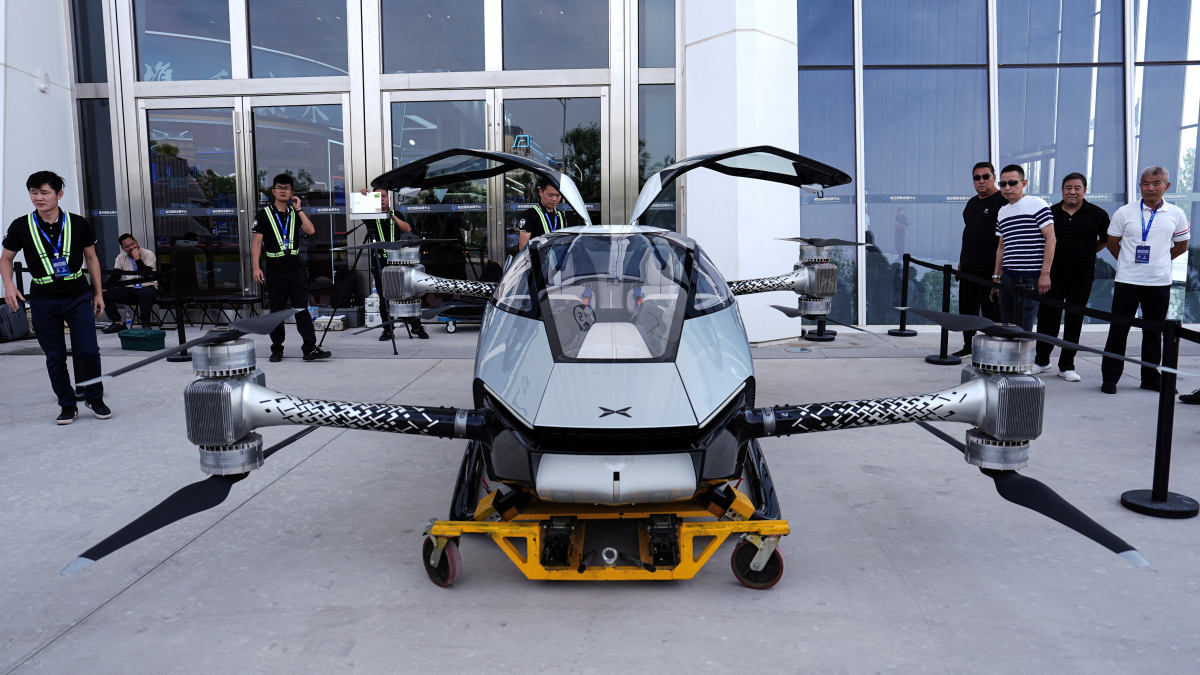
The project is being developed by XPeng’s aviation division, which has been working on a new type of vehicle that can both drive on roads and fly at low altitudes. One of its key designs says the automaker, features a modular system, where a ground vehicle carries a compact aircraft that can take off vertically.
According to officials, this would allow users to switch between driving and flying, offering a potential solution to traffic congestion in busy cities.
XPeng has indicated that it plans to move into mass production stages around 2026, before starting full deliveries the following year. The company believes that advances in technology, along with growing interest in new forms of mobility, are making flying cars more realistic than ever before.
Early interest in the concept has been strong, with reports of pre-orders and inquiries from potential buyers. While the initial market is expected to be limited and focused on high-end users, the company hopes that costs will come down over time, making the technology more widely accessible.
However, significant challenges remain. Flying cars must meet both automotive and aviation safety standards, which makes regulation more complex.
Airspace management, pilot training, and infrastructure such as takeoff and landing areas will also need to be developed before large-scale adoption can happen.
XPeng’s move into this space is part of its strategy to expand beyond traditional EVs. The company says it's investing in future technologies such as autonomous driving and smart mobility solutions, aiming to position itself at the forefront of next-generation transport.
The development also shows wider trends in China, where interest in low-altitude aviation and advanced transportation is growing. As cities become more crowded, both companies and policymakers are exploring new ways to improve mobility and reduce travel time.
If XPeng meets its target, 2027 could mark a major step forward in turning the idea of flying cars from science fiction into reality. While it may still take time before they become common, the progress suggests that a new era of transportation could be on the horizon.





















What is your opinion on this topic?
Leave the first comment