UN urges Uganda to lift internet blackout ahead of election
The United Nations has called on Uganda to lift a nationwide internet blackout ahead of Thursday’s general election, describing the restrictions as ...
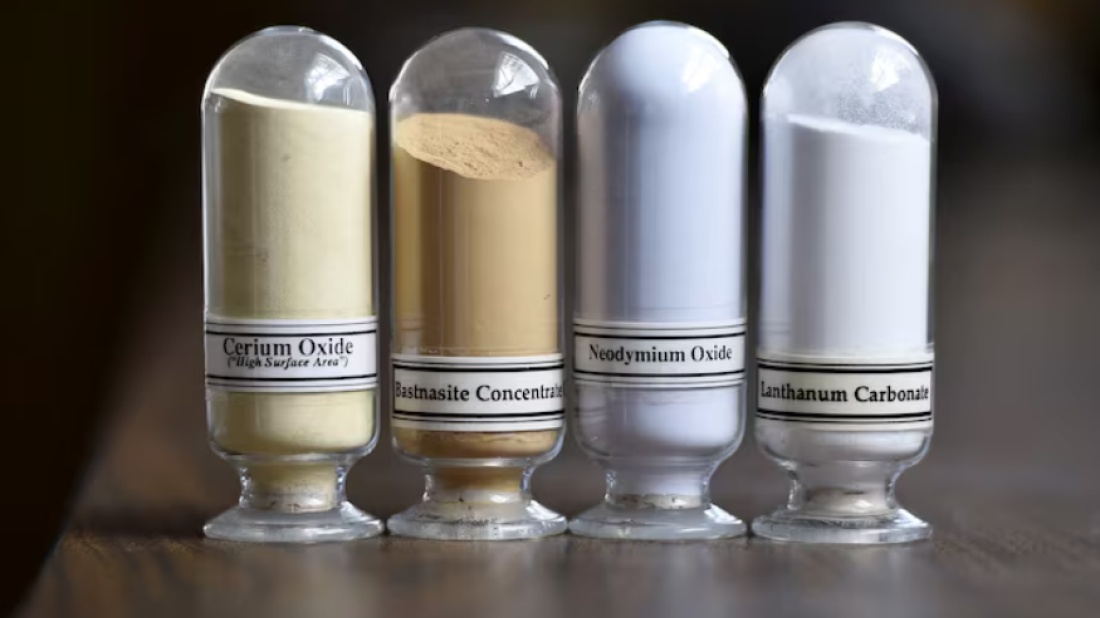
China’s June exports of rare-earth permanent magnets to the U.S. have skyrocketed by 660%, reaching 353 metric tons, as Beijing lifted earlier restrictions under a new trade pact—though volumes remain below June 2024 levels amid ongoing supply chain recovery.
China’s exports of rare-earth permanent magnets to the United States surged to 353 metric tons in June, representing a 660% increase from May, according to Chinese customs data. The rise comes after a sharp drop in April, when China imposed an embargo in response to new U.S. tariffs, severely disrupting global supply chains.
The embargo led to shortages of these crucial components, forcing some international automakers to scale back production. Rare-earth magnets are essential for a wide range of industries, including electric vehicles, wind turbines, and high-performance electronics.
Overall, China exported 3,188 metric tons of rare-earth magnets globally in June, a 157.5% rise from May. However, this still marked a 38.1% decline compared to June 2024, reflecting a partial market recovery rather than a full rebound.
The sharp rise in exports was driven by a new Sino-U.S. trade agreement reached in June, which relaxed licensing requirements for rare-earth shipments and facilitated broader cooperation in high-tech trade. One outcome was a compromise allowing NVIDIA to resume exports of its H20 AI chips to China, in exchange for Beijing’s approval to restart outbound flows of rare-earth products.
Despite the June recovery, rare-earth magnet exports from China in the first half of 2025 fell 18.9% year-on-year, totalling 22,319 metric tons, due to delays in export licensing earlier this year.
Analysts expect exports to continue rising in July as these licensing bottlenecks ease further. However, long-term supply stability remains uncertain amid ongoing geopolitical tensions and strategic trade manoeuvring.
China currently controls more than 90% of global rare-earth magnet supply, giving it considerable influence in global technology and manufacturing chains. The country has previously added several rare-earth-related products to its export control list, using them as leverage in trade negotiations.
The Trump administration will suspend all visa processing for visitors from 75 countries beginning 21 January 2026, according to a State Department memo reported by media.
Sweden is sending a group of military officers to Greenland at Denmark’s request, Prime Minister Ulf Kristersson said on Wednesday, as Nordic countries and NATO allies step up coordination around the Arctic territory.
Saudi Arabia has informed Iran that it will not allow its territory or airspace to be used for any military action against Tehran, according to two sources close to the kingdom’s government cited by AFP.
Israel and Arab States have urged the U.S. to delay any potential military action against Iran, warning that such a move could undermine ongoing protests inside the country, according to NBC News.
Finland and Sweden have called for tougher economic measures against Russia, proposing higher import duties, export restrictions, and an European Union ban on Russian energy shipments.
China recorded the world’s largest-ever trade surplus in 2025, reaching $1.2 trillion as exporters shifted focus away from the U.S. amid ongoing trade tensions.
A coalition of women’s rights organisations, technology watchdogs and progressive campaigners is urging Apple and Google, owned by Alphabet, to remove the social media platform X and its associated chatbot, Grok, from their app stores.
Boeing booked more aircraft orders than Airbus in 2025 for the first time since 2018, official figures showed, even as the European manufacturer delivered more planes during the year.
U.S. oil major Chevron and private equity firm Quantum Capital Group are reportedly preparing a joint bid to acquire Lukoil’s international assets, as the sanctioned Russian energy company seeks to divest its overseas operations.
The U.S. dollar's share of global reserves fell to nearly 40% at the end of 2025, according to the International Monetary Fund (IMF), which says it's 10% lower than at the start of 2024. However, gold has risen and overtaken the dollar to be above 50% in global reserves according to the IMF data.
You can download the AnewZ application from Play Store and the App Store.
What is your opinion on this topic?
Leave the first comment