live Iran-U.S.-Israel tensions rise after strikes and threats of retaliation- 31 March
The Iran-U.S.-Israel conflict is intensifying, with fresh strikes near Tehran, European calls for restraint, and Iran threatening to target U.S. fi...
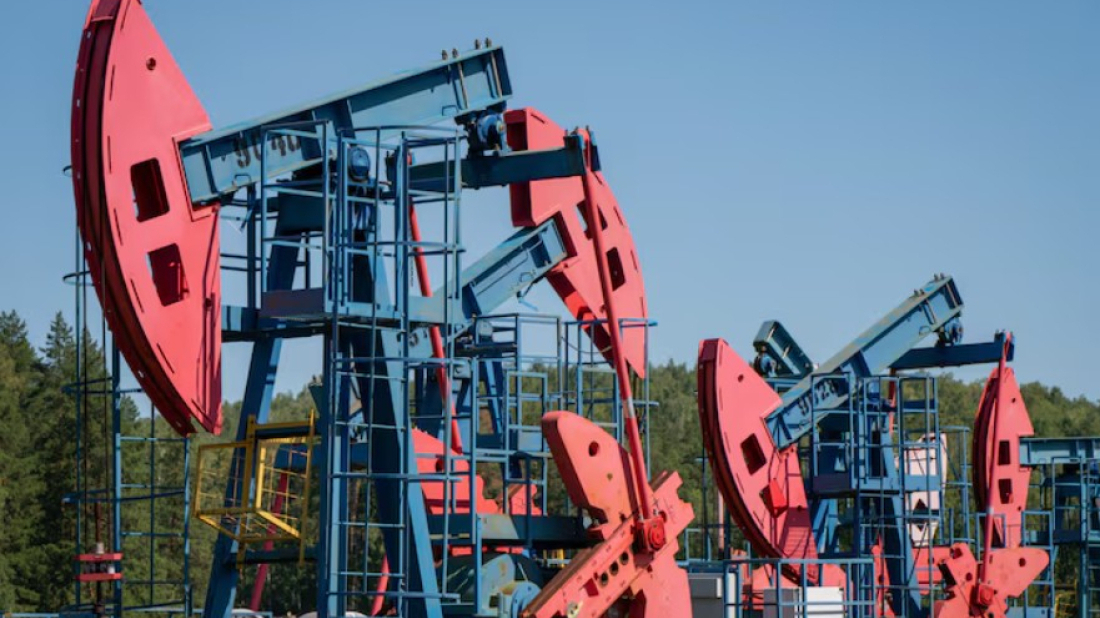
Oil prices edged higher on Friday, heading for a small weekly loss, as investors weighed new European Union sanctions against Russia.
Brent crude futures climbed 50 cents, or 0.72%, to $70.02 a barrel as of 0912 GMT, U.S. West Texas Intermediate crude futures gained 61 cents, or 0.9%, to $68.15 a barrel.
Investors mulled the potential impact on global oil balances of the EU's agreement on an 18th sanctions package against Russia over its war in Ukraine, which includes measures aimed at dealing further blows to Russia's oil and energy industries.
Its latest sanctions package will lower the G7's price cap for buying Russian crude oil to $47.6 per barrel, diplomats told Reuters.
"Neither the price cap for Russian oil nor adding shadow fleet tankers on a sanction list managed to disrupt Russian oil exports so far, so the market remains sceptical of the impact of the latest sanctions," UBS analyst Giovanni Staunovo said.
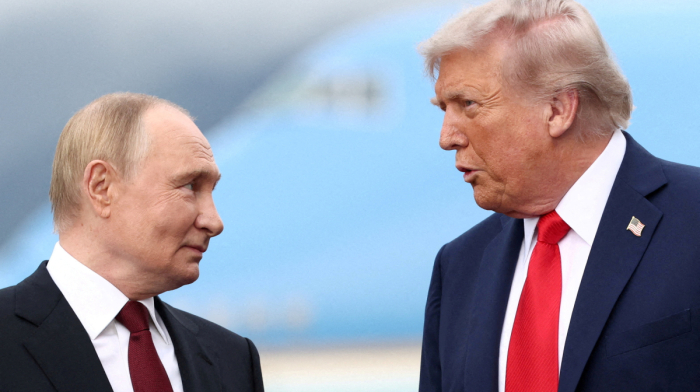
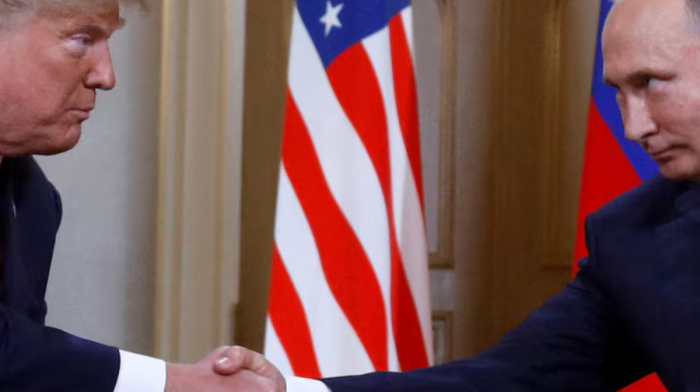
Investors are awaiting news from the U.S. on possible further sanctions, after President Donald Trump earlier this week threatened sanctions on buyers of Russian exports unless Moscow agrees a peace deal in 50 days.
"Ultimately, it is now a matter of waiting for possible major changes in U.S. sanctions and tariff policy," Commerzbank analysts said in a note.
Four days of drone attacks on oilfields in Iraqi Kurdistan that shut down half the region's output have supported prices, pushing both contracts up by $1 on Thursday.
The attacks "are bound to take their toll as the region’s output has been slashed from 280,000 bpd to around 130,000 barrels per day," said PVM analyst Tamas Varga.
Officials pointed to Iran-backed militias as the likely source of attacks this week on the region's oilfields, although no group has claimed responsibility.
Despite the attack, Iraq's federal government said on Thursday that Iraqi Kurdistan will resume oil exports through a pipeline to Turkey after a two-year halt.

U.S. President Donald Trump has said that the U.S is in talks with the new Iranian regime. He said this in a post on his Truth Social account but warned that the U.S. will "Obliterate" Iran's electric and oil facilities if no deal is reached, especially regarding the Strait of Hormuz closure.
NASA is aiming to launch its Artemis 2 mission on Wednesday (1 April), sending astronauts on a 10-day journey around the Moon, officials confirmed. According to the Space Administration, the launch window is due to open at 23:24 GMT, with additional opportunities to 6 April if delays occur.
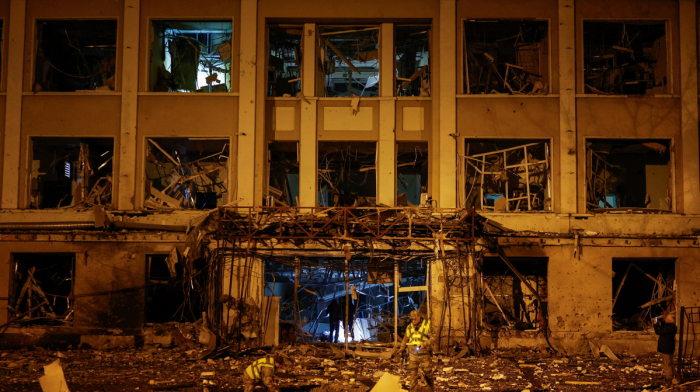
The Iran-U.S.-Israel conflict is intensifying, with fresh strikes near Tehran, European calls for restraint, and Iran threatening to target U.S. firms in the region, raising fears of a broader escalation across the Middle East.
The war in Iran has rapidly upended regional security, triggering spillover across the Middle East and raising fears of wider economic disruption that could threaten globalisation.
The Israeli military said on Monday that Iran launched multiple waves of missiles at Israel, and an attack had also been launched from Yemen for the second time since the U.S.-Israeli war began on Tehran. It said two drones from Yemen were intercepted early 30 March but gave no further details.
The U.S. national average retail price of petrol rose above $4 a gallon for the first time in over three years on Monday (30 March), according to GasBuddy data, as the U.S.–Israeli war with Iran continued to roil global energy markets.
Japan and Indonesia will deepen coordination on energy security, Tokyo said, as the U.S.-Israeli war on Iran disrupts vital oil and gas flows to Asia.
China's three largest state-owned airlines have issued warnings regarding their financial outlook for the current year, acknowledging that the eruption of war involving Iran has driven jet fuel prices to unsustainable highs.
Stock markets across Asia fell on Monday as escalating conflict involving Iran drove oil prices sharply higher, fuelling fears of inflation and a potential global recession, with investors reacting to disruption risks in the Strait of Hormuz and prolonged hostilities.
World Trade Organization (WTO) talks broke up with no agreement on Monday on a plan for reform or even on extending a moratorium on e-commerce, piling more pressure on the trade body that finds itself increasingly sidelined by economic nationalism.
You can download the AnewZ application from Play Store and the App Store.
What is your opinion on this topic?
Leave the first comment