Oil prices climbed on Wednesday, maintaining their highest levels since 23 June, lifted by recent attacks on shipping in the Red Sea, along with concerns over steep U.S. tariffs on copper and a forecast for lower U.S. oil production.
Brent crude futures gained 48 cents, or 0.7%, to $70.63 a barrel by 0855 GMT. U.S. West Texas Intermediate crude was up 51 cents, or 0.8%, to $68.84 a barrel.
After months of calm in the Red Sea, attacks in the major global shipping lane were renewed in the past week, which sources attribute to Yemen's Iran-allied Houthis .
A mission was under way on Wednesday to rescue the crew from a cargo ship which sank in the Red Sea following an attack that killed at least four crew members. The Houthis have not claimed responsibility for the attack.
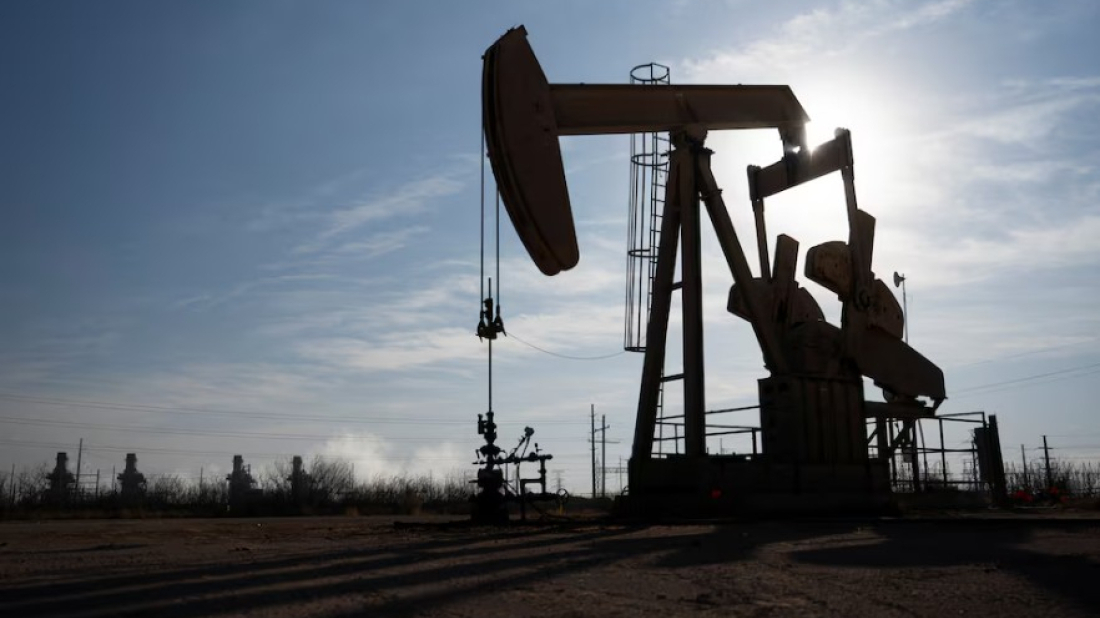
Oil prices were also buoyed by an Energy Information Administration forecast on Tuesday that the U.S. will produce less oil in 2025 than previously expected, as declining oil prices have prompted U.S. producers to slow activity.
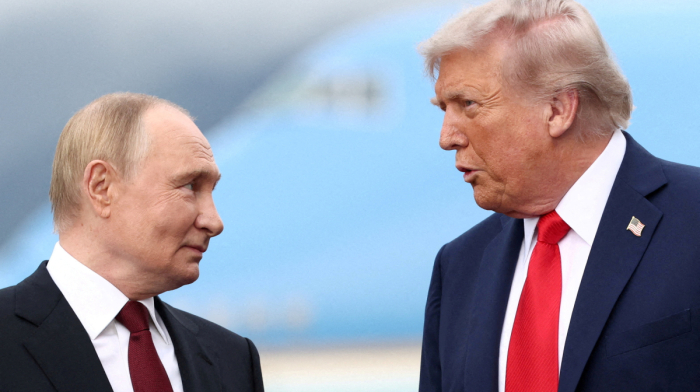
On Tuesday, U.S. President Donald Trump said he would announce a 50% tariff on copper, aiming to boost U.S. production of a metal critical to electric vehicles, military hardware, the power grid and many consumer goods.
The announcement came as Trump delayed a deadline for some tariffs to 1 August, providing some hope to major trade partners that deals to ease duties could still be reached, though that left many companies still uncertain on the path forward.
While there is concern that the tariffs could curb demand for oil, more immediately there was strong travel demand during the U.S. 4 July holiday weekend, while data also showed possible crude inventory builds in the U.S. of around 7.1 million barrels.
With the Red Sea strikes and higher U.S. holiday fuel consumption during summer, "the idea of ample future supply must give way to short-term considerations," said a research note from oil broker PVM.
Official inventories data from the U.S. Energy Information Administration is scheduled for release at 1430 GMT.
OPEC+ oil producers were set for another big output boost for September as they complete both the unwinding of voluntary production cuts by eight members, and the United Arab Emirates' move to a larger quota, five sources said.
This followed a Saturday announcement from the group approving a 548,000 barrels per day supply increase for August.
"Oil prices have stayed surprisingly resilient in the face of accelerated OPEC+ supply additions," said DBS Bank's energy sector team lead Suvro Sarkar.
United Arab Emirates' Energy Minister Suhail al-Mazrouei said on Wednesday oil markets were absorbing OPEC+ production increases without building inventories, which means they are thirsty for more oil.
"You can see that even with the increases for several months we haven't seen a major buildup in inventories, which means the market needed those barrels," he said.




















What is your opinion on this topic?
Leave the first comment