Nigeria approves $128 million payment for gas debts in bid to boost power supply
Nigeria has approved the payment of 185 billion naira ($128 million) to clear longstanding debts owed to gas producers, a move aimed at restoring conf...
India and China announced on Tuesday plans to resume direct flights and enhance trade and investment as they cautiously rebuild ties following their 2020 border clash, though key border issues remain unresolved.
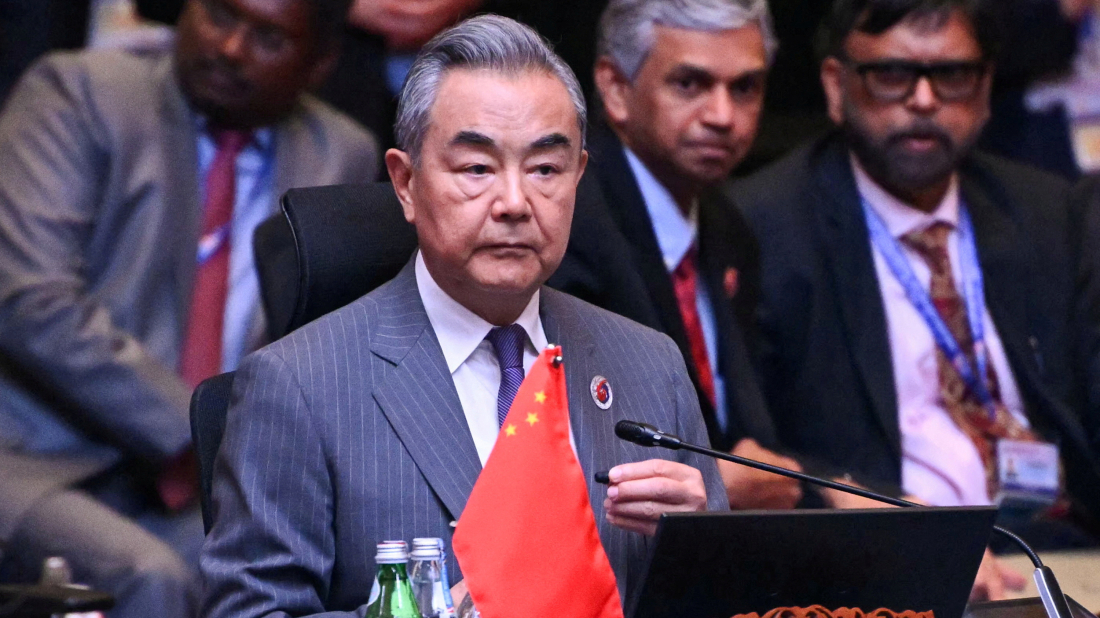
The announcement came at the close of Chinese Foreign Minister Wang Yi's two-day visit to New Delhi, where he met Indian National Security Advisor Ajit Doval for the 24th round of talks on their longstanding border dispute.
The discussions included troop withdrawals, border delimitation, and boundary affairs, but no major breakthroughs were reported.
Both sides agreed to meet again in China in 2026. Direct flights, suspended since 2020 due to the COVID-19 pandemic, will be resumed, though no date was set.
"Stable, predictable, constructive ties between India and China will contribute significantly to regional as well as global peace and prosperity," Prime Minister Narendra Modi posted on X after meeting Wang.
Wang Yi stressed that strengthening mutual trust and expanding cooperation serves the fundamental interests of both nations.
India also raised concerns about China’s Yarlung Zangbo dam in Tibet, which could affect water flow into India and Bangladesh.
China maintains the project poses minimal environmental risk, but India and Bangladesh have sought greater transparency. Wang also addressed India’s requests for fertilisers, rare earths, and tunnel boring machines.

For nearly three decades following the dissolution of the Soviet Union, the international system was defined by a singular, overwhelming reality: American unipolarity.
Chinese scientists have unveiled a new gene-editing therapy that they say could lead to a functional cure for HIV, making it one of the most promising developments in decades of global research.
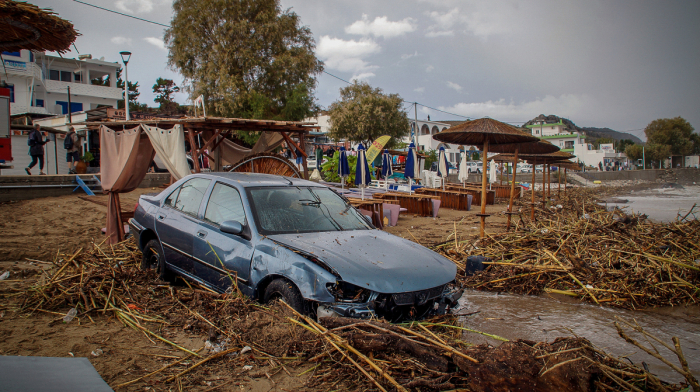
Faced with mounting public outrage following one of the deadliest environmental disasters in the nation’s recent history, the Indonesian government has pledged to investigate and potentially shut down mining operations found to have contributed to the catastrophic flooding on Sumatra.
As the year comes to an end, a new initiative bringing civil society actors and regional analysts from Armenia and Azerbaijan together is steadily gaining ground.
Uzbekistan has reopened its border with Afghanistan for the first time since 2021, the country’s Chamber of Commerce and Industry announced on Tuesday.
The United Kingdom and Norway have unveiled a new joint naval initiative designed to protect undersea infrastructure and counter increased Russian submarine activity in the North Atlantic.
Nigeria has approved the payment of 185 billion naira ($128 million) to clear longstanding debts owed to gas producers, a move aimed at restoring confidence in the country’s energy market and improving electricity supply.
Slovenia has become the latest country to pull out of next year’s Eurovision Song Contest, joining Ireland, Spain and the Netherlands in a widening boycott triggered by the European Broadcasting Union’s (EBU) decision to allow Israel to participate.
A UK public inquiry concluded on Thursday that Russian President Vladimir Putin must have ordered the 2018 Novichok nerve agent attack on former Russian double agent Sergei Skripal, describing it as a "reckless" display of power that led to the tragic death of an innocent woman.
Israel was given the green light to participate in the 2026 Eurovision Song Contest on Thursday, after the organising body decided not to hold a vote on its inclusion, despite threats of boycotts from some countries over the Gaza conflict.
You can download the AnewZ application from Play Store and the App Store.
What is your opinion on this topic?
Leave the first comment