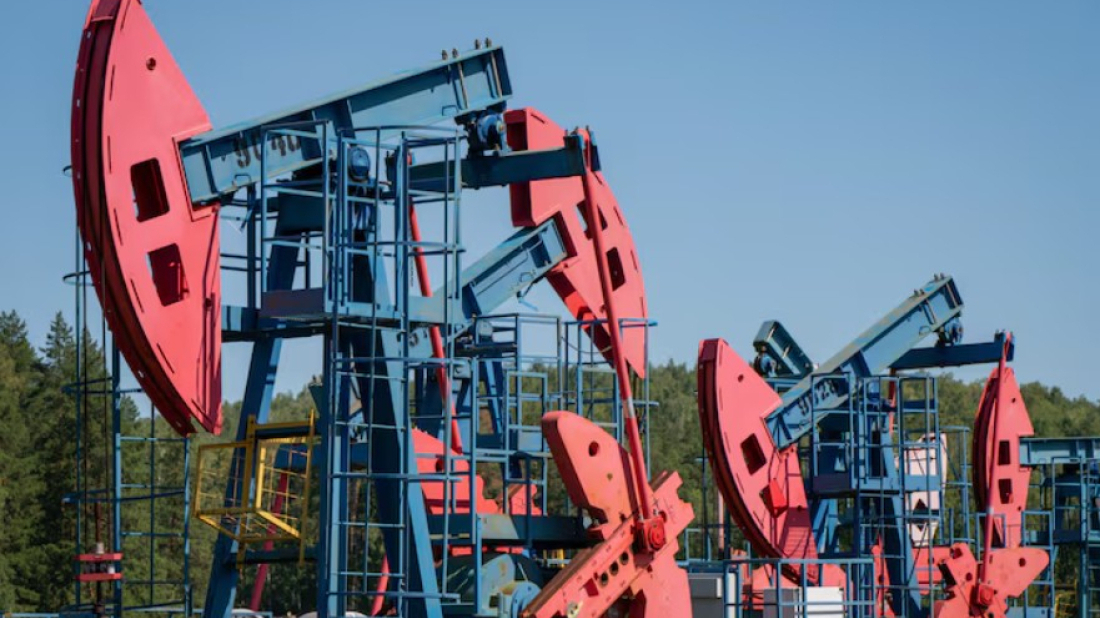
Oil prices rose on Monday after the United States clinched a trade deal with the European Union and may extend a tariff pause with China, relieving concerns that higher levies could have hurt economic activity and limited fuel demand.
Brent crude futures inched up 20 cents, or 0.29%, to $68.64 a barrel by 0336 GMT, while U.S. West Texas Intermediate crude stood at $65.31 a barrel, up 15 cents, or 0.23%.
"The U.S.-European Union trade deal and a possible extension in the U.S.-China tariff pause are supporting global financial markets and oil prices," IG markets analyst Tony Sycamore said.
"With the risk of a prolonged trade war and the importance of the August tariff deadlines being steadily defused, markets have responded positively," he added in a note.
Sunday's U.S.-EU framework trade pact sets an import tariff of 15% on most EU goods, half the threatened rate. The deal averted a bigger trade war between two allies that account for almost one-third of global trade and could crimp fuel demand.
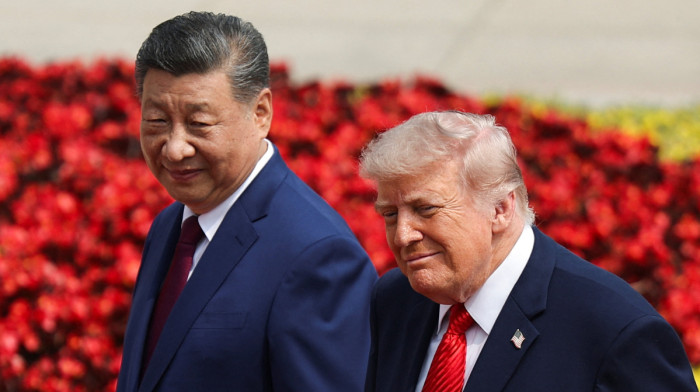
Also set for Monday is a meeting in Stockholm of senior U.S. and Chinese negotiators aiming to extend before an 12 August deadline a truce holding off sharply higher tariffs.
Oil prices settled on Friday at their lowest in three weeks weighed down by global trade concerns and expectations of more oil supply from Venezuela.
State-run oil company PDVSA is readying to resume work at its joint ventures under terms similar to Biden-era licenses, once U.S. President Donald Trump reinstates authorisations for its partners to operate and export oil under swaps, company sources said.
Though prices were up slightly on Monday, gains were limited by the prospect of OPEC+ further easing supply curbs.
A market monitoring panel of the Organization of the Petroleum Exporting Countries (OPEC) and their allies is set to meet at 1200 GMT on Monday.
It is unlikely to recommend altering existing plans by eight members to raise oil output by 548,000 barrels per day in August, four OPEC+ delegates said last week, though another source said it was too early to say.
ING expects OPEC+ will at least complete the full return of 2.2 million barrels per day of the additional voluntary supply cuts by the end of September.
That would work out to a supply hike in September of at least 280,000 barrels per day. However, there is clearly room for a more aggressive hike according to experts.
The producer group is keen to recover market share while summer demand is helping to absorb the extra barrels.
JP Morgan analysts said global oil demand rose by 600,000 bpd in July on year, while global oil stocks rose 1.6 million bpd.
In the Middle East, Yemen's Houthis said on Sunday they would target ships of companies that do business with Israeli ports, regardless of nationality, in what they called a fourth phase of military operations against Israel over the Gaza conflict.
















What is your opinion on this topic?
Leave the first comment