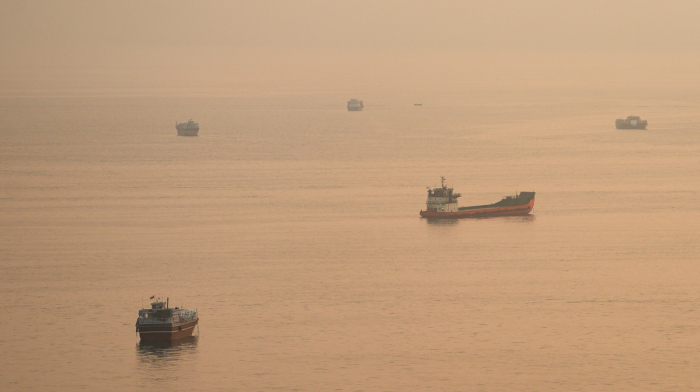
live Trump urges action at Strait of Hormuz as 20,000 sailors stranded- Middle East, 31 March
The Iran-U.S.-Israel conflict is escalating further with missile and drone attacks, expanded strikes on key infrastructure, and growing regional fa...
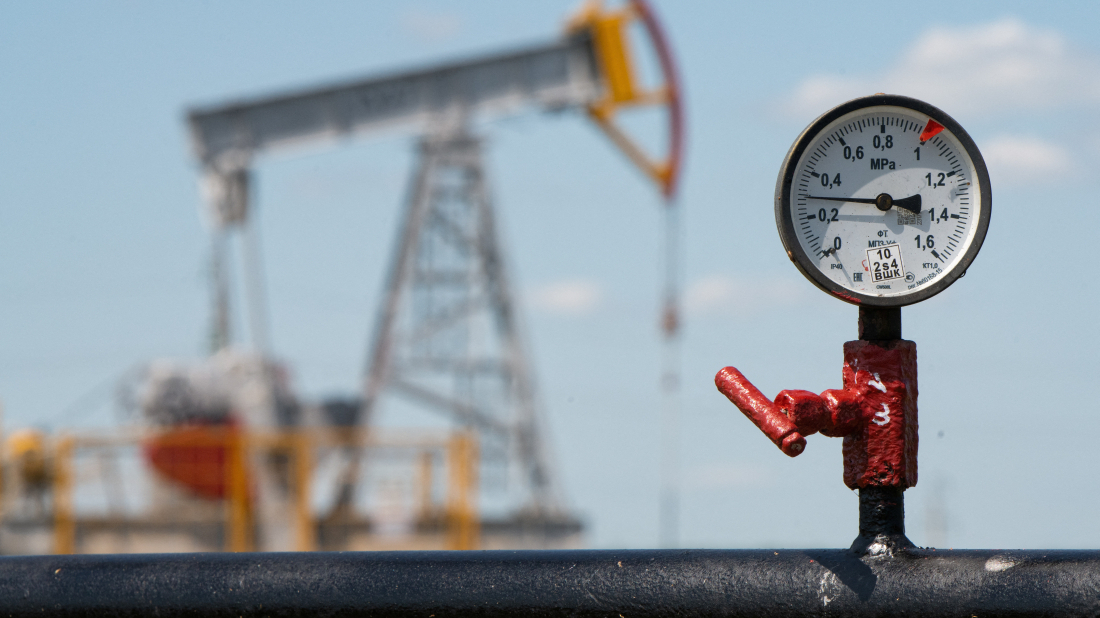
Kuwait says oil prices will likely stay below $72 per barrel as OPEC monitors global supply trends and U.S. policy signals. The remarks come during market uncertainty fueled by new U.S. tariffs on India and possible sanctions on Russia.
"Through OPEC, we are monitoring the market in terms of supply and demand, and we are monitoring the U.S. President’s statements," Kuwait's Oil Minister Tariq Al-Roumi stated on Thursday.
Al-Roumi told reporters that oil prices are expected to stay below $72 per barrel and described the current market as healthy, with moderate demand growth.
Oil prices dipped by around 1% on Wednesday, hitting an eight-week low after Trump suggested progress in talks with Moscow, raising doubts about further U.S. sanctions.
Trump has warned that additional sanctions could be imposed if the war in Ukraine continues.
On the same day, Washington announced a 25% tariff on Indian imports, citing India’s ongoing purchases of Russian oil.
Sheikh Nawaf S. Al-Sabah, CEO of Kuwait Petroleum Corporation, confirmed that Kuwait is producing its current OPEC quota of 2.548 million barrels per day (bpd) but has the capacity to produce more if needed.

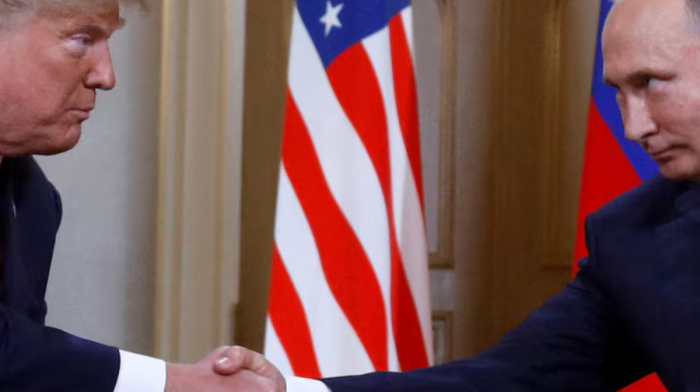
U.S. President Donald Trump has said that the U.S is in talks with the new Iranian regime. He said this in a post on his Truth Social account but warned that the U.S. will "Obliterate" Iran's electric and oil facilities if no deal is reached, especially regarding the Strait of Hormuz closure.
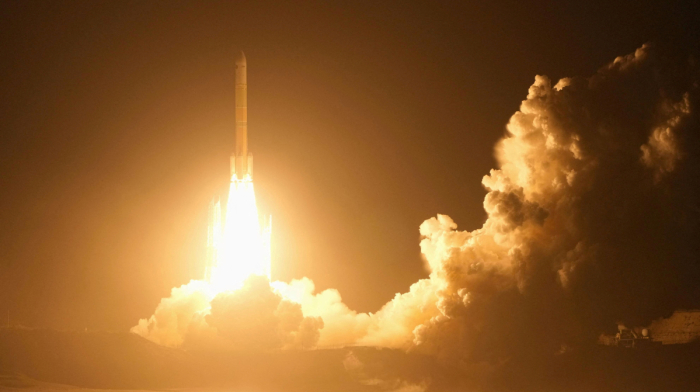
NASA is aiming to launch its Artemis 2 mission on Wednesday (1 April), sending astronauts on a 10-day journey around the Moon, officials confirmed. According to the Space Administration, the launch window is due to open at 23:24 GMT, with additional opportunities to 6 April if delays occur.
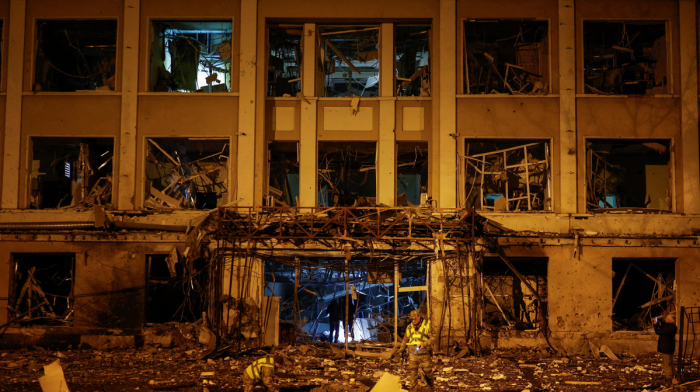
The Iran-U.S.-Israel conflict is escalating further with missile and drone attacks, expanded strikes on key infrastructure, and growing regional fallout. At the same time, diplomatic efforts to de-escalate began to emerge amid rising global energy and security concerns.
The Israeli military said on Monday that Iran launched multiple waves of missiles at Israel, and an attack had also been launched from Yemen for the second time since the U.S.-Israeli war began on Tehran. It said two drones from Yemen were intercepted early 30 March but gave no further details.
The war in Iran has rapidly upended regional security, triggering spillover across the Middle East and raising fears of wider economic disruption that could threaten globalisation.
The U.S. national average retail price of petrol rose above $4 a gallon for the first time in over three years on Monday (30 March), according to GasBuddy data, as the U.S.–Israeli war with Iran continued to roil global energy markets.
Japan and Indonesia will deepen coordination on energy security, Tokyo said, as the U.S.-Israeli war on Iran disrupts vital oil and gas flows to Asia.
China's three largest state-owned airlines have issued warnings regarding their financial outlook for the current year, acknowledging that the eruption of war involving Iran has driven jet fuel prices to unsustainable highs.
Stock markets across Asia fell on Monday as escalating conflict involving Iran drove oil prices sharply higher, fuelling fears of inflation and a potential global recession, with investors reacting to disruption risks in the Strait of Hormuz and prolonged hostilities.
World Trade Organization (WTO) talks broke up with no agreement on Monday on a plan for reform or even on extending a moratorium on e-commerce, piling more pressure on the trade body that finds itself increasingly sidelined by economic nationalism.
You can download the AnewZ application from Play Store and the App Store.
What is your opinion on this topic?
Leave the first comment