PM Starmer: 'a united front' needed to open Strait of Hormuz as UK hosts talks with 35 countries
Britain will explore ways to reopen the Strait of Hormuz by hosting talks on Thursday (2 April) with 35 countries after President Donald Trump said...
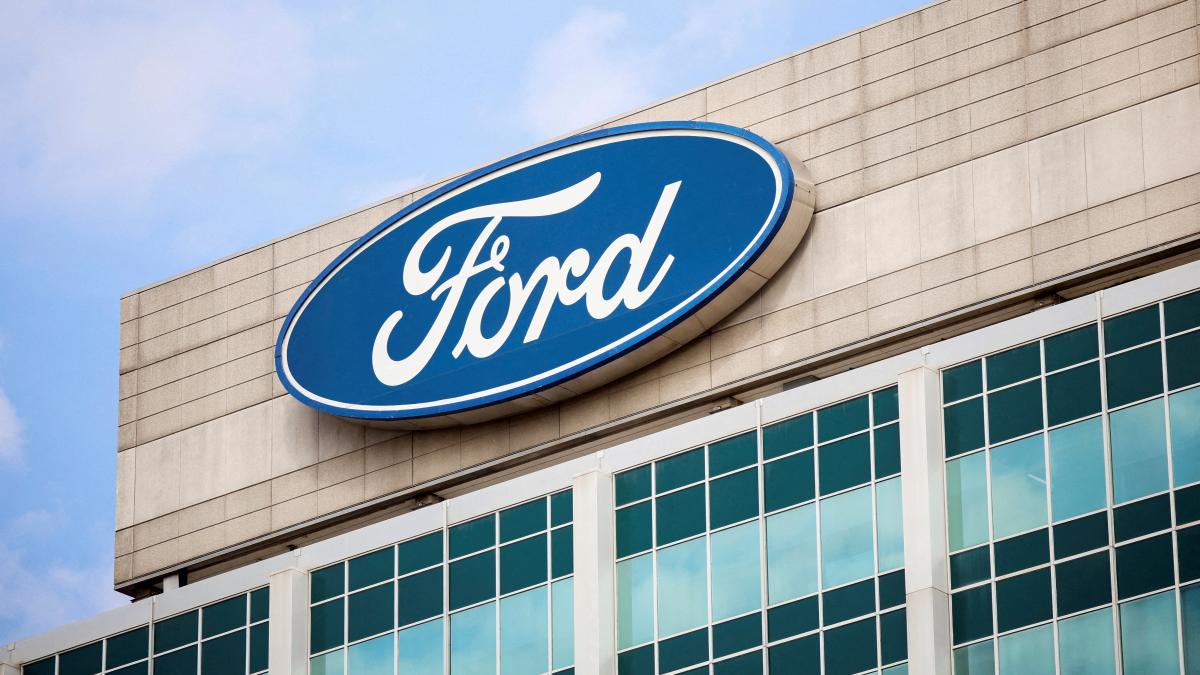
Ford Motor Company said on Monday it will take a $19.5 billion writedown and scrap several electric vehicle (EV) models, marking a major retreat from its battery-powered ambitions amid declining EV demand and changes under the Trump administration.
The Dearborn, Michigan-based automaker says it will end production of the F-150 Lightning in its current electric form and instead pivot to an extended-range electric model (EREV), which uses a gas-powered generator to recharge the battery. Ford also cancelled its next-generation electric truck, codenamed the T3, and planned electric commercial vans.
“Ford is refocusing on gas, hybrid, and extended-range EVs,” the company said, noting the shift will eventually create thousands of jobs, despite some near-term layoffs at a Kentucky battery plant. Ford expects its global mix of hybrids, extended-range EVs, and pure EVs to reach 50% by 2030, up from 17% today.
The $19.5 billion writedown will be spread over the fourth quarter of 2025, continuing into 2027. About $8.5 billion is linked to cancelled EV models, $6 billion to the dissolution of a battery joint venture with South Korea’s SK On, and $5 billion to programme-related expenses.
Ford raised its 2025 guidance for adjusted earnings before interest and taxes to about $7 billion, up from $6 billion–$6.5 billion.
The move reflects broader industry trends as U.S. EV sales falter. November EV sales fell roughly 40% following the September expiry of the $7,500 federal tax credit. Trump-era policies also reduced federal EV incentives and eased fuel-efficiency rules, encouraging automakers to focus on gas-powered models.
The F-150 Lightning, launched in 2022 with high-profile promotions, saw sales of 25,583 units through November, down 10% from a year earlier, despite initial production to meet 200,000 orders. The planned T3 EV pickup will be replaced by new gas-powered trucks starting in 2029 at Ford’s Tennessee plant.
Ford’s second-generation EV lineup is effectively paused. Future EVs will target affordability, with a midsize model priced around $30,000 planned for release in 2027 from Ford’s California “skunkworks” team, to be built at the Louisville plant.
“This is not for PR or for Wall Street. We built a truck so people can use it in their daily lives,” Ford said in a statement, underscoring the company’s shift toward practical and hybrid solutions.
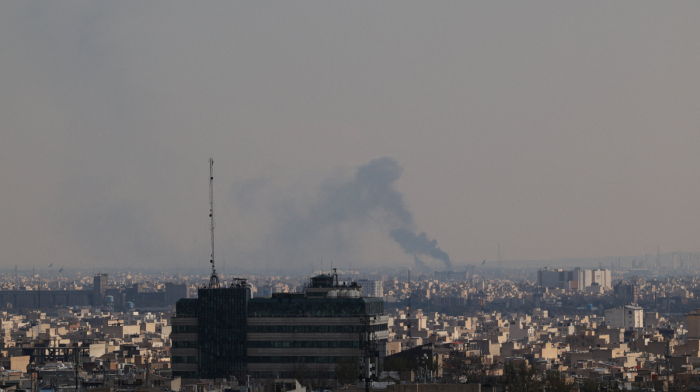
The Iran-U.S.-Israel conflict is intensifying, with fresh strikes near Tehran, European calls for restraint, and Iran threatening to target U.S. firms in the region, raising fears of a broader escalation across the Middle East.
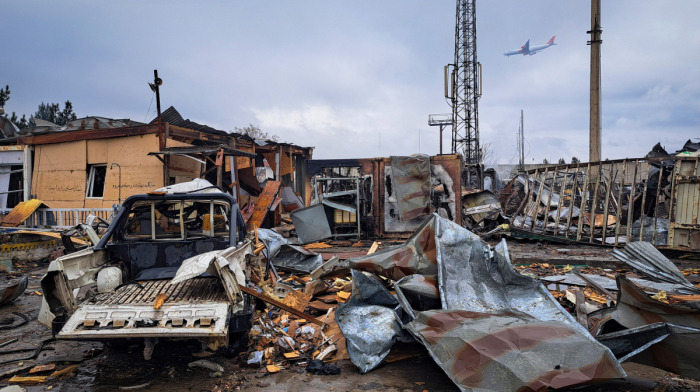
There are fears of an oil spill after a drone strike hit a Kuwaiti oil tanker near Dubai on Tuesday, while U.S.-Israeli strikes in Iran reportedly killed at least two people. A loud explosion was heard in Beirut in southern Lebanon early Wednesday, as oil prices climbed above $100 a barrel.
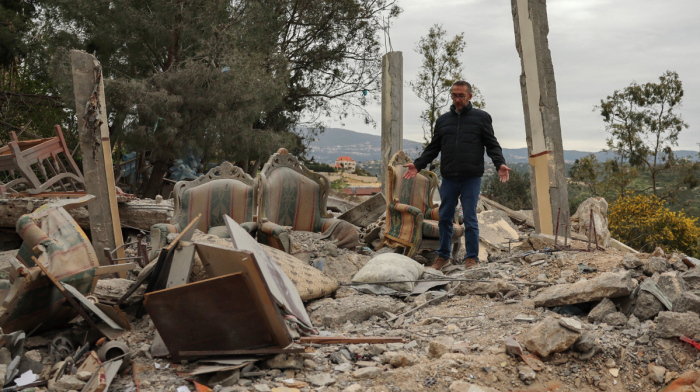
Fears of wider escalation grow despite President Donald Trump saying U.S. strikes on Iran could end within weeks. Meanwhile missile attacks, tanker incidents and rising casualties across Israel, Lebanon and the Gulf heighten risks to regional stability and energy routes.
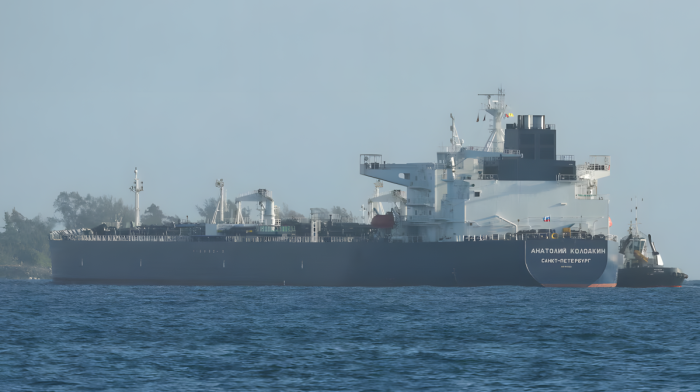
Russian-flagged tanker carrying approximately 700,000 barrels of crude oil docked at Cuba's Matanzas oil terminal on Tuesday, shipping data confirmed, marking a vital and controversial delivery to an island paralysed by severe energy shortages and a suffocating U.S. blockade.
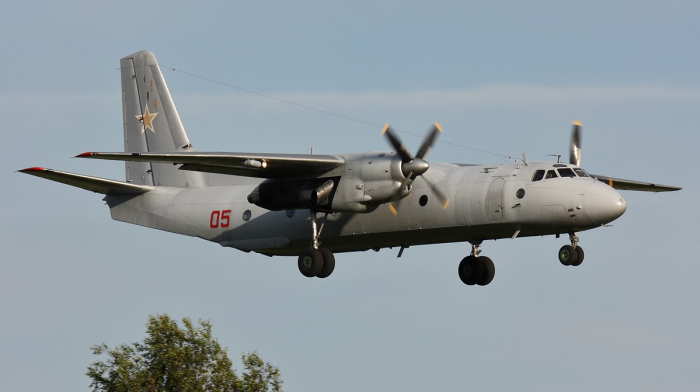
A Russian military An-26 aircraft has crashed in Crimea, killing all 30 people on board, Russia’s Defence Ministry has confirmed.
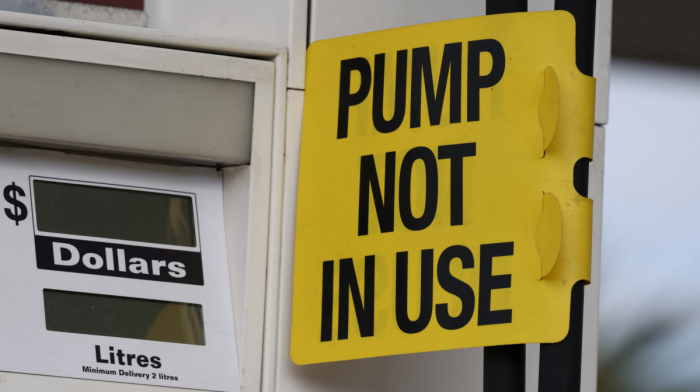
The U.S. national average retail price of petrol rose above $4 a gallon for the first time in over three years on Monday (30 March), according to GasBuddy data, as the U.S.–Israeli war with Iran continued to roil global energy markets.
Japan and Indonesia will deepen coordination on energy security, Tokyo said, as the U.S.-Israeli war on Iran disrupts vital oil and gas flows to Asia.
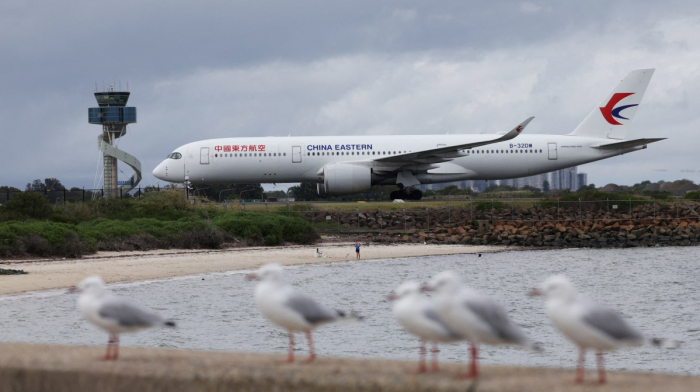
China's three largest state-owned airlines have issued warnings regarding their financial outlook for the current year, acknowledging that the eruption of war involving Iran has driven jet fuel prices to unsustainable highs.
Stock markets across Asia fell on Monday as escalating conflict involving Iran drove oil prices sharply higher, fuelling fears of inflation and a potential global recession, with investors reacting to disruption risks in the Strait of Hormuz and prolonged hostilities.
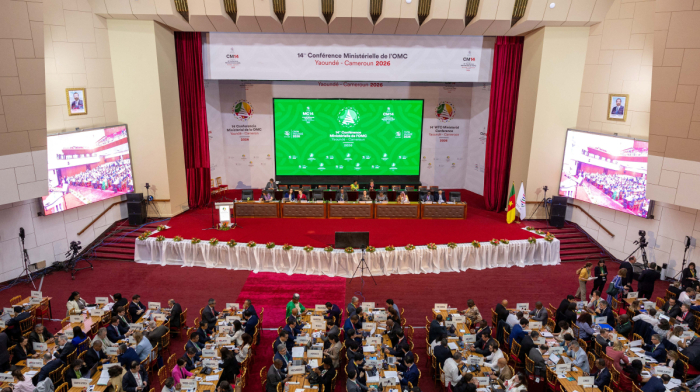
World Trade Organization (WTO) talks broke up with no agreement on Monday on a plan for reform or even on extending a moratorium on e-commerce, piling more pressure on the trade body that finds itself increasingly sidelined by economic nationalism.
You can download the AnewZ application from Play Store and the App Store.
What is your opinion on this topic?
Leave the first comment