China expressed strong dissatisfaction and firm opposition to what it described as smears and slanders targeting Hong Kong’s judicial system, following international criticism of the guilty verdict handed down to media tycoon and pro-democracy campaigner Jimmy Lai on Monday (15 December).
China’s foreign ministry did not name any countries but urged relevant nations to respect China’s sovereignty and Hong Kong’s legal system.
Spokesperson Guo Jiakun told reporters, “We urge the relevant countries to not make irresponsible remarks on the trial of judicial cases in Hong Kong and not to interfere in Hong Kong’s judiciary or China’s internal affairs in any form.”
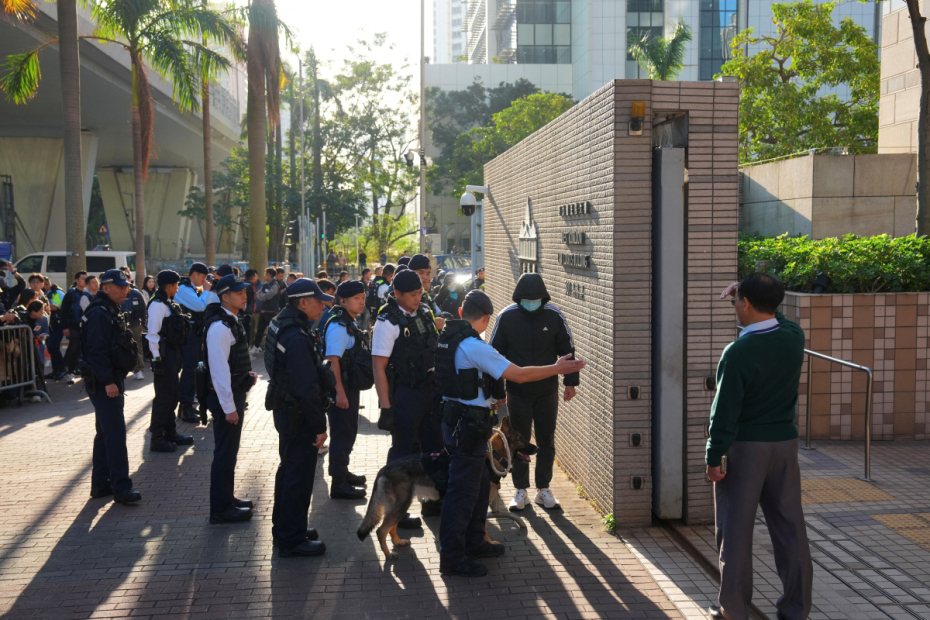
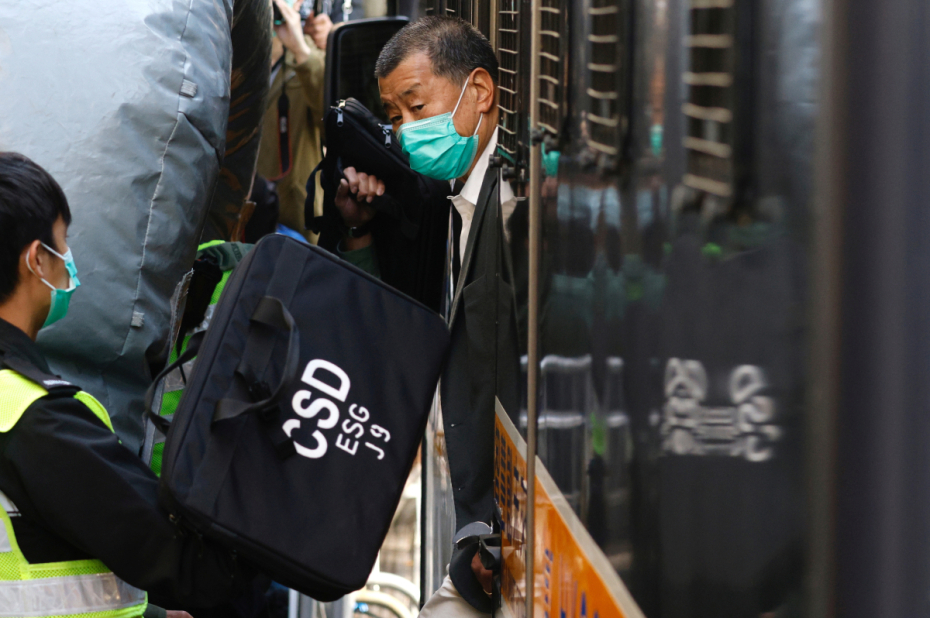
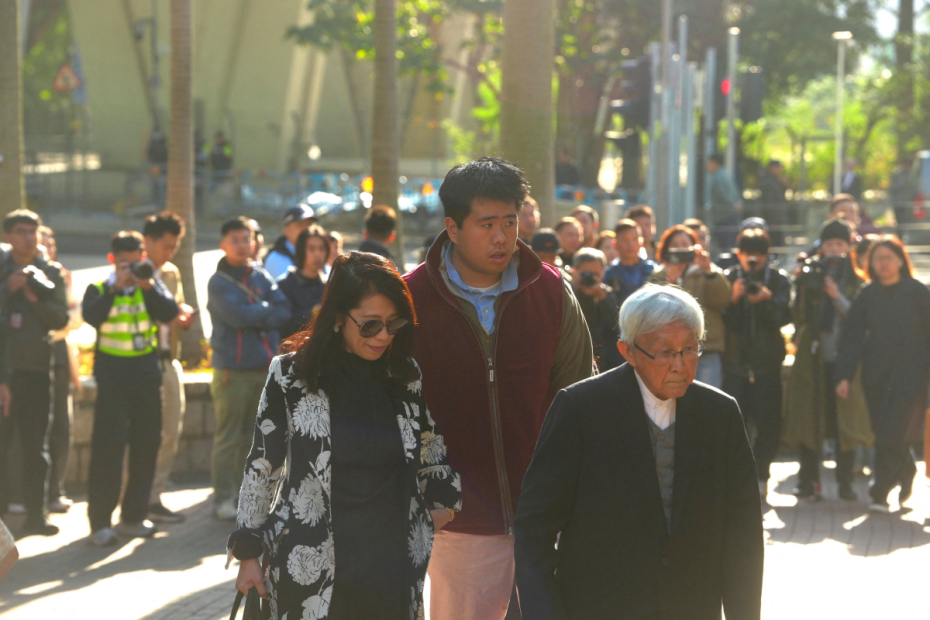
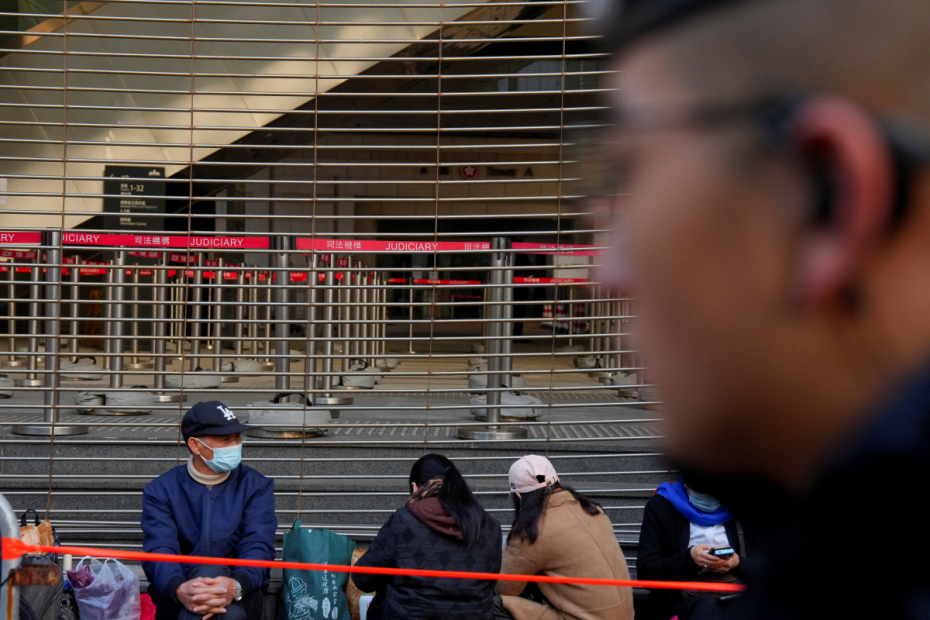
Hong Kong’s High Court on Monday found Lai guilty of conspiracy to collude with foreign forces and conspiracy to publish seditious material in the city’s highest-profile trial under a China-imposed national security law, a ruling that could see the 78-year-old jailed for life.
“There is no doubt that Lai had harboured his resentment and hatred of China for many of his adult years,” Judge Esther Toh told a packed courtroom.
Judges Alex Lee and Susana D’Almada Remedios also sat on the panel. Lai, founder of the now-shuttered Apple Daily, wore a pale green jumper and grey jacket, sitting with his arms folded.
The landmark case has intensified scrutiny over Hong Kong’s judicial independence amid a years-long crackdown on political dissent following the 2019 pro-democracy protests. Supporters view Lai as a champion of press freedom, while Beijing regards him as a key figure behind the protests and a conspirator advocating for U.S. sanctions against Hong Kong and the mainland.
He's already spent nearly five years in detention facing multiple legal proceedings under the sweeping national security law. A pre-sentencing hearing is scheduled for 12 January, where Lai may request leniency. His lawyer, Steven Kwan, said the decision to appeal would follow the sentencing.
Hong Kong leader John Lee and national security police chief Steve Li expressed support for the verdict.
“The Judiciary is confident and unafraid of any intimidation and firmly discharges its responsibility to safeguard national security,” Lee said.
International criticism
Rights groups and foreign governments have criticised the verdict. The UK called Lai’s prosecution politically motivated and demanded his immediate release. The U.S. has repeatedly raised his case with Chinese authorities, including President Donald Trump’s discussion with his counterpart Xi Jinping in October.
Beh Lih Yi, Asia-Pacific director of the Committee to Protect Journalists, described the verdict as a “sham conviction” and “a disgraceful act of persecution,” saying Lai’s only crime was defending democracy through journalism.
Amnesty International and other pro-democracy activists also condemned the outcome.
China defends verdict
Chinese and Hong Kong officials have maintained that Lai received a fair trial, arguing that the national security law applies equally to all and that freedoms are not absolute when national security is at stake.
China’s national security office in Hong Kong described Lai as a “pawn of external anti-China forces” seeking to instigate a “colour revolution” in the city.
Lai’s family say his health has deteriorated after more than 1,800 days in solitary confinement, suffering from diabetes, high blood pressure, and heart palpitations.
The case marks a pivotal moment in Hong Kong’s post-protest era, with the city’s largest opposition party, the Democratic Party, disbanding under pressure from Beijing, signalling the near disappearance of organised democratic opposition.
The verdict comes amid heightened sensitivity in Hong Kong, still reeling from a deadly fire last month that claimed at least 160 lives. Authorities have warned against any attempts to use the tragedy to incite unrest or revive pro-democracy protests.













What is your opinion on this topic?
Leave the first comment