Nigeria has approved the payment of 185 billion naira ($128 million) to clear longstanding debts owed to gas producers, a move aimed at restoring confidence in the country’s energy market and improving electricity supply.
The payment will address arrears owed for gas supplies to power generators, which have long been a barrier to investment and a source of financial strain on the sector.
The decision was made by the National Economic Council, chaired by Vice President Kashim Shettima, following a directive from President Bola Tinubu to settle these outstanding debts. The Minister of State for Petroleum, Ekperikpe Ekpo, described the settlement as a "decisive step" toward revitalizing Nigeria’s gas sector and stabilizing electricity output. This move, according to Ekpo, is aligned with the government’s broader objective to nearly double the country’s gas output to 12 billion cubic feet per day by 2030.
The debt settlement will be implemented through a "royalty-offset arrangement," designed to reduce the financial burden on gas producers and improve cash flow within the energy sector. The arrangement is seen as a critical measure in addressing the challenges that have plagued Nigeria’s energy infrastructure, including frequent electricity shortages that have disrupted business operations and slowed economic growth for years.
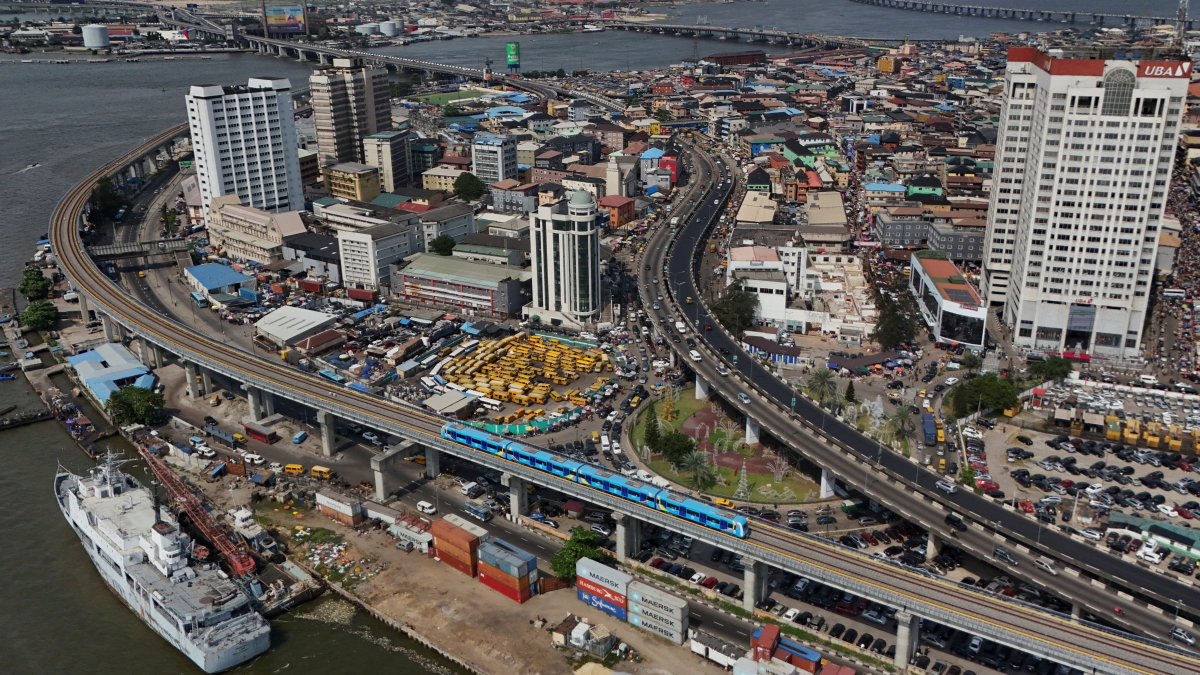
Nigeria, the most populous country in Africa, has long struggled with an unreliable electricity supply, which has been a significant obstacle to development. Power outages and inadequate electricity generation have hindered industrial and commercial activities, affecting everything from small businesses to large manufacturers.
With this new initiative, the Nigerian government aims to improve the reliability of the country's electricity supply and create an environment conducive to attracting further investment in the energy sector. Clearing the gas payment arrears is expected to facilitate a more stable supply of gas to power plants, which, in turn, should enhance electricity generation capacity and support economic recovery.
By taking this step, Nigeria hopes to not only address immediate challenges in the energy sector but also build a more sustainable and efficient power generation infrastructure in the long term, contributing to the nation’s overall economic growth and stability.













What is your opinion on this topic?
Leave the first comment