AnewZ Morning Brief - 6 February, 2026
Start your day informed with AnewZ Morning Brief: here are the top news stories for the 6th of February, covering the latest developments you need to ...
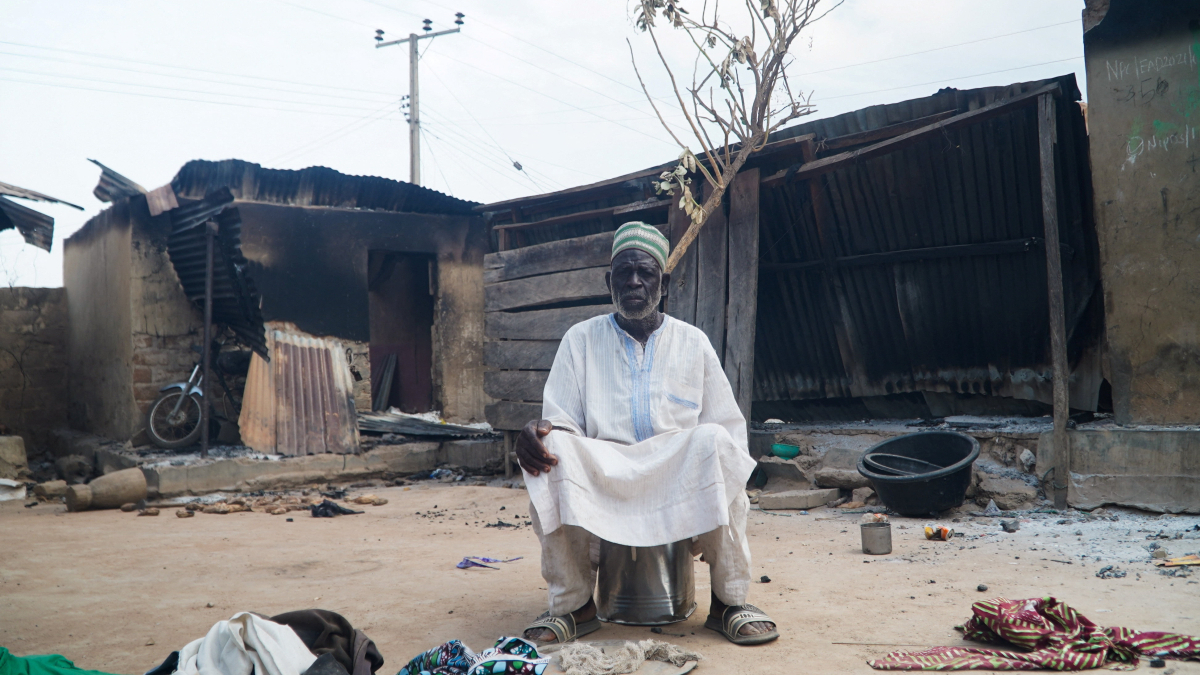
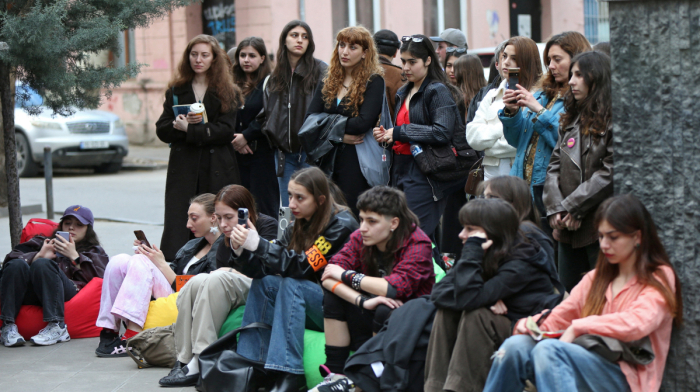
Security services say they have now rescued all 166 worshippers who were kidnapped by gunmen during attacks on two churches in northern Nigeria last month, a Christian group said on Thursday (5 February).
The Christian Association of Nigeria (CAN) credited the power of prayer and the military for the success of the operations in Kaduna state, but did not go into details on how the churchgoers were freed or when.
The military, the police and the local government in Kaduna did not immediately respond to requests for comment.
CAN, which represents congregations across Nigeria, said gunmen stormed the churches on 18 January, seized 177 worshippers and dragged them into nearby forests. Eleven escaped, leaving 166 missing, it said.
It was the latest in a series of reported attacks and abductions in the north that have drawn the attention of U.S. President Donald Trump, who has accused Nigeria's government of failing to protect Christians - a charge Abuja denies.
U.S. forces struck what they described as terrorist targets in northwest Nigeria on 25 December.
There have been conflicting accounts of the churchgoers' fate. Police initially said no kidnapping took place, then said on Monday 80 of those listed as abducted had fled to nearby villages during the raid and since returned to their homes.
The police and CAN often offer different figures and accounts on church kidnappings.
On Thursday, the Rev. John Hayab, head of CAN's northern chapter, said he could confirm that all the churchgoers had now been freed "after all the drama and disagreements", referring to the police’s initial denial of the kidnapping.
"What we know is that they have been rescued. Nobody asked us to gather any money, and nobody collected a penny from us," he said.
"Of course, the bandits still have their demands, but we did not have any amount to give them," he added.
CAN's leader in Kaduna, the Rev. Caleb Ma'aji, also said the churchgoers had been released and that he had just returned from the government house in Kaduna where the governor was set to receive them.
"The stage is set for them to be brought ... His Excellency will meet with them. This is a result of the prayers we have offered,” he said.
The Nigerian authorities say they are cooperating with Washington to improve security and have denied there is systematic persecution of Christians.

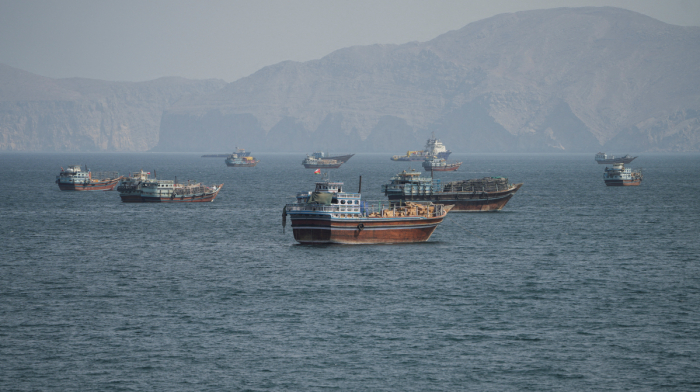
Iran’s Islamic Revolutionary Guard Corps (IRGC) unveiled a new underground ballistic missile base on Wednesday (4 February), just over a day before the start of mediated nuclear negotiations with the United States, slated for Friday in Oman.
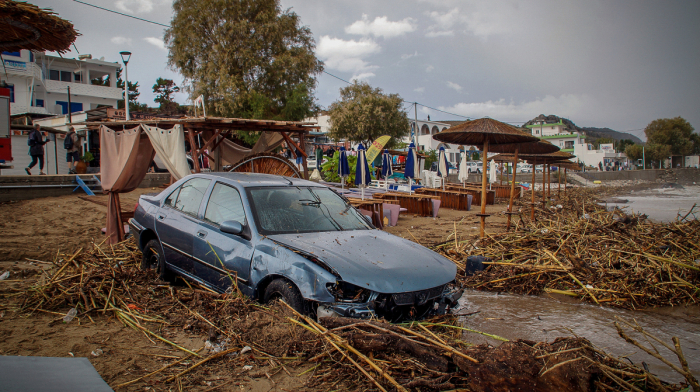
Rivers and reservoirs across Spain and Portugal were on the verge of overflowing on Wednesday as a new weather front pounded the Iberian peninsula, compounding damage from last week's Storm Kristin.
Morocco has evacuated more than 100,000 people from four provinces after heavy rainfall triggered flash floods across several northern regions, the Interior Ministry said on Wednesday.
The World Health Organization has added the Nipah virus to its list of the world’s top 10 priority diseases, alongside COVID-19 and the Zika virus, warning that its epidemic potential highlights the global risk posed by fast-spreading outbreaks.
Uzbekistan is accelerating plans to expand uranium production and deepen international nuclear cooperation, positioning the sector as a pillar of long-term industrial growth and resource security.
Start your day informed with AnewZ Morning Brief: here are the top news stories for the 6th of February, covering the latest developments you need to know.
Iran and the United States are set to hold high-stakes negotiations in Oman on Friday (6 February) over Tehran’s nuclear programme. However, disputes over the agenda, particularly Iran’s missile programme, suggest progress will be difficult.
The U.S. military said Washington and Moscow have agreed to reestablish high-level military-to-military dialogue following talks in Abu Dhabi. The move could signal a step toward normalising some ties between the United States and Russia.
U.S. President Donald Trump gave his “complete and total endorsement” of Japanese Prime Minister Sanae Takaichi on Thursday (5 February) ahead of Japan’s national election on Sunday, backing the country’s first female premier as she seeks a fresh mandate for controversial spending plans.
The U.S. and China are locked in a growing struggle over critical minerals, the materials that power everything from electric vehicles and microchips to missiles and advanced radar systems, as both sides move to secure control over supply chains that underpin economic and military power.
You can download the AnewZ application from Play Store and the App Store.
What is your opinion on this topic?
Leave the first comment