A former Apple engineer has unveiled a new Chinese chip designed to compete directly with Apple’s Vision Pro headset.
Wang Chaohao who founded GravityXR last week showcased China's first all-in-one mixed reality (MR) chip, the Jizhi G-X100.
Using an advanced 5-nanometre node, the chip, called the Jizhi G-X100, achieves a photon-to-photon latency of just 9 milliseconds, faster than the Vision Pro’s 12 milliseconds.
In practical terms, this means the chip can process and display visual information more quickly, creating smoother, more realistic virtual experiences.
Lower latency also helps reduce motion sickness or eye strain, which is especially important for users who wear XR (extended reality) headsets for longer periods.
The G-X100 is designed specifically for next-generation XR and AI wearable devices. It supports high-resolution visuals, low power consumption, and real-time sensing of the surrounding environment.
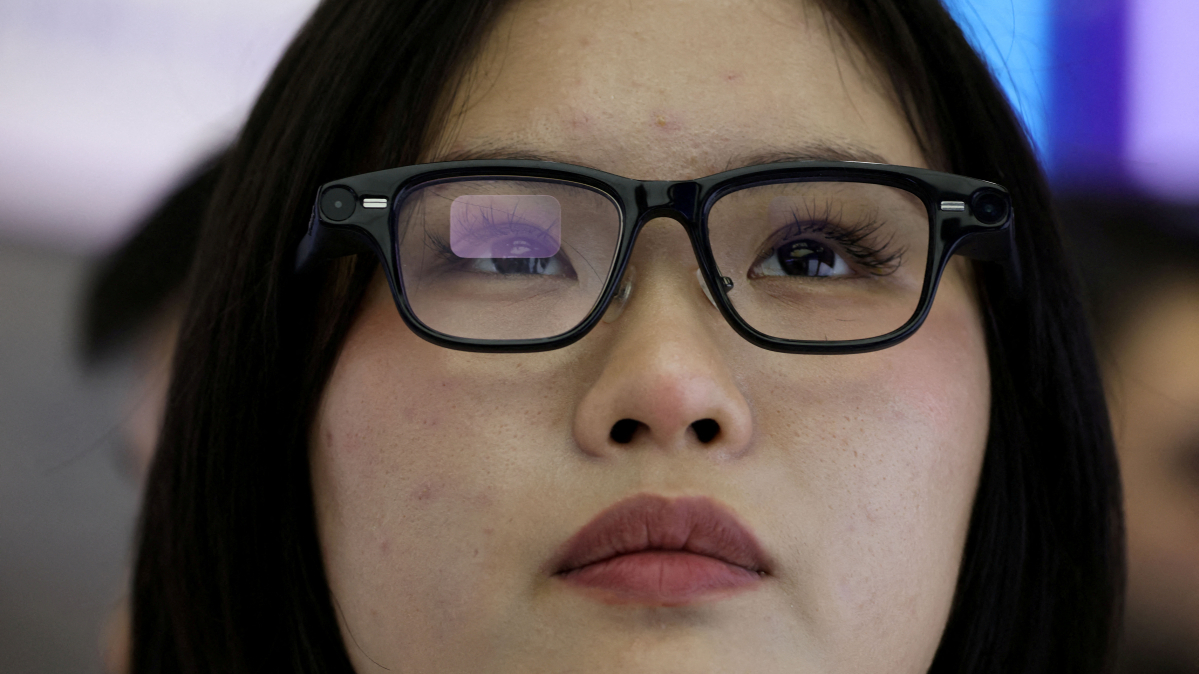
These features make it suitable for lighter, more comfortable headsets and smart glasses, a growing trend as companies try to make XR devices more wearable and practical for daily use.
China has been investing heavily in XR technology and semiconductors, but most domestic devices still rely on imported chips.
The launch of the G-X100 represents a major step toward creating home-grown solutions that could reduce dependence on foreign technology.
According to the company, several Chinese electronics brands have already expressed interest in testing the chip for upcoming products, signaling strong local demand.
Industry experts say that beating Apple in latency is only part of the challenge. Overall performance, software compatibility, and the ecosystem around the devices will be key to the chip’s success.
Apple’s Vision Pro benefits from deep integration between its hardware and software, which gives it a strong advantage in user experience.
Still, the G-X100 could provide smaller, faster, and more affordable alternatives for both consumers and developers.
The G-X100 is also a sign of the growing global race in spatial computing and immersive technology.
XR devices, including virtual and augmented reality headsets, are expected to become increasingly popular in gaming, education, healthcare, and workplace applications. A faster, lower-latency chip like the G-X100 could make these applications more practical and enjoyable for users.
For the Chinese tech industry, the launch is symbolic. It shows that domestic companies and engineers can produce advanced hardware capable of challenging international giants.
The Jizhi G-X100 may not replace the Vision Pro immediately, but it marks a step towards more diverse, innovative options in XR hardware. For consumers, it could mean lighter, faster, and potentially more affordable headsets.























What is your opinion on this topic?
Leave the first comment