




11:16 CET
Nuclear security
Georgia arrests man over attempted $700,000 uranium sale
Georgia has detained a man ...


Russian Deputy Prime Minister Alexei Overchuk visited Yerevan to participate in the Armenia-Russia Intergovernmental Commission meeting, as both countries review economic cooperation.
Dmitry Bridzhe, political analyst at the Russian International Affairs Council, speaking to AnewZ, noted that the visit is “not only a ceremonial event, it’s a working mechanism designed to keep economic relationships stable.”
The meeting comes as political relations between Russia and Armenia become increasingly complex.
Bridzhe emphasised that Armenia relies on Russia for its economy, production, and regional support, stating that “there were many agreements signed between the two parties because we know that Armenia needs Russia because of the Russian economy, because of Russian productions and other things that Russia provided to the region.”
Key sectors of Armenia-Russia economic cooperation include industry, energy, transportation, agriculture, healthcare, culture, science, education, and tourism.
Bridzhe highlighted that Armenia’s integration with the region and Russian companies’ involvement ensures the partnership remains strong.
He noted that “Armenia is in a good position…with good relationship with Russia regarding the cop-economical cooperation and regarding the different also levels of cooperation between two countries.”
Despite Western sanctions on Russia, Armenia-Russia economic ties remain largely unaffected due to pre-existing banking agreements and financial integration.
Bridzhe stated that “Armenia didn’t…have any issues regarding the agreements and regarding the cooperation between Russian and Armenian companies.”
However, he opined that Moscow viewed Armenia’s growing engagement with the EU and Western countries cautiously.
Bridzhe explained that Armenia-Russia relations will largely depend on Russian foreign policy and the broader Russia-U.S. relationship.
He added that the Ukrainian crisis continues to shape Russia’s regional approach and will influence future cooperation with Armenia and Western nations.

Georgia has detained a man ...
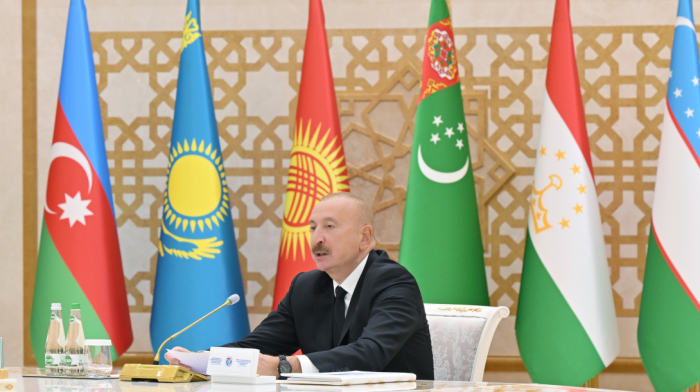
Azerbaijan and the five Central Asian states have signed two key documents at the 8th Consultative Meeting of Heads of State in Turkmenbashi, forma...
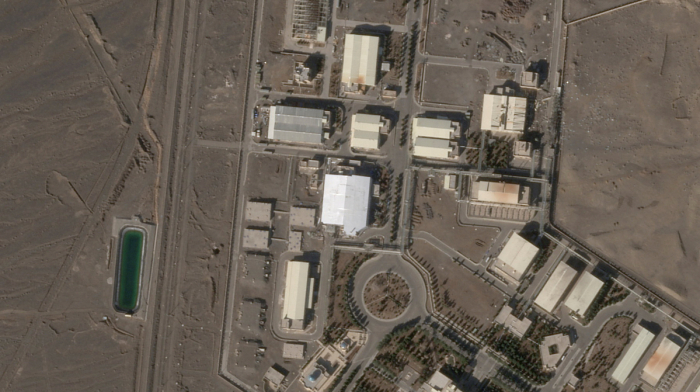
U.S. Vice President JD Vance told Reuters on Monday (5 October) that ...

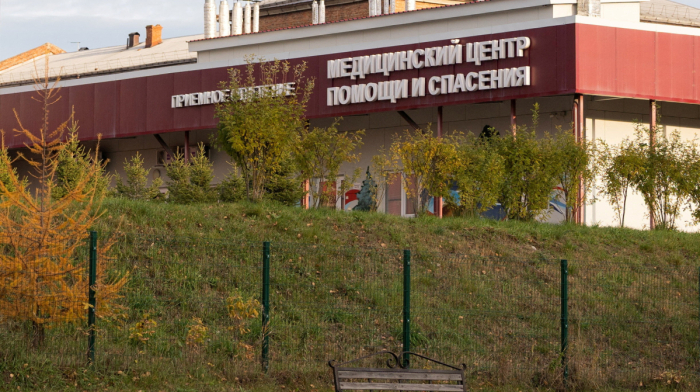
Russia's health watchdog said on Tuesday that no cases of plague had been detected among anyone who had come into contact with a Siberian plague institute laboratory worker who died last week, and locals said their lives had barely been disrupted.

Russia struck Ukraine overnight in one of the biggest attacks of the conflict, killing at least 19 people, Kyiv's Foreign Ministry said on Wednesday. Around 70 missiles were fired at Ukraine during the attack, as well as drones, the Ministry said.
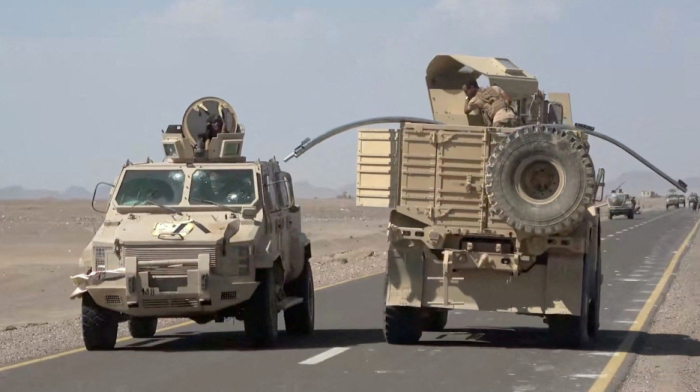
The Saudi-led coalition says it has carried out a series of military operations against Houthi targets in Yemen after attacks on two Saudi airports left three people dead and dozens injured.
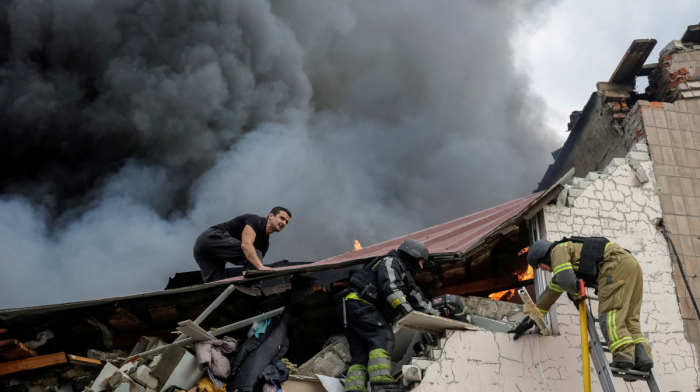
A large Ukrainian drone attack on Moscow and the surrounding region has killed two people, damaged homes and sparked a major fire at a key fuel facility, according to Russian officials and military bloggers.
Azerbaijan and the five Central Asian states have signed two key documents at the 8th Consultative Meeting of Heads of State in Turkmenbashi, formalising a broader framework for regional cooperation in transport, trade, energy, digitalisation and security.
Georgia has detained a man who planned to sell uranium-238 to a foreign national for $700,000, the national security service said on Wednesday.
Azerbaijan and the five Central Asian states have signed two key documents at the 8th Consultative Meeting of Heads of State in Turkmenbashi, formalising a broader framework for regional cooperation in transport, trade, energy, digitalisation and security.
U.S. Vice President JD Vance told Reuters on Monday (5 October) that Iran must make a “meaningful” reduction in its uranium enrichment capacity to satisfy U.S. demands and end the countries' seven-month war.
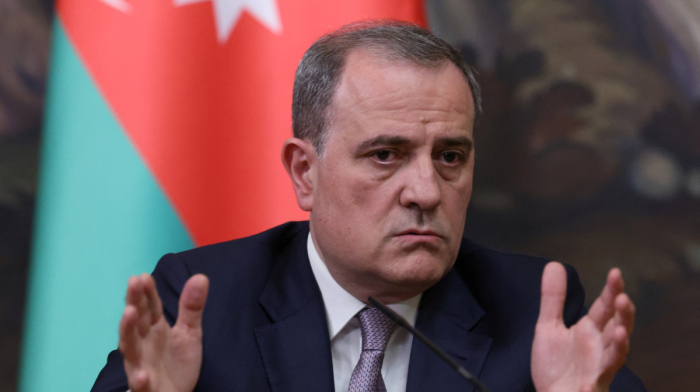
Azerbaijan’s Foreign Minister Jeyhun Bayramov has called for further integration of infrastructure between regional countries to bolster the Middle Corridor trade and logistics network.
The Saudi-led coalition says it has carried out a series of military operations against Houthi targets in Yemen after attacks on two Saudi airports left three people dead and dozens injured.
You can download the AnewZ application from Play Store and the App Store.




What is your opinion on this topic?
Leave the first comment