




23:25 CET
Nigeria confirms Ebola case in Abuja
Nigerian health authorities have confirmed a case of Ebola disease in the Federal Capital Territory (FCT)...
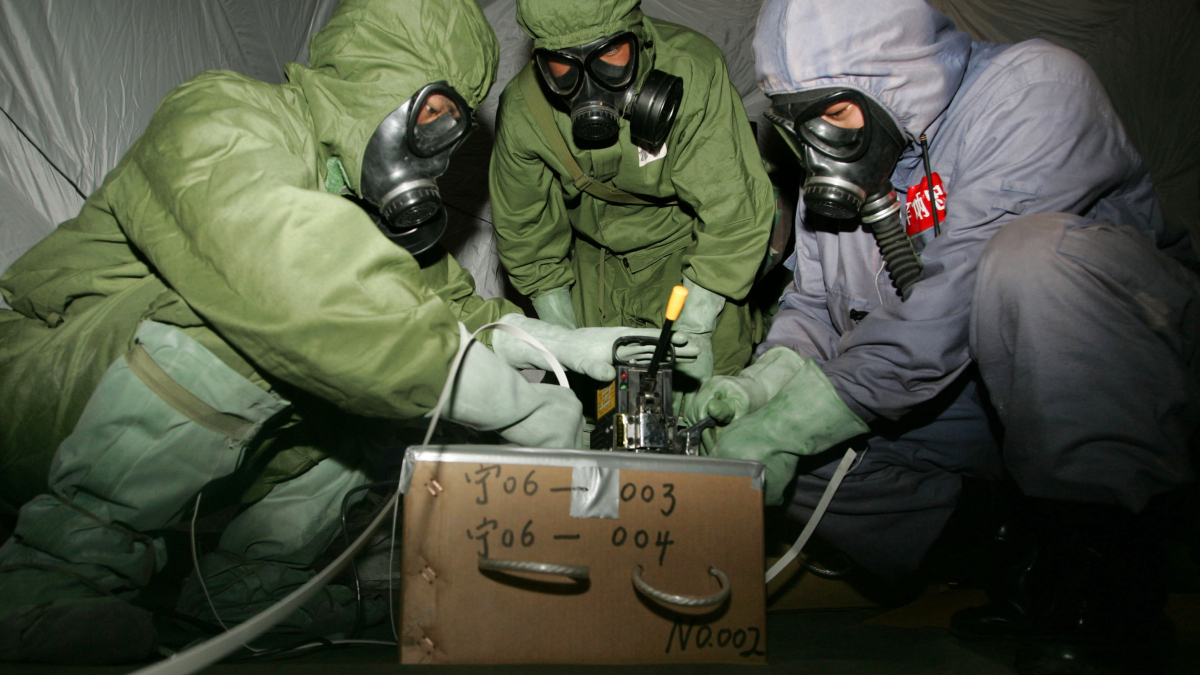


China has sharpened its call for Japan to quicken the disposal of chemical weapons abandoned during the occupation period, framing the issue as a long-standing humanitarian, environmental and political responsibility.
The document argues that the abandoned stockpiles, scattered across several regions, remain a source of danger even now, with erosion, leakage and soil contamination posing risks to local communities. It emphasises that the weapons are not merely historical artefacts, but lingering hazards that continue to shape daily life in areas still undergoing cleanup.
At a press conference in Beijing, Ministry of National Defense spokesman Jiang Bin offered the most detailed public account in months of the scale of the problem. He stated that large quantities of chemical munitions were used during the conflict in violation of international law, causing more than 200,000 military and civilian casualties. After Japan’s defeat, he said, the retreating forces abandoned additional stockpiles, and over time these materials poisoned more than 2,000 people. His remarks portrayed the issue as both a safety challenge and a historical injustice that remains unresolved.
Jiang warned that the situation remains serious, pointing to sites where soil and water still require remediation decades after discovery. He argued that Japan should have completed destruction operations much earlier, insisting that progress has been slowed by a lack of sufficient effort from Tokyo. In his view, the pace of disposal has lagged behind both environmental urgency and legal expectations.
Beijing’s message was that Japan’s responsibilities are grounded in history, politics and international law, particularly the Chemical Weapons Convention, which assigns clear obligations to the possessor state. The spokesman urged Japan to conduct what he called “serious soul-searching,” and to increase its technical, financial and logistical input into the unfinished disposal campaign. He added that China expects more comprehensive data sharing from Japan to help locate, classify and manage remaining stockpiles.
The Chinese side also called on Japan to fully support efforts to identify the last undiscovered caches, provide all relevant archival records, and take greater responsibility for treating polluted land and water. The aim, officials said, is not only to eliminate immediate risks but to restore long-affected areas to a condition that allows communities to move on from a chapter that has lingered for generations.
The Ministry of National Defense framed the issue within a broader narrative about global disarmament and the goal of eliminating chemical weapons worldwide. For Beijing, completing the cleanup of Japan’s abandoned chemical weapons is part of that global effort, but it is also a matter of national memory and public safety. The message was clear: the environmental burdens and human toll have lasted long enough, and China expects Japan to finish the job with renewed urgency.

Nigerian health authorities have confirmed a case of Ebola disease in the Federal Capital Territory (FCT)...
China has lodged a formal diplomatic protest with the UK after British border officials allegedly subjected Chinese travellers to lengthy questioni...
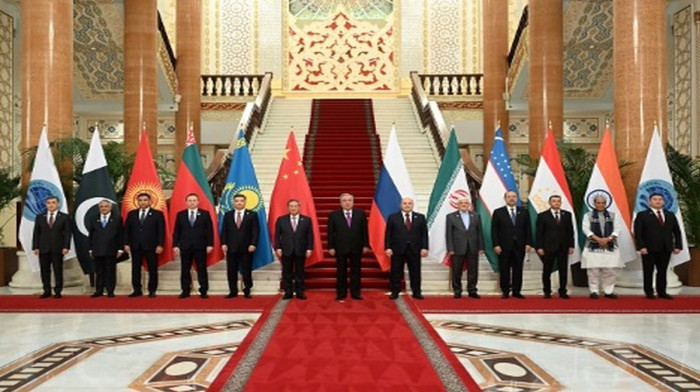
Member states of the Shanghai Cooperation Organisation (SCO) prevented 273 terrorist attacks and more than 3,000 crimes linked to terrorism, separa...
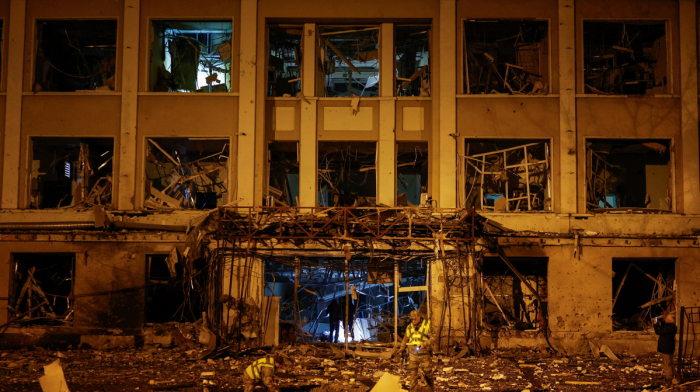
U.S. President Donald Trump has criticised Ukrainian President Volodymyr Zelenskyy for continuing to target Russia's energy infrastructure, while Russian strikes on Kyiv overnight killed at least one person and damaged a metro station.
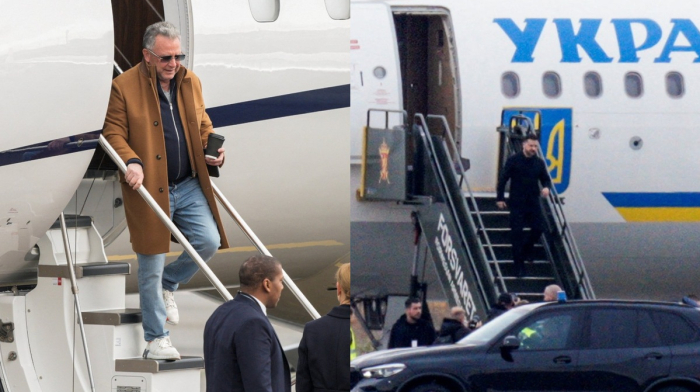
Ukrainian President Volodymyr Zelenskyy has arrived in Norway for talks about the Russia-Ukraine war. He is expected to meet with U.S. President Donald Trump's Special Envoy Steve Witkoff, who arrived in Oslo earlier. Witkoff will also meet European officials.
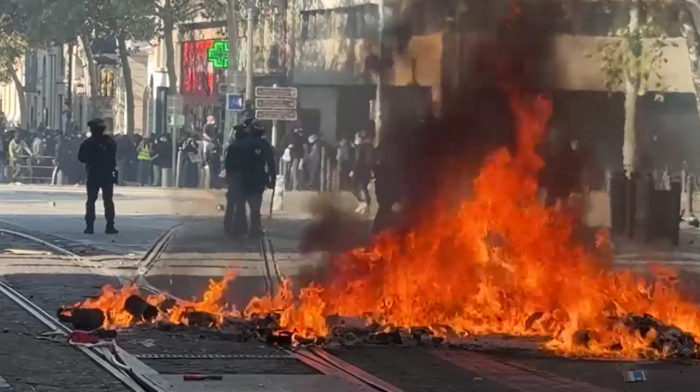
French President Emmanuel Macron has condemned the violence, looting and vandalism that erupted during cost-of-living protests across France. Prime Minister Sébastien Lecornu held crisis talks on Monday, calling for partial curfews and raising the possibility of a state of emergency.
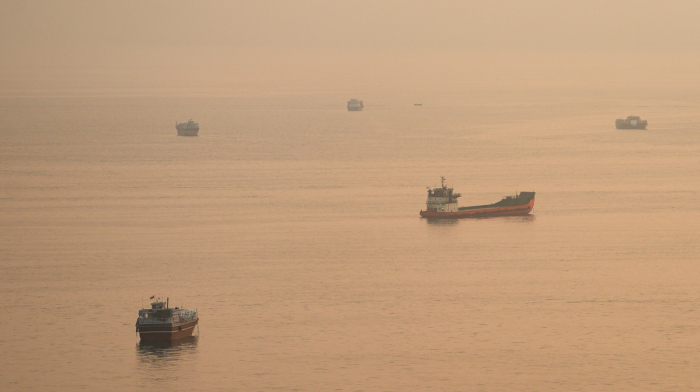
An oil tanker caught fire after striking a naval mine in the southern part of the Strait of Hormuz, Iran’s Islamic Revolutionary Guard Corps (IRGC) Navy said late Sunday.
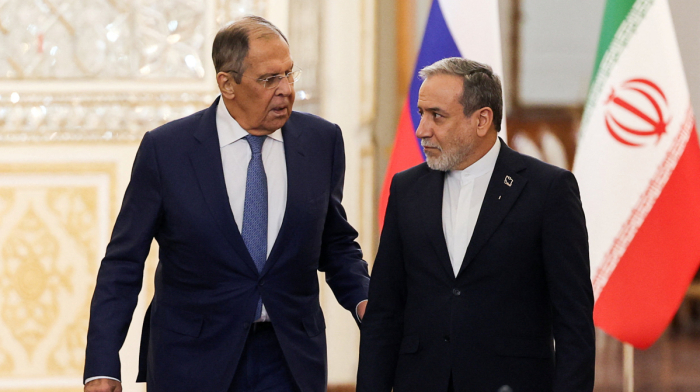
Iranian Foreign Minister Abbas Araghchi said regional issues should be resolved through diplomacy and blamed the United States for insecurity and tensions in the Strait of Hormuz, speaking at a joint news conference with Russian Foreign Minister Sergey Lavrov on Monday.
Member states of the Shanghai Cooperation Organisation (SCO) prevented 273 terrorist attacks and more than 3,000 crimes linked to terrorism, separatism and extremism in 2025, according to the bloc's regional counter-terrorism body.
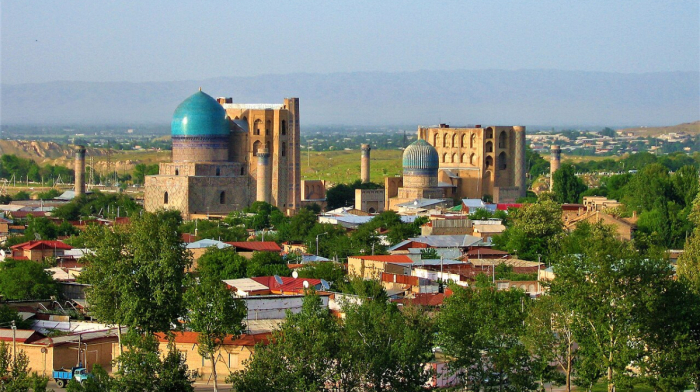
The C5+1 ministerial meeting in Samarkand has strengthened economic ties between the U.S. and Central Asia, with Uzbekistan securing 54 agreements and initiatives worth around $12 billion with U.S. companies and institutions.
Iranian Foreign Minister Abbas Araghchi said regional issues should be resolved through diplomacy and blamed the United States for insecurity and tensions in the Strait of Hormuz, speaking at a joint news conference with Russian Foreign Minister Sergey Lavrov on Monday.
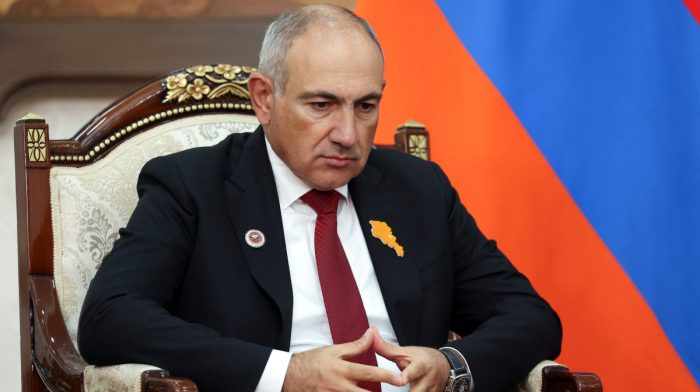
Armenia could face soaring gas prices, a sharp drop in remittances and tighter restrictions on migrant workers if its membership of the Eurasian Economic Union (EAEU) is suspended, according to a new report examining the risks of closer ties with the European Union.
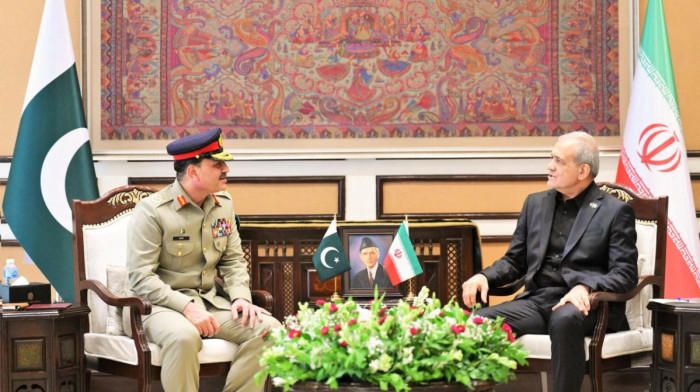
Pakistan’s military chief is heading to Iran for talks as Islamabad pushes for dialogue between Tehran and Washington, while reaffirming its defence commitment to Saudi Arabia and strengthening security ties with Qatar.
You can download the AnewZ application from Play Store and the App Store.




What is your opinion on this topic?
Leave the first comment