As global attention centres on the conflict between Iran and the U.S., violence in Lebanon is intensifying, with Israeli strikes hitting residential areas, causing mounting civilian casualties and deepening an already severe humanitarian crisis.
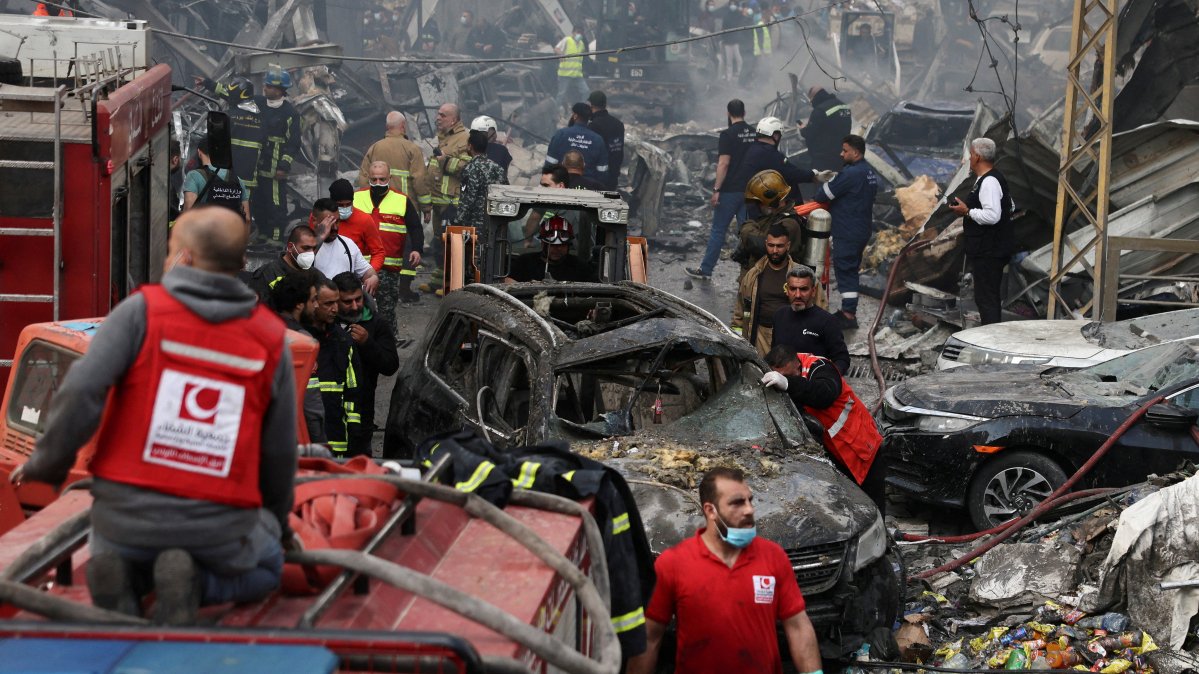
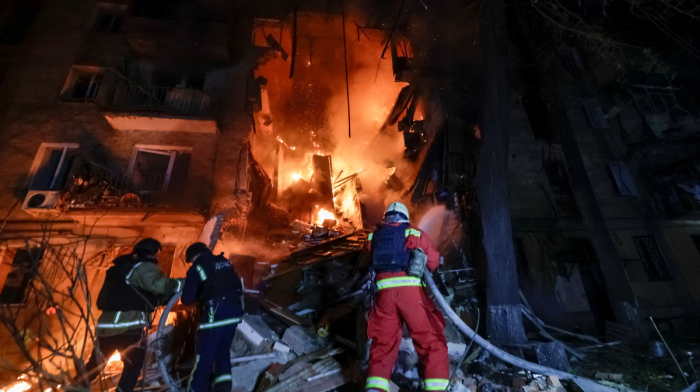
Explosions tore through parts of Beirut, sending thick columns of smoke into the sky. Residents said the attacks came without the usual warnings to evacuate, heightening fears among civilians.
Lebanon’s presidency accused Israel of bearing “full responsibility” for the escalation, describing the latest wave of strikes as a “massacre”.
The Lebanese health ministry reported that dozens had been killed and hundreds wounded in the latest attacks.
War intensifies
While diplomatic efforts have focused on a ceasefire between Washington and Tehran, Israel has continued large-scale military operations in Lebanon, striking multiple targets, including in densely populated areas.
Israeli Defence Minister Israel Katz said Israel had deliberately separated its war with Iran from its campaign in Lebanon, aiming to remove threats to northern Israel. Israeli officials maintain that the ceasefire does not apply to Lebanon.
The situation highlights how Lebanon has effectively become a parallel front in a broader regional conflict, even as international attention remains fixed elsewhere.
Mounting civilian toll
The humanitarian impact has been severe. Since early March, more than 1,500 people have been killed in Lebanon, including civilians, while over one million people have been displaced, according to officials and international reports.
That equates to roughly one in five people being forced from their homes, placing Lebanon among the most acute displacement crises globally. Many strikes have hit densely populated civilian areas, raising concerns among humanitarian organisations about the protection of non-combatants.
UN warns of humanitarian crisis
The United Nations has warned of a rapidly deteriorating situation on the ground. UN agencies say hundreds of thousands of people have been displaced since the escalation began, including large numbers of children.
UNICEF estimates that hundreds of children have been killed or injured, with many more forced from their homes. Aid agencies have raised alarm over worsening conditions, as families crowd into shelters or flee with little access to basic necessities.
The UN has launched a major emergency funding appeal for Lebanon, warning that humanitarian resources are under severe strain. Many displaced families are sheltering in overcrowded centres or informal conditions, with some forced to sleep in cars or on roadsides.
The crisis is compounding pressure on a country already hosting one of the world’s highest numbers of refugees per capita, stretching public services and infrastructure to the limit.
A fragile state under pressure
Lebanon was already facing a prolonged economic collapse before the latest escalation, marked by widespread poverty, currency depreciation and shortages of essential goods.
Renewed strikes risk pushing the country deeper into crisis, compounding displacement and infrastructure damage.
Despite a ceasefire between the U.S. and Iran, no such pause appears to apply to Lebanon.











What is your opinion on this topic?
Leave the first comment