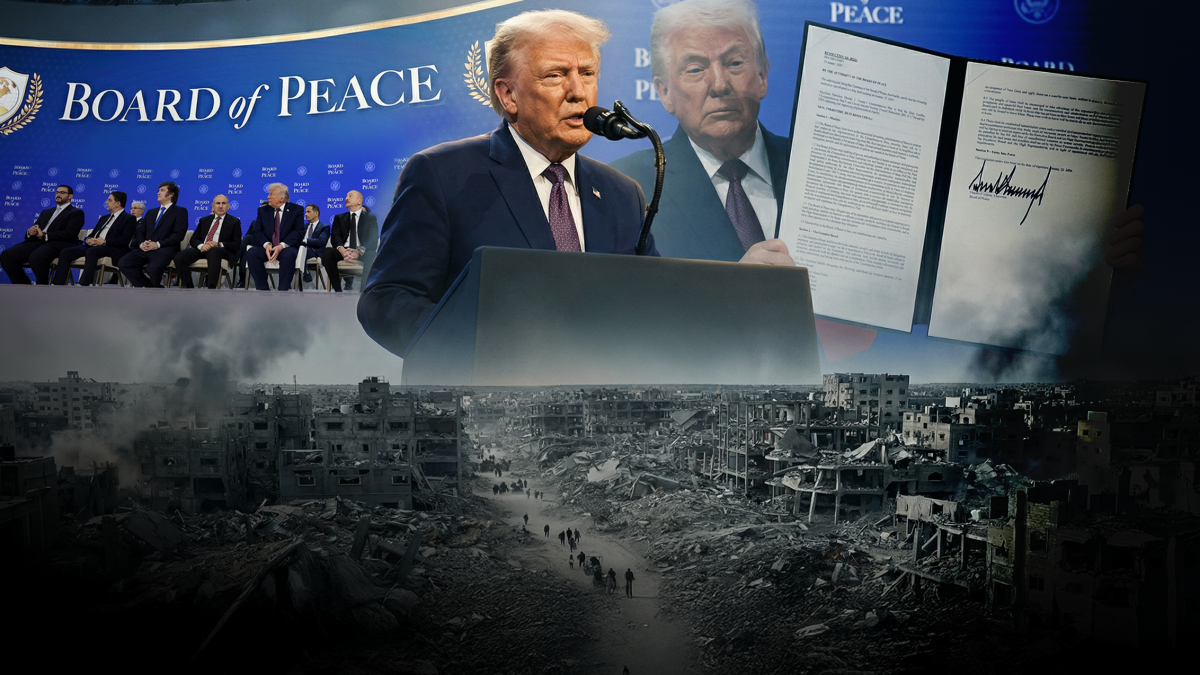
U.S. President Donald Trump’s 'Board of Peace' will hold its first leaders’ meeting on Thursday (19 February) in Washington, D.C., launching an initiative aimed at stabilising Gaza and addressing global conflicts. It's drawn support from regional powers but refusals from several EU countries.
The Board of Peace was launched by U.S. President Donald Trump in late January as part of his 20-point Gaza peace framework.
Initially designed to oversee the stabilisation and reconstruction of Gaza following the October ceasefire between Israel and Hamas, the initiative was later broadened to address other global conflicts.
According to its draft charter, the Board is “an international organisation that seeks to promote stability, restore dependable and lawful governance, and secure enduring peace in areas affected or threatened by conflict”.
Governance structure and powers
Trump will serve as chair for life, with broad authority to convene meetings, appoint or remove executive members, veto decisions, and create or dissolve subsidiary bodies.
Membership terms are limited to three years unless members contribute $1 billion each in exchange for permanent status. It is not immediately clear how the buy-in fee would be used.
The Board’s first leaders’ meeting is scheduled for 19 February in Washington at the Donald J. Trump Institute of Peace. Delegations from more than 20 countries, including several heads of state, are expected to attend.
The meeting will serve as both a strategy session on Gaza and a fundraising conference.
Trump announced that member states would pledge more than $5 billion for reconstruction and humanitarian work, and provide thousands of personnel for a UN-authorised stabilisation force and local policing.
Founding members and participation
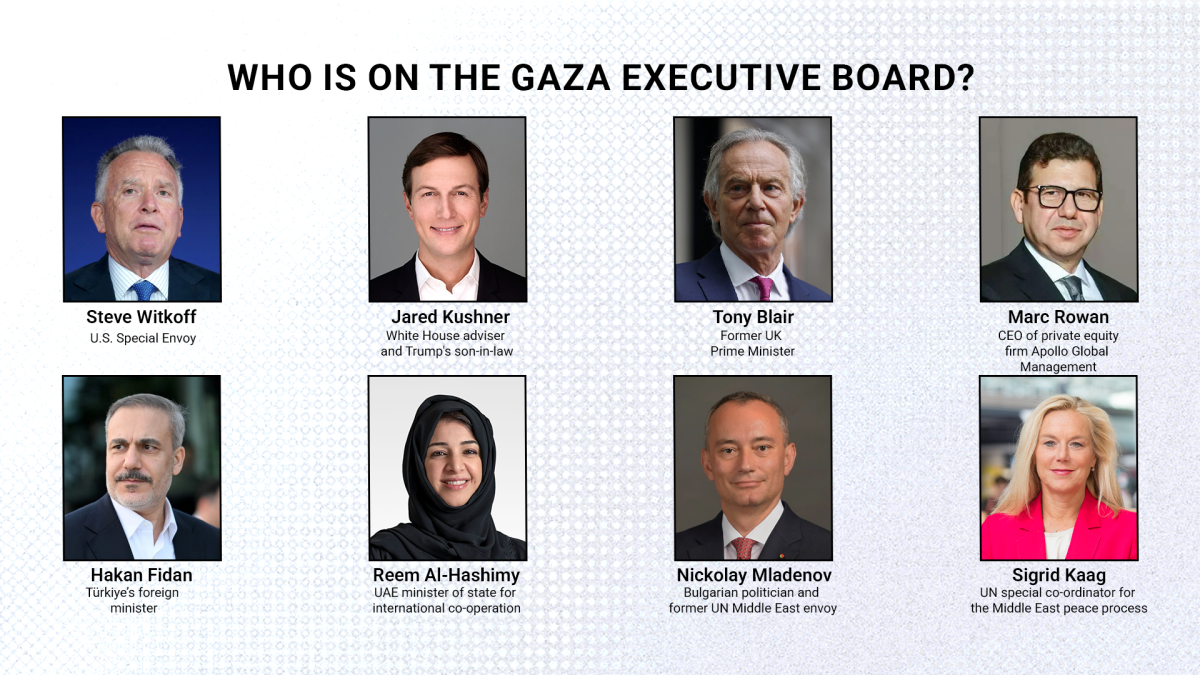
The White House named several founding executive board members, including U.S. Secretary of State Marco Rubio, U.S. special envoy to the Middle East Steve Witkoff, Donald Trump’s son-in-law Jared Kushner, and former British Prime Minister Tony Blair.
Reuters
Israel has formally joined the Board, with Prime Minister Benjamin Netanyahu signing accession documents during a visit to Washington. There is no Palestinian representation.
Other confirmed participants include Hungary, Saudi Arabia, Egypt, Türkiye, Qatar, Jordan, Indonesia, Pakistan, and several Central Asian and Balkan states.
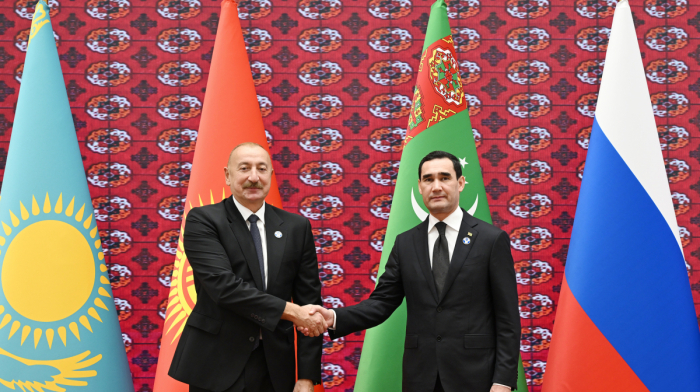
Armenia and Azerbaijan, which reached a U.S.-brokered peace agreement last August after meeting Trump at the White House, have also joined.
Azerbaijan highlighted its participation as recognition of its role in promoting regional and global stability.
Several EU and Western allies have refused to join, citing governance concerns, overlapping mandates with the United Nations, and constitutional barriers.
Days ahead of the first meeting of the Board, the Vatican said it would not participate. Cardinal Pietro Parolin confirmed the decision, saying that efforts to handle crisis situations should be managed by the UN.
France, Spain, New Zealand and Germany have declined participation. Poland’s Prime Minister Donald Tusk stated that Poland would not join for now but might reconsider.
Italy cannot formally join due to constitutional constraints but will participate as an observer, Prime Minister Giorgia Meloni said: “We were invited as an observer country and in our view it is a good solution regarding the problem of the war in the Middle East.”
The inclusion of Russia and Belarus has also contributed to caution among other Western nations. The UK is one such example. According to the Commons Library government site:
“The UK has not confirmed it will join the board, citing concerns about Russia’s potential membership and the board’s remit going beyond Gaza.”
The European Union has raised concerns about the Board’s structure, citing undue interference in member autonomy and deviation from the UN’s Gaza-focused mandate.
European Council President António Costa stressed the EU’s willingness to cooperate on Gaza, with the Board acting as a transitional administration in line with UN Security Council Resolution 2803 (“Welcoming the comprehensive plan to end the Gaza conflict”).
UN Secretary-General António Guterres emphasised that responsibility for international peace rests with the UN Security Council, warning that the Board’s global ambitions must not undermine multilateral legitimacy.
He said: “Despite all the hurdles, the United Nations is acting to give life to our shared values […] We are pushing for peace - just and sustainable peace rooted in international law.”
Trump criticised the UN for failing to fully support U.S.-led peace efforts, describing it as underutilised.
Gaza ceasefire under strain
The Board’s launch comes amid a fragile ceasefire that took effect in October under the Trump-backed framework accepted by Israel and Hamas. Both sides have repeatedly accused each other of violations.
The next phase of the plan envisages Hamas’s disarmament, further Israeli withdrawal from Gaza and full deployment of the international stabilisation force.
Key elements remain unresolved. Hamas has previously rejected disarmament without the creation of an independent Palestinian state, while Israeli officials have signalled readiness to resume military action if weapons are not surrendered.
Supporters argue the Board could accelerate reconstruction and offer a decisive alternative to stalled multilateral diplomacy.
Critics warn that concentrated authority and high financial thresholds for permanent membership risk reshaping or fragmenting international peace structures.
The Washington meeting will test how many governments are willing to embrace a new U.S.-led framework for conflict resolution beyond Gaza.
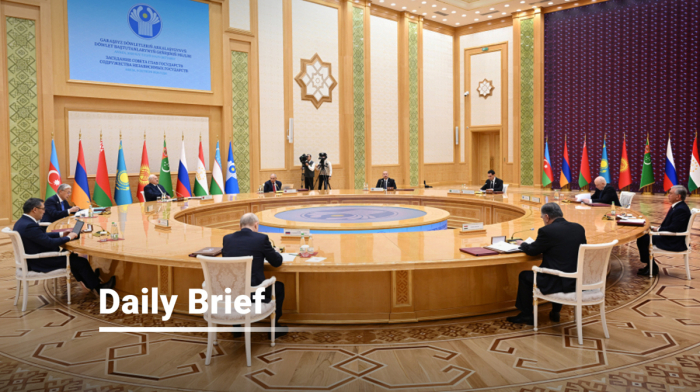
Leaders of countries from the Commonwealth of Independent States (CIS) have agreed to hold coordinated population censuses around 2030. They took the decision at the CIS Council of Heads of State meeting in Awaza, Turkmenistan on Friday, media reported.
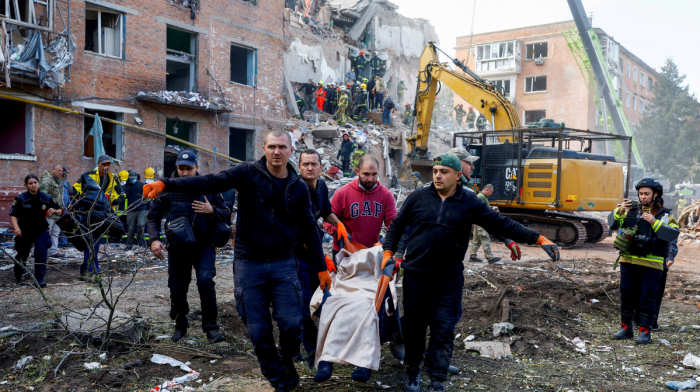
Russia struck Ukraine overnight in one of the biggest attacks of the conflict, killing at least 19 people, Kyiv's Foreign Ministry said on Wednesday. Around 70 missiles were fired at Ukraine during the attack, as well as drones, the Ministry said.
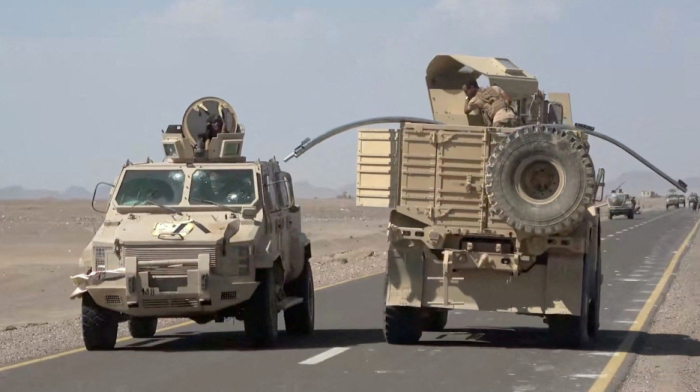
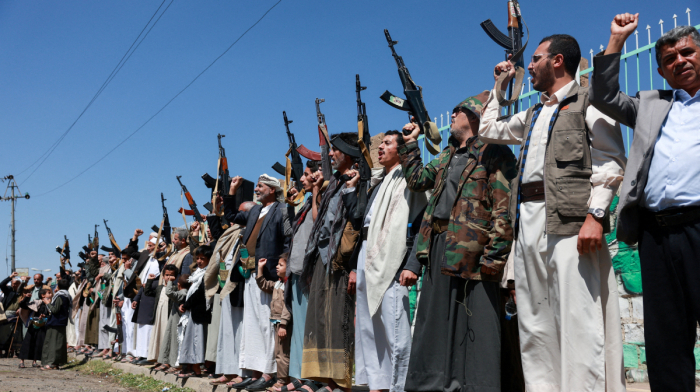
The Saudi-led coalition says it has carried out a series of military operations against Houthi targets in Yemen after attacks on two Saudi airports left three people dead and dozens injured.
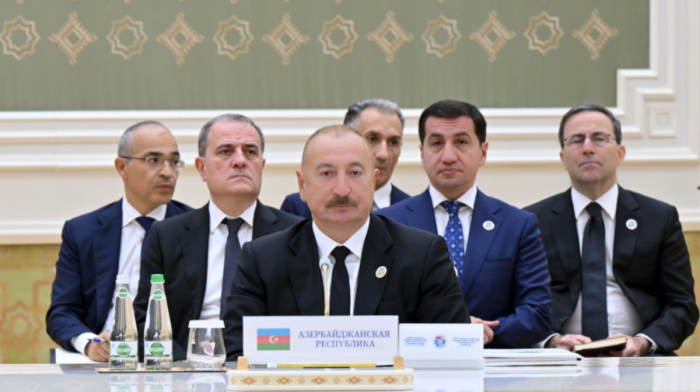
Azerbaijan and the five Central Asian states have signed two key documents at the 8th Consultative Meeting of Heads of State in Turkmenbashi, formalising a broader framework for regional cooperation in transport, trade, energy, digitalisation and security.
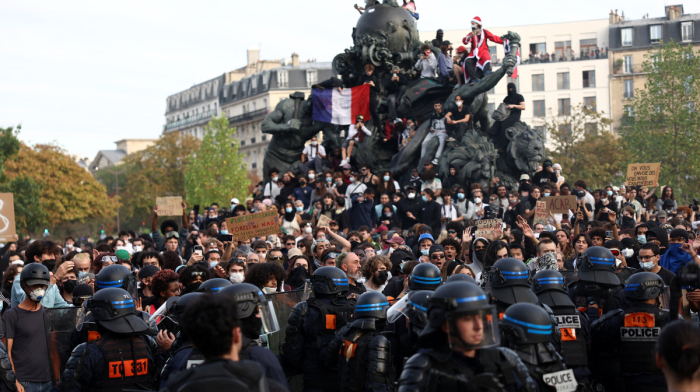
It started with classrooms. Too many students, not enough teachers, deteriorating buildings and growing anxiety over what comes after high school. But within weeks, a movement that began outside French lycées had spread across the country.
Leaders of countries from the Commonwealth of Independent States (CIS) have agreed to hold coordinated population censuses around 2030. They took the decision at the CIS Council of Heads of State meeting in Awaza, Turkmenistan on Friday, media reported.
Saudi Arabia has restored its vital East-West oil pipeline to near-full capacity, but escalating Houthi attacks on energy facilities, airports and transport infrastructure are raising fresh concerns over the security of its oil exports.
Saudi Arabia's civil aviation authority said on Friday that three Saudi nationals were killed and several people were injured in two attacks on King Khalid International Airport in Riyadh on Thursday (8 October).
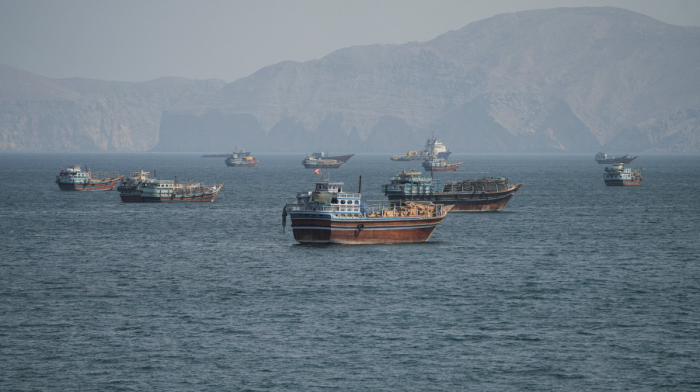
Several powerful explosions reported in the south of the Strait of Hormuz on Thursday may have been triggered by oil tankers hitting naval mines, Iranian state broadcaster IRIB has reported, citing unnamed military sources.
Download the AnewZ app
You can download the AnewZ application from Play Store and the App Store.











What is your opinion on this topic?
Leave the first comment