Repeated violations of international law are casting doubts over the effectiveness of the first phase of the Gaza ceasefire, one political analyst told AnewZ.
“When you strip it of opinion, what we are seeing are repeated violations of international law,” says Osama Rizvi, political analyst and founder of Rizvi Insights.
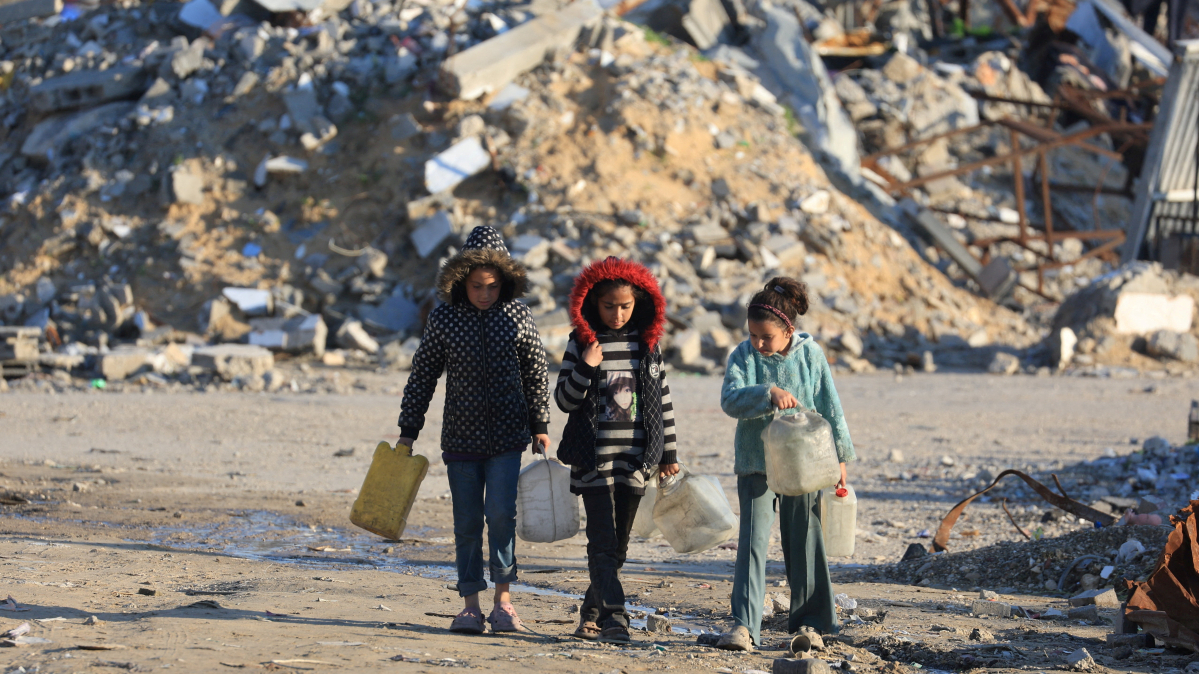
The ceasefire agreement, which came into effect on 10 October 2025 and has been described by Washington as a success, has unfolded against a backdrop of continued violence.
According to local Palestinian officials, more than 500 Palestinians have been killed in Israeli attacks since the ceasefire began in October, while Palestinian militants have also killed four Israeli troops during the same period.
Speaking to AnewZ, Rizvi argued that these developments call into question claims that the initial phase of the deal has delivered meaningful stability.
“The debate around this ceasefire has, in many ways, become a sham,” he said, pointing to what he described as persistent breaches of international and rules-based order norms.
In Washington, officials have largely defended the agreement on the grounds that a flawed ceasefire is preferable to no ceasefire at all. Rizvi acknowledged that logic but warned that it should not be mistaken for success.
“There is a sentiment that something is better than nothing, and I agree to an extent,” he said.
“But this is an extremely tenuous situation, and history shows us that ceasefire violations on both sides are not new.”
The analyst noted that previous ceasefires between Israel and Palestinian factions have repeatedly broken down due to the absence of enforcement mechanisms and clear legal obligations, leaving agreements vulnerable to collapse.
Rizvi stressed that without a tangible and legally binding framework applicable to all parties, the current ceasefire risks remaining temporary and fragile.
“We need something more concrete, something that binds all sides,” he said, arguing that accountability is essential if the agreement is to move beyond symbolic restraint.
As violence continues despite the ceasefire, questions persist over whether the first phase represents genuine progress or merely a pause in a conflict that remains unresolved.











What is your opinion on this topic?
Leave the first comment