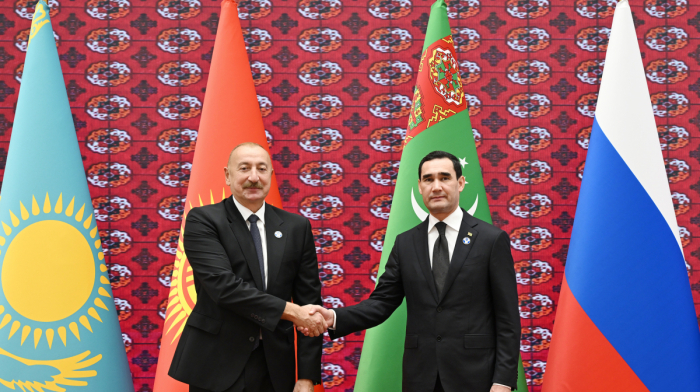
South Caucasus emerges as bridge between Europe and Asia
Europe is increasingly viewing the South Caucasus not as a region of frozen conflicts, but as a space of opportunity, stability and strategic connecti...
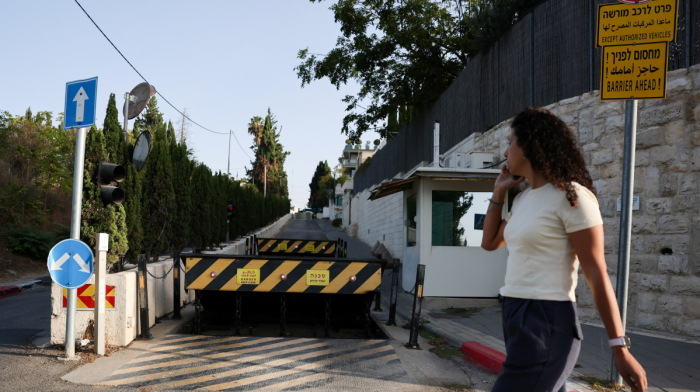
Israel will reopen Gaza’s Rafah border crossing with Egypt on Sunday (1 February), allowing limited movement of Palestinians in both directions after nearly two years of closure, Israeli authorities said on Friday.
The Coordinator of Government Activities in the Territories (COGAT), the Israeli body responsible for civilian coordination in Gaza, “the return of residents from Egypt to the Gaza Strip will be permitted, in coordination with Egypt, for residents who left Gaza during the course of the war only, and only after prior security clearance by Israel.”
European Union border patrol agents will supervise the crossing, and both Israel and Egypt will vet individuals for entry and exit.
The reopening marks a key step in implementing U.S. President Donald Trump’s Gaza ceasefire plan. The Rafah crossing, Gaza’s main gateway to the outside world, has been largely closed since May 2024.
Israel had previously resisted reopening the crossing.
Officials said the return Ran Gvili's remains to Gaza on Monday helped clear the way for the measure.
The move is expected to ease humanitarian constraints in Gaza, though travel will remain tightly controlled. Humanitarian groups have long called for the crossing to reopen, highlighting the severe restrictions on movement, trade, and medical access caused by the extended closure.

Liverpool confirmed direct qualification to the UEFA Champions League round of 16 with a 6-0 win over Qarabağ at Anfield in their final league-phase match. Despite the setback, Qarabağ secured a play-off spot, with results elsewhere going in the Azerbaijani champions’ favour on the final matchday.
China is supplying key industrial equipment that has enabled Russia to speed up production of its newest nuclear-capable hypersonic missile, an investigation by The Telegraph has found, heightening concerns in Europe over Moscow’s ability to threaten the West despite international sanctions.
Storm Kristin has killed at least five people and left more than 850,000 residents of central and northern Portugal without electricity on Wednesday (28 January), as it toppled trees, damaged homes, and disrupted road and rail traffic before moving inland to Spain.
U.S. Secretary of State Marco Rubio said the Iranian government is likely weaker than at any point in recent history, warning that protests could reignite despite a violent crackdown that has killed thousands.
Russian President Vladimir Putin said he was ready to assist in rebuilding Syria’s war-damaged economy as the country's interim President Ahmad al-Sharaa made his second visit to Moscow in less than four months on Wednesday (28 January).
The Syrian government and the Kurdish-led Syrian Democratic Forces (SDF) declared a ceasefire deal on Friday (30 January) that foresees a phased integration of Kurdish forces with the state.
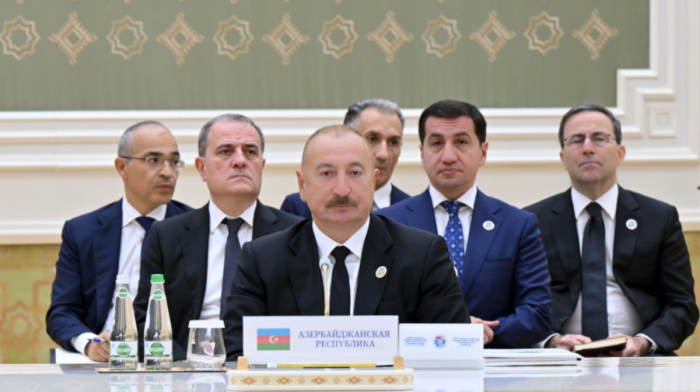
Europe is increasingly viewing the South Caucasus not as a region of frozen conflicts, but as a space of opportunity, stability and strategic connectivity, international relations expert Nagiz Mammadova said.
Iran’s Foreign Minister Abbas Araghchi denounced the European Union's designation of the Islamic Revolution Guards Corps (IRGC) as a terrorist organisation as “another major strategic mistake” and “PR stunt.”
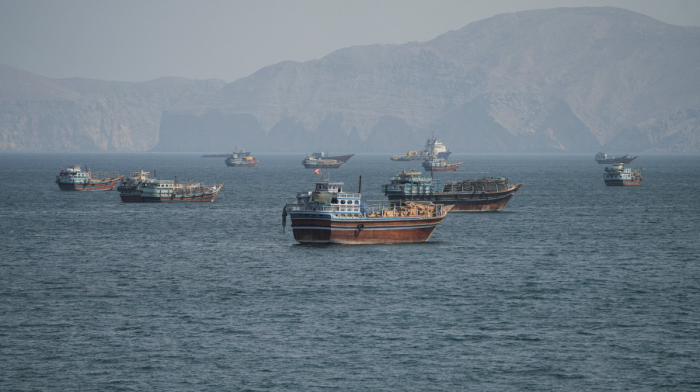
U.S. President Donald Trump said on Thursday (29 January) he planned to speak with Iran, as the United States dispatched another warship to the Middle East and said the military was ready to act.
Iran’s Foreign Ministry on Thursday summoned Germany’s ambassador to Tehran, Axel Dittmann, to protest what it called “interventionist and offensive” remarks by German Chancellor Friedrich Merz.
You can download the AnewZ application from Play Store and the App Store.
What is your opinion on this topic?
Leave the first comment