live Israeli military says it has launched fresh strikes on Tehran and Beirut: All the latest news on the Iran strikes
The Israeli military has begun a new wave of strikes on Tehran, it said late on Monday. The strikes came after it issued...
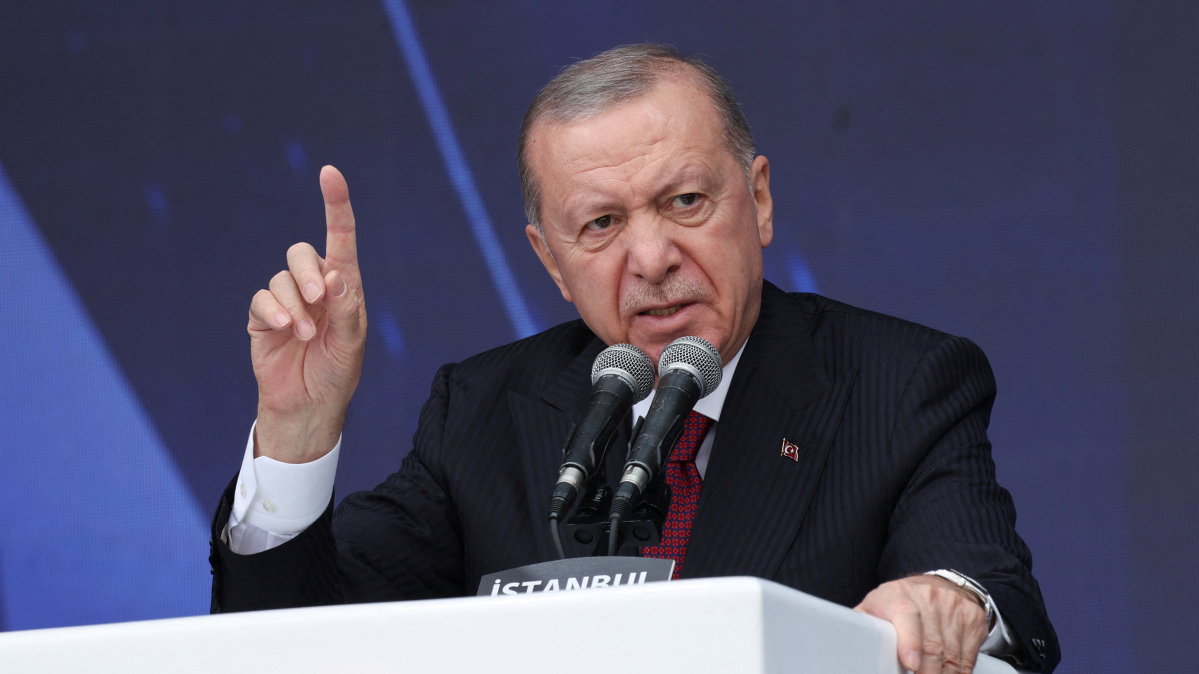
Turkish President Recep Tayyip Erdoğan reiterated his country’s support for a ceasefire deal between Damascus and the Kurdish-led Syrian Democratic Forces (SDF), which calls for the latter’s integration into the Syrian state apparatus.
Erdoğan stressed Ankara’s commitment to the principle of “one state, one army” in Syria, saying Türkiye “fully supports any step that strengthens this principle,” he told reporters on Monday.
He added that the ceasefire deal, which was announced over the weekend, had “resolved a sensitive issue by prioritising negotiation and avoiding actions that could undermine its the Syrian government’s legitimate position.”
Erdoğan made the remarks during reports that Syrian government forces had begun deploying in key areas of northern and northeastern Syria that were previously held by the SDF.
On Monday, the Syrian army confirmed it had begun deploying forces in northeastern Syria’s resource-rich Jazira region in line with the terms of the ceasefire agreement.
Located east and north of the Euphrates River, the Jazira region contains most of the country’s oil and gas reserves.
According to Syrian state media, government forces have already secured the Tishreen Dam south of Manbij and the countryside near the cities of Raqqa and Hasakah.
Syria’s interior ministry said it had also begun deploying forces in the northeastern province of Deir ez-Zor along the Euphrates River.
In a statement cited by Syria’s state-run SANA news agency, the interior ministry said its priorities included “establishing checkpoints, conducting regular patrols, and maintaining a steady security presence to safeguard residents.”
Announced by Syrian President Ahmed al-Sharaa on Sunday, the ceasefire deal calls for an immediate cessation of hostilities between Syrian government forces and SDF fighters after several days of fighting.
It also calls for the integration of armed Syrian Kurdish groups, including the SDF, into Syria’s state military apparatus.
Although the SDF is backed by the United States, Türkiye views it as a terrorist group due its close ties to the Kurdistan Workers Party (PKK), which for decades waged a violent insurgency against the Turkish state.
In a Sunday phone call with al-Sharaa, Erdoğan told his Syrian counterpart that Turkish support for Damascus would continue, “especially in the field of counterterrorism.”

Follow the latest developments and global reaction after the U.S. and Israel launched “major combat operations” in Iran, prompting retaliation from Tehran.
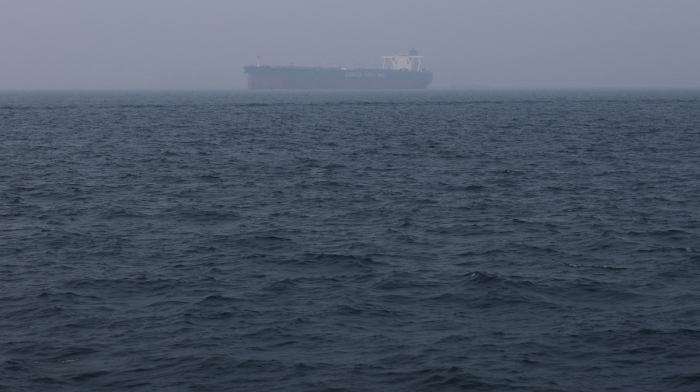
Saudi Arabia’s state oil giant Saudi Aramco closed its Ras Tanura refinery on Monday following an Iranian drone strike, an industry source told Reuters as Tehran retaliated across the Gulf after a U.S.-Israeli attack on Iranian targets over the weekend.
The Kremlin is utilising the recent United States and Israeli military strikes on Iran to validate its ongoing war in Ukraine. Russian officials are pointing to the escalation in the Middle East as evidence that Western nations do not adhere to international rules.
The Middle East crisis intensifies after the deadly attack on the compound of the Supreme Leader of Iran Ali Khamenei on Saturday that killed him, other family members and senior figures. Iran has launched retaliatory strikes on U.S. targets in the region.
Ayatollah Alireza Arafi has moved into a pivotal constitutional role following the death of Supreme Leader Ayatollah Ali Khamenei, becoming the clerical member of Iran’s temporary leadership council under Article 111 of the Constitution of the Islamic Republic of Iran.
The Israeli military has begun a new wave of strikes on Tehran, it said late on Monday. The strikes came after it issued an evacuation warning for residents in Tehran, particularly those residing near state broadcaster IRIB's headquarters.
The U.S. and Israeli air war against Iran widened on Monday, with no end in sight as Israel attacked Lebanon in response to strikes by Hezbollah and Iran kept up its attacks on Gulf states that host U.S. military bases.
Iran and its proxies could target the U.S. with attacks in response to the Saturday killing of Iranian Supreme Leader Ali Khamenei by Israeli and U.S. strikes, according to a U.S. intelligence assessment reviewed by Reuters.
The U.S. embassy in Riyadh was hit by two drones resulting in a limited fire and some material damage, the kingdom's defence ministry said in a post on X on Tuesday, citing an initial assessment.
Israeli Prime Minister Benjamin Netanyahu said on Monday that the U.S. and Israel's war against Iran may take "some time" but it will not take years.
You can download the AnewZ application from Play Store and the App Store.
What is your opinion on this topic?
Leave the first comment