China tightens Communist Party oversight of tech firms and digital finance
China’s ruling Communist Party is stepping up oversight of technology firms, internet platforms and digital finance in a sweeping drive to ta...
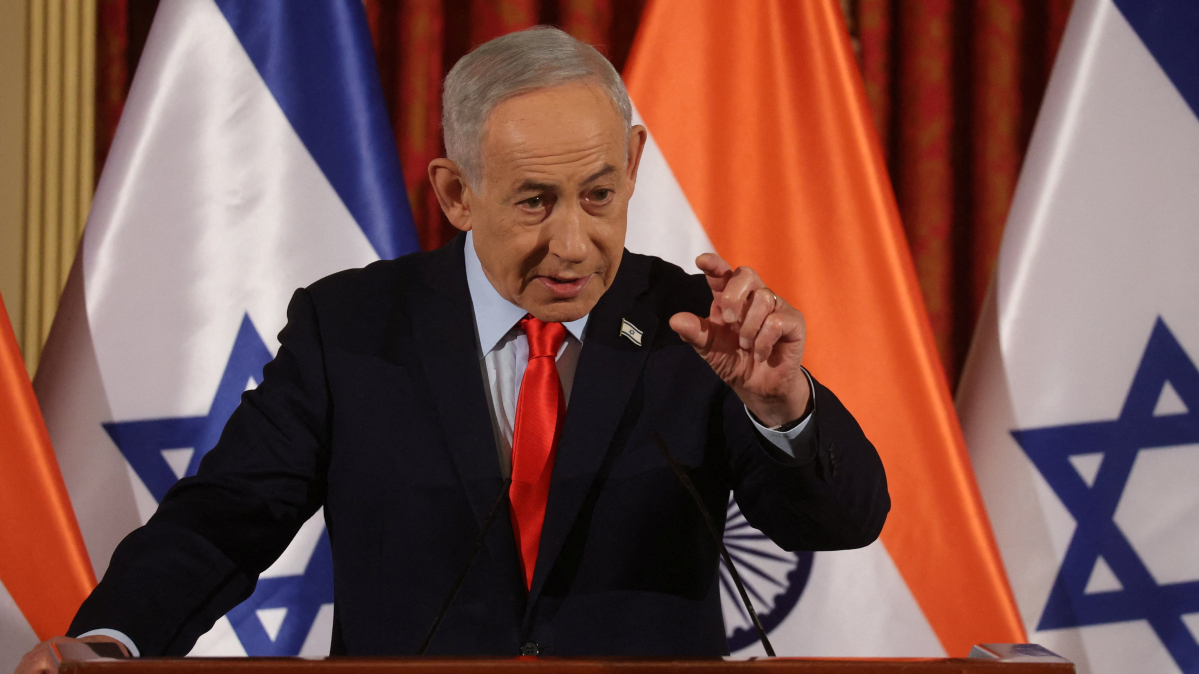
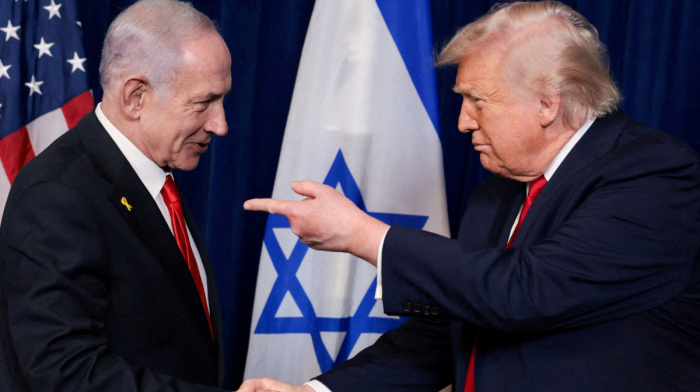
Israeli Prime Minister Benjamin Netanyahu said on Monday that the U.S. and Israel's war against Iran may take "some time" but it will not take years.
The U.S. and Israeli air war against Iran began with attacks against Tehran on Saturday, killing Iranian Supreme Leader Ali Khamenei, and prompting Iranian retaliation against Israel and missile attacks at Arab nations with U.S. bases across the Middle East.
President Donald Trump initially projected the war to last four to five weeks, but added it could go on longer, and has since sought to justify a broad, open-ended war on Iran.
Netanyahu rejected the idea of the conflict lasting years, like previous wars in the region.
"I said it could be quick and decisive. It may take some time, but it's not going to take years. It's not an endless war," Netanyahu said on Fox News' "Hannity" programme.
The assault on Iran formed part of a list of Trump's foreign policy actions that have marked a striking shift from his "America First" rhetoric against U.S. interventions when he campaigned in the 2024 elections.
Netanyahu said he saw the war as an opportunity for lasting peace in the Middle East, including between Israel and Saudi Arabia.
"Yes I do," he said, when asked if he saw a lasting path to peace in the region.
A Reuters/Ipsos poll showed over the weekend that only one in four Americans approved of U.S. strikes on Iran that have plunged the Middle East into chaos.
U.S. wars in Iraq and Afghanistan that lasted several years made many Americans skeptical of Washington's direct involvement in wars on foreign soil.
Netanyahu said the U.S. and Israel's war against Iran was creating a scenario for the Iranian people to topple their government.
"Now, of course, it's up to the people of Iran in the final count to change the government, but we are creating - America and Israel together are creating - the conditions for them to do so," he said.
Trump's stated aims and timeline for the war have shifted since it began over the weekend. On Saturday when he announced the strikes, he urged Iranians to "take back your country" and implied a goal of toppling the government.
In comments on Monday, Trump made no mention of toppling Iran's government and said the war was needed to prevent Iran from developing a nuclear weapon, which Tehran denies seeking, and to thwart its long-range ballistic missile programme.
Israel is widely believed to be the only Middle Eastern country with nuclear weapons. Washington also has nuclear weapons.
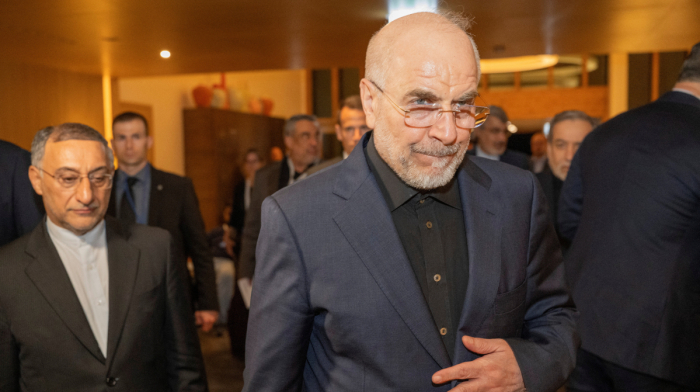
Iranian parliament speaker Mohammad Bagher Ghalibaf says the U.S. must act to prevent war after Tehran sent a “strong and rational response” to Washington. Meanwhile, U.S. forces have reportedly carried out limited strikes against Iranian targets, including Qeshm Island,
Hundreds of millions of U.S. citizens head to the polls on 3 November to elect the House of Representatives and Senate. How they vote could influence the direction of Donald Trump’s remaining 26 months in office and the outcomes of the Ukraine and Iran conflicts.
A six-day humanitarian ceasefire in the Russian-held Ukrainian town of Oleshky ended on Sunday, 1 November, after facilitating aid deliveries and civilian evacuations.
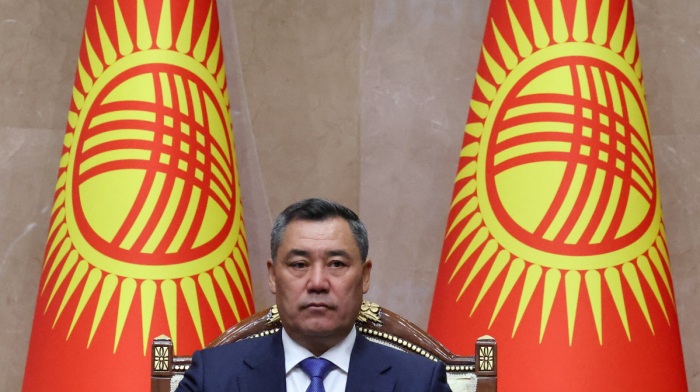
Kyrgyzstan has emerged as Central Asia’s fastest-growing economy, fuelled by a construction boom, public investment and trade linked to Russia. But with Western sanctions tightening, can the country sustain its rapid growth?
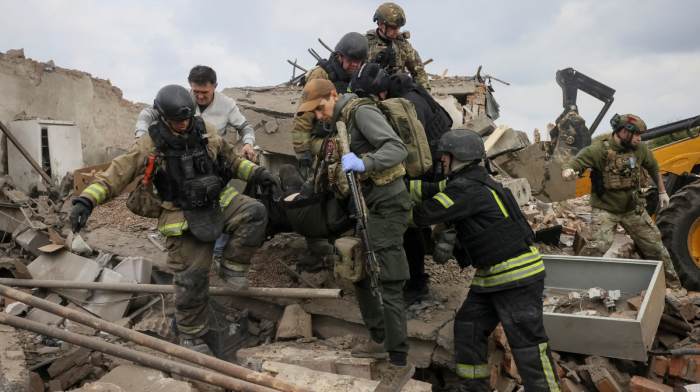
Russia airstrikes on a school used as a humanitarian aid distribution point in southeastern Ukraine's Zaporizhzhia region killed at least 26 people, including rescue workers and police officers, Ukrainian officials said. Another 27 people were reported missing.
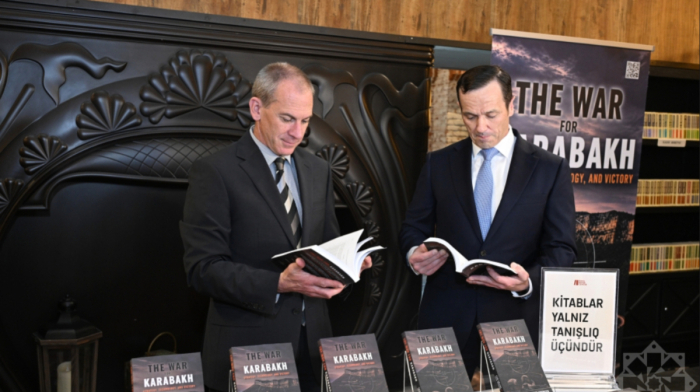
A new book examining Azerbaijan’s military strategy, technology and operations during the Garabagh wars has been unveiled in Baku, offering insights into the country’s victories and lessons for modern warfare.
Iranian parliament speaker Mohammad Bagher Ghalibaf says the U.S. must act to prevent war after Tehran sent a “strong and rational response” to Washington. Meanwhile, U.S. forces have reportedly carried out limited strikes against Iranian targets, including Qeshm Island,
Tajikistan has banned electronic cigarettes and nicotine delivery systems, becoming the latest Central Asian country to outlaw their production, import and sale as part of a wider push to protect public health.
Kyrgyzstan has emerged as Central Asia’s fastest-growing economy, fuelled by a construction boom, public investment and trade linked to Russia. But with Western sanctions tightening, can the country sustain its rapid growth?
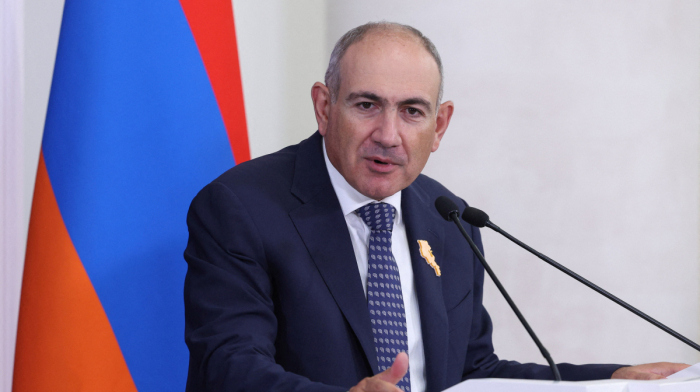
Armenian Prime Minister Nikol Pashinyan said the government plans to publish a draft of the country's new constitution in November, with public consultations to follow, as constitutional reforms remain a key issue in efforts to secure a final peace agreement with Azerbaijan.
You can download the AnewZ application from Play Store and the App Store.
What is your opinion on this topic?
Leave the first comment