




11:16 CET
Nuclear security
Georgia arrests man over attempted $700,000 uranium sale
Georgia has detained a man ...
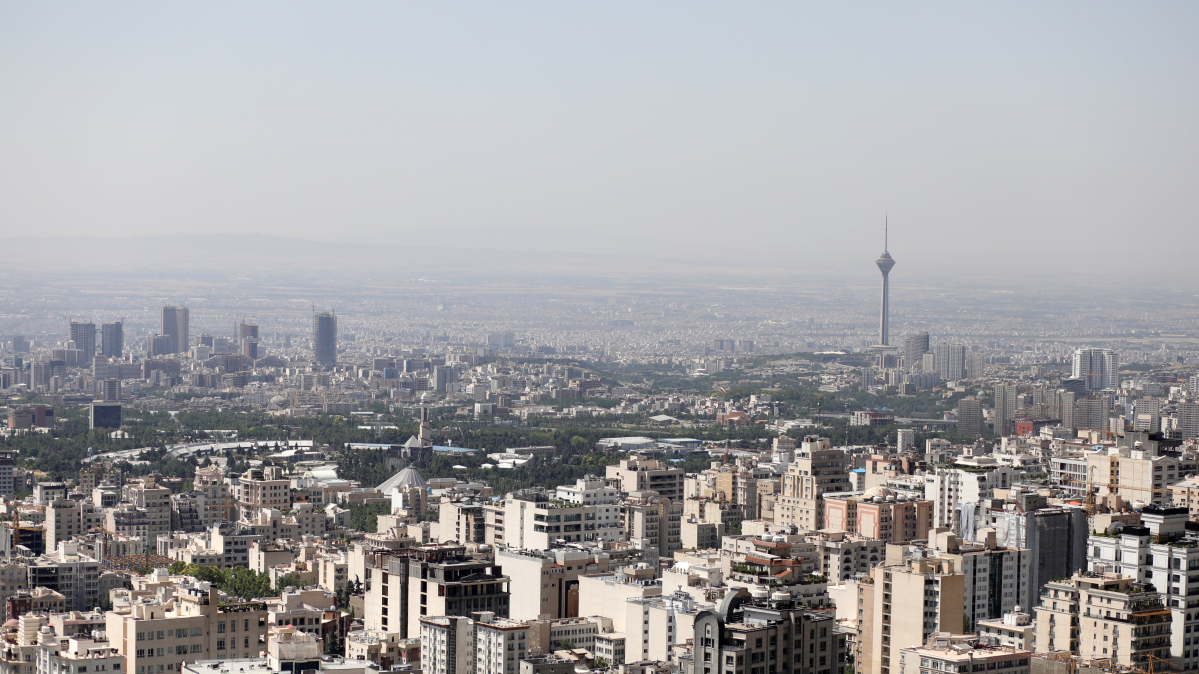


Iran’s temporary shutdown of its airspace prompted flight diversions and fresh safety warnings on Wednesday as regional tensions disrupted airline operations across the Middle East.
Iran shut its airspace to all flights except authorised international services at 5:15 p.m. ET (2215 GMT), according to a notice posted on the Federal Aviation Administration’s website.
The restriction is scheduled to remain in place until 7:30 p.m. ET, or 0030 GMT, with the FAA noting that the prohibition could be extended.
A U.S. official said Washington was withdrawing some personnel from bases in the Middle East after a senior Iranian official warned neighbouring states that Tehran would strike American bases if the U.S. carried out any action. Missile and drone activity in several conflict zones has increased the risk to civilian aviation.
India’s airline IndiGo said some international flights would be affected by the closure, while tracking data showed an Aeroflot flight bound for Tehran turning back to Moscow.
Earlier in the day, Germany issued new guidance advising its carriers to avoid Iranian airspace, shortly after Lufthansa adjusted its Middle East operations.
The U.S. already prohibits its commercial carriers from overflying Iran and has no direct flights with the country. Airlines such as flydubai and Turkish Airlines have cancelled multiple services to Iran in recent days.
Safe Airspace, operated by OPSGROUP, said most carriers were now avoiding Iranian airspace and warned that the situation could involve military activity, including possible missile launches or heightened air defence, which increases the risk of misidentifying civilian aircraft.
Lufthansa said it would bypass both Iranian and Iraqi airspace until further notice. The airline will operate only daytime flights to Tel Aviv and Amman through Monday next week to avoid overnight crew stays, adding that some cancellations are likely. ITA Airways, in which the Lufthansa Group holds a major stake, said it would also suspend night flights to Tel Aviv until Tuesday.

Georgia has detained a man ...
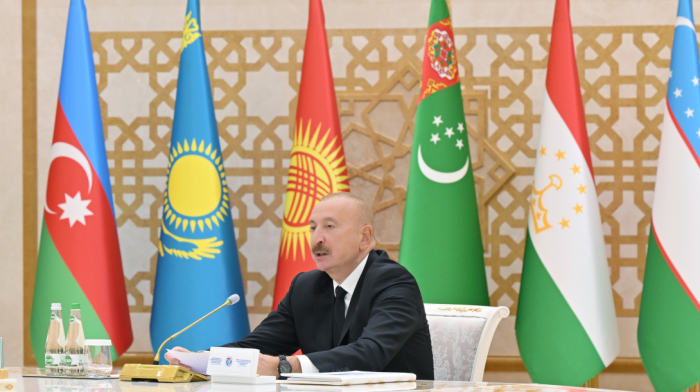
Azerbaijan and the five Central Asian states have signed two key documents at the 8th Consultative Meeting of Heads of State in Turkmenbashi, forma...
U.S. Vice President JD Vance told Reuters on Monday (5 October) that ...


Russia's health watchdog said on Tuesday that no cases of plague had been detected among anyone who had come into contact with a Siberian plague institute laboratory worker who died last week, and locals said their lives had barely been disrupted.

Russia struck Ukraine overnight in one of the biggest attacks of the conflict, killing at least 19 people, Kyiv's Foreign Ministry said on Wednesday. Around 70 missiles were fired at Ukraine during the attack, as well as drones, the Ministry said.

A large Ukrainian drone attack on Moscow and the surrounding region has killed two people, damaged homes and sparked a major fire at a key fuel facility, according to Russian officials and military bloggers.
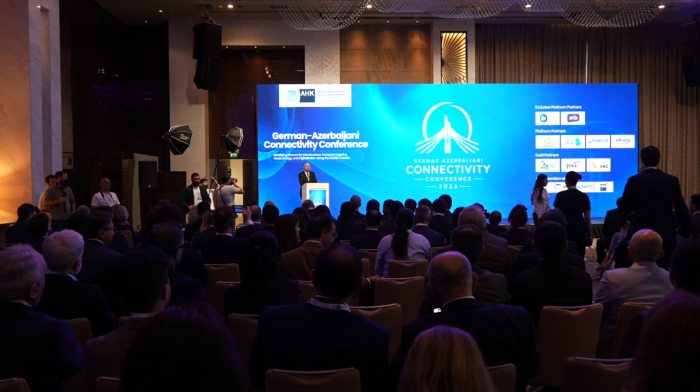
The German-Azerbaijani Connectivity Conference 2026 commenced on 6 October in Baku under the title “Mobilising Finance for Infrastructure, Transport, Logistics, Green Energy, and Digitalisation along the Middle Corridor.”
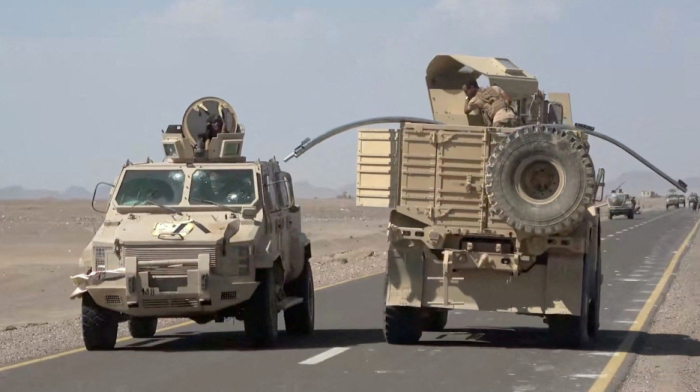
The Saudi-led coalition says it has carried out a series of military operations against Houthi targets in Yemen after attacks on two Saudi airports left three people dead and dozens injured.
Georgia has detained a man who planned to sell uranium-238 to a foreign national for $700,000, the national security service said on Wednesday.
Azerbaijan and the five Central Asian states have signed two key documents at the 8th Consultative Meeting of Heads of State in Turkmenbashi, formalising a broader framework for regional cooperation in transport, trade, energy, digitalisation and security.
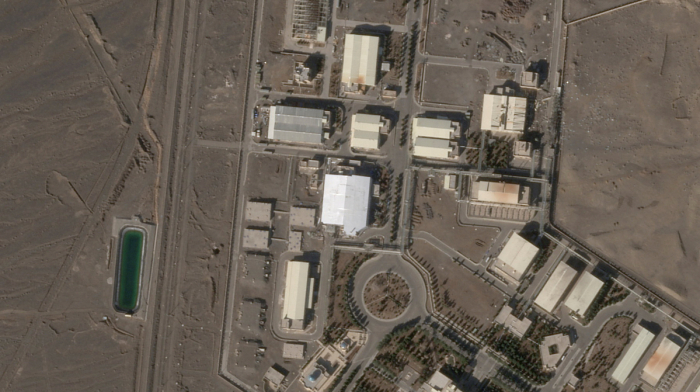
U.S. Vice President JD Vance told Reuters on Monday (5 October) that Iran must make a “meaningful” reduction in its uranium enrichment capacity to satisfy U.S. demands and end the countries' seven-month war.
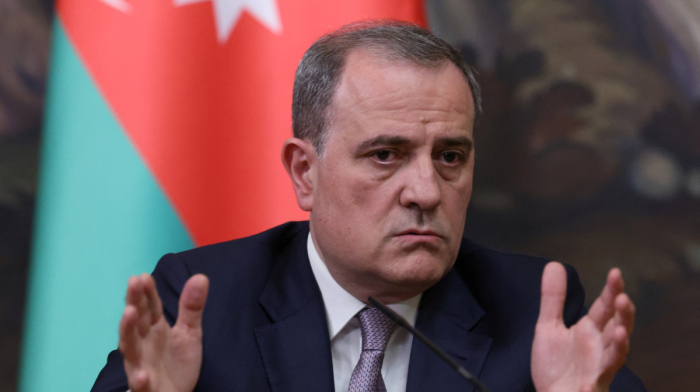
Azerbaijan’s Foreign Minister Jeyhun Bayramov has called for further integration of infrastructure between regional countries to bolster the Middle Corridor trade and logistics network.
The Saudi-led coalition says it has carried out a series of military operations against Houthi targets in Yemen after attacks on two Saudi airports left three people dead and dozens injured.
You can download the AnewZ application from Play Store and the App Store.




What is your opinion on this topic?
Leave the first comment