Tajikistan boosts Central Asian fuel imports as Russian supplies dwindle
Tajikistan tripled fuel imports from neighbouring Central Asian countries in July after deliveries from Russia declined sharply, underscoring how disr...
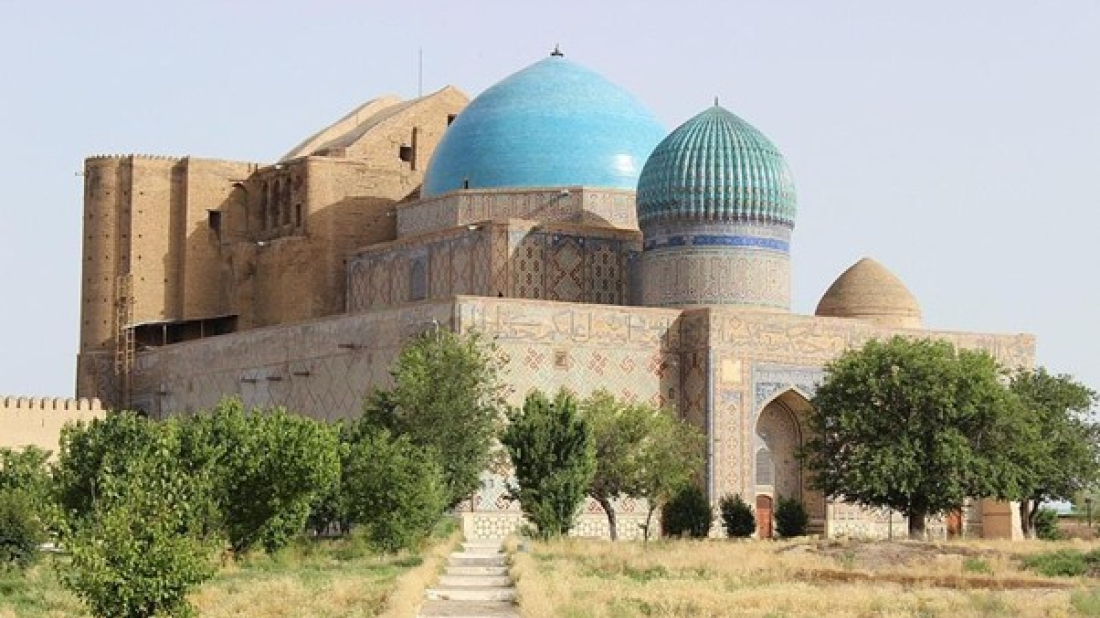
President Kassym-Jomart Tokayev has signed a law granting special status to Turkistan, further solidifying its role as Kazakhstan’s spiritual and cultural hub, Akorda reported on March 3.
“Turkistan is the cradle of the Kazakh nation, and the Khoja Ahmed Yasawi Mausoleum is one of its sacred legacies. By preserving its uniqueness as a UNESCO World Heritage Site, Kazakhstan will also contribute to the preservation of an important part of global culture and history,” Tokayev said.
The law aims to protect the Khoja Ahmed Yasawi Mausoleum, along with other historical landmarks in the region. It outlines regulations for archaeological and restoration efforts, supports the revival of cultural heritage and traditional handicrafts, and enforces restrictions on construction, including building height and architectural style, within protected areas.
Key provisions of the law include the establishment of an archaeological reserve, accessible infrastructure for people with disabilities, inclusive tourism initiatives, and a unified city design code to maintain Turkistan’s architectural integrity.
The law also expands local government powers to ensure effective management, provides state support for artisans, regulates transit transport, balances historical preservation with tourism development, and aims to improve the overall quality of life for residents.
In 2021, Turkistan was designated as the "Spiritual Capital of the Turkic World" by the Organization of Turkic States, a recognition of its central role in the history and culture of Turkic-speaking nations.

Shipping traffic through the Strait of Hormuz and the Bab el-Mandeb Strait, two key maritime chokepoints in the region, decreased significantly from the previous day, according to shipping data.
Start your day informed with AnewZ Morning Brief. Here are the top news stories for the 6th of August, covering the latest developments.
U.S. President Donald Trump said negotiations to reopen the Strait of Hormuz are progressing and suggested an agreement with Iran could be reached “soon”.
Kazakhstan’s main oil export corridor was disrupted by drone strikes near Russia’s Black Sea coast in July, forcing a temporary suspension of crude loadings and raising fresh concerns over the vulnerability of regional energy infrastructure to the war in Ukraine.
Extreme heat and historically low river levels are forcing nuclear power plants across Southeast Europe to reduce production, increasing pressure on already stretched electricity supplies and prompting governments to call for lower consumption.
Azerbaijan’s State Oil Fund (SOFAZ) has made its first investment in Latin America, acquiring an indirect stake in Peru’s largest independent electricity producer, Inkia Energy, as part of its strategy to diversify its global investment portfolio.
Uzbekistan and Kazakhstan will remove tariff and non-tariff barriers affecting around 20 product categories from 10 August, in a move designed to facilitate cross-border trade and support businesses in both countries.
President Masoud Pezeshkian has defended his administration's economic performance under longstanding Western sanctions and severe wartime conditions, saying barter trade with neighbouring countries has expanded to help Iran cope with financial restrictions, according to his office.
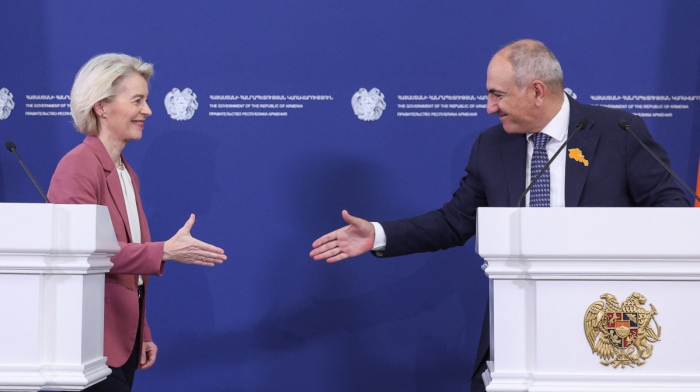
Armenian Prime Minister Nikol Pashinyan has said that Armenia currently has no option to join the European Union as an alternative to its membership in the Eurasian Economic Union (EAEU).
Tajikistan tripled fuel imports from neighbouring Central Asian countries in July after deliveries from Russia declined sharply, underscoring how disruptions to Russian exports are prompting governments across the region to seek alternative suppliers.
You can download the AnewZ application from Play Store and the App Store.
What is your opinion on this topic?
Leave the first comment