Saudi Arabia intercepts drone over Riyadh amid rising Houthi attacks
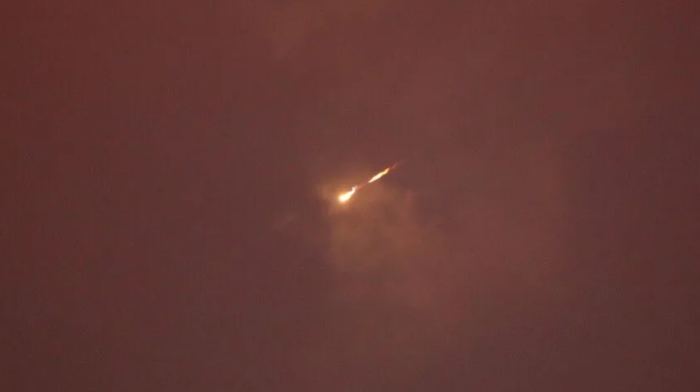
Saudi Arabia’s air defences have intercepted and destroyed a hostile drone over the Riyadh region, according to the Saudi-led coalition fight...
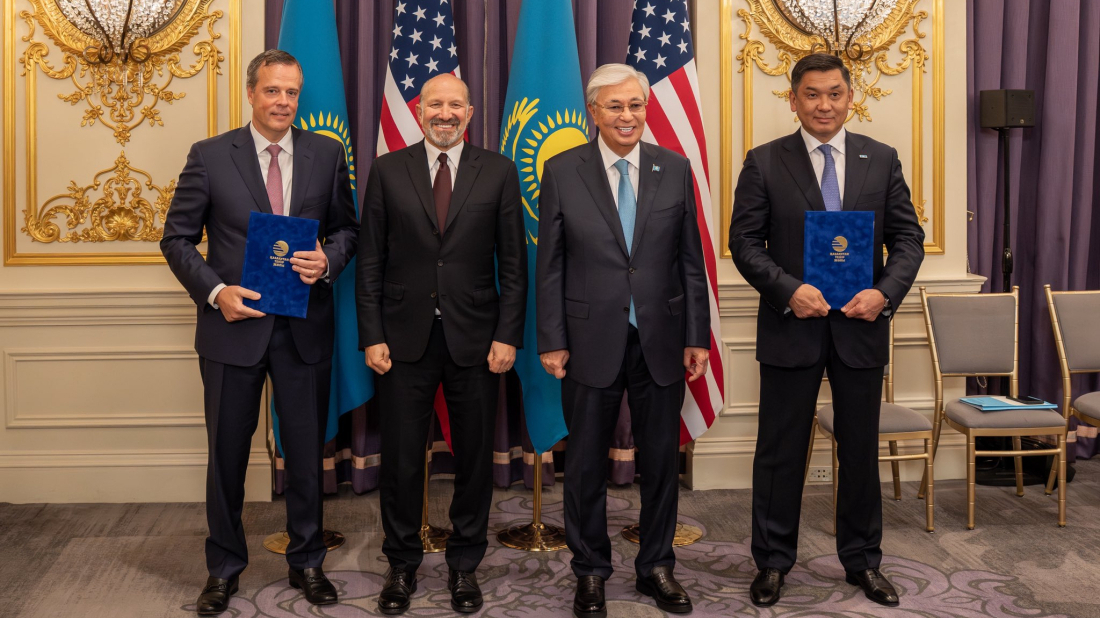
The United States and Kazakhstan have agreed a locomotive deal worth up to $4.2 billion that will see Wabtec Corporation supply 300 locomotives, U.S. Commerce Secretary Howard Lutnick announced on Monday.
Lutnick said the historic agreement followed a call between President Donald Trump and Kazakh President Kassym-Jomart Tokayev.
Writing on X, he added that the locomotives would boost connectivity across Europe and Asia through the Middle Corridor, with American technology at the core.
"While our rail industry faces unfair attacks from the nonsensical rush toward electric-only policies, this deal delivers strong support for one of our most significant industries.
This $4 Billion deal is more than just a huge success story. It’s about American innovation leading the world, supporting thousands of jobs in TX & PA, & strengthening the U.S.–Kazakhstan partnership." he wrote in the post.
The deal comes against a backdrop of trade tensions as Kazakhstan, which borders Russia and China, has been hit with a 25% tariff rate by Trump.
In July, Tokayev notified President Trump in a letter that his government was ready for constructive dialogue on trade.
The commerce Secretary added that "This is President Trump’s America First trade policy in action: landmark exports, new markets, & U.S. workers winning big!".
Kazakhstan continues active cooperation with the U.S. as latest figures show that in 2024, trade turnover between the countries amounted to $4.2 billion, an increase of 4% from the previous year.
The main export items from Kazakhstan to the U.S. include crude oil, more than 56%, uranium, about 16%, silver, 12%, iron alloys, 9.5%, and tantalum and tantalum products.
It is worth noting that on 7 September, former U.S. President Donald Trump indicated the possibility of visiting Kazakhstan, emphasising the positive nature of his communication with Kassym-Jomart Tokayev.
The U.S. has approved the sale of 500 Patriot PAC-3 missiles to Ukraine in a deal worth an estimated $2.1 billion, but Kyiv could face years of delays before receiving the weapons it urgently needs to defend against intensifying Russian attacks.
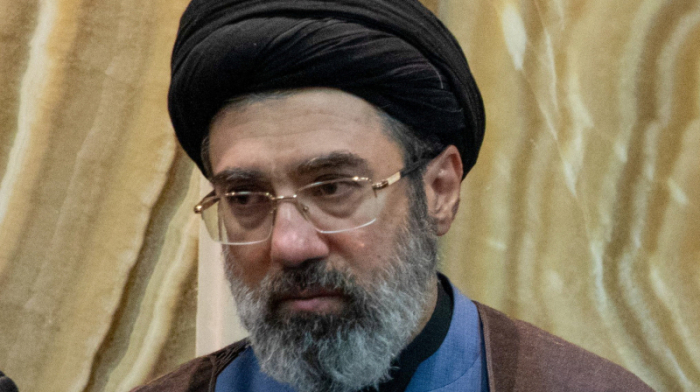
Iranian Supreme Leader Ayatollah Khamenei has ordered Iran's armed forces to respond to any threat immediately and without geographical limits in statements posted to social media platforms on Saturday (31 October).
A hacking group linked to North Korea is widely believed to be behind the theft of $6.3 billion from cryptocurrency giant Binance, a cyberattack that experts describe as the largest cryptocurrency heist on record.
Gen Z protests swept 34 German cities on Saturday (31 October) over education and living costs. Violence erupted in Frankfurt, where shops were looted and police reported Molotov cocktail attacks.
A tenth-grade student was critically injured after a man attacked her with a chainsaw inside a classroom in Andhra Pradesh’s Anantapur district. The girl suffered severe injuries to her head, neck and back, while a classmate who tried to protect her was also hurt.
Saudi Arabia’s air defences have intercepted and destroyed a hostile drone over the Riyadh region, according to the Saudi-led coalition fighting in Yemen. No casualties were reported.
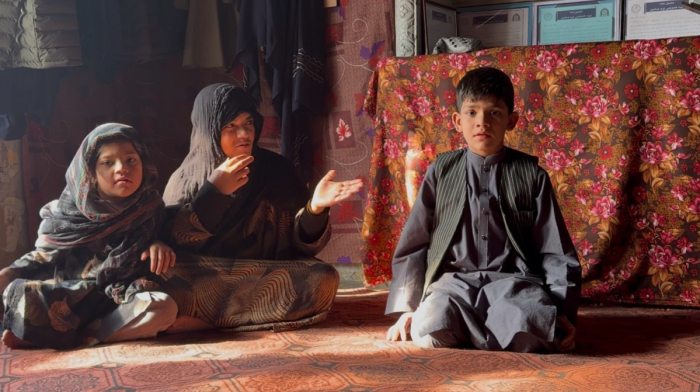
Since 2021, only 9 per cent of $8 billion in humanitarian aid for Afghanistan can be traced beyond initial recipients in public records, a Kabul Institute report released on 22 October said. The United Nations says its oversight systems ensure accountability.
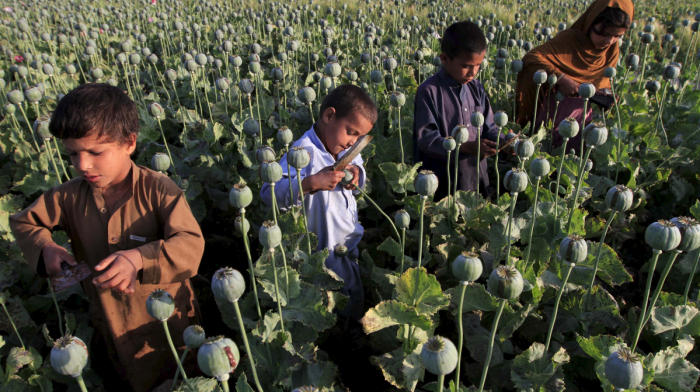
Opium poppy cultivation in Afghanistan surged by 330 per cent in 2026 despite a four-year ban, the United Nations said on Thursday. Afghan authorities disputed the findings, while Japan urged continued support for farmers seeking alternative livelihoods.
Demonstrators carrying Iranian flags and placards supporting the hijab gathered outside the Azerbaijani Embassy in London.
Central Asia could gain up to $640 million a year from closer energy cooperation, but strained electricity grids threaten to limit those gains, with Kazakhstan particularly exposed to regional power shortages and growing pressure on its network.
You can download the AnewZ application from Play Store and the App Store.
What is your opinion on this topic?
Leave the first comment