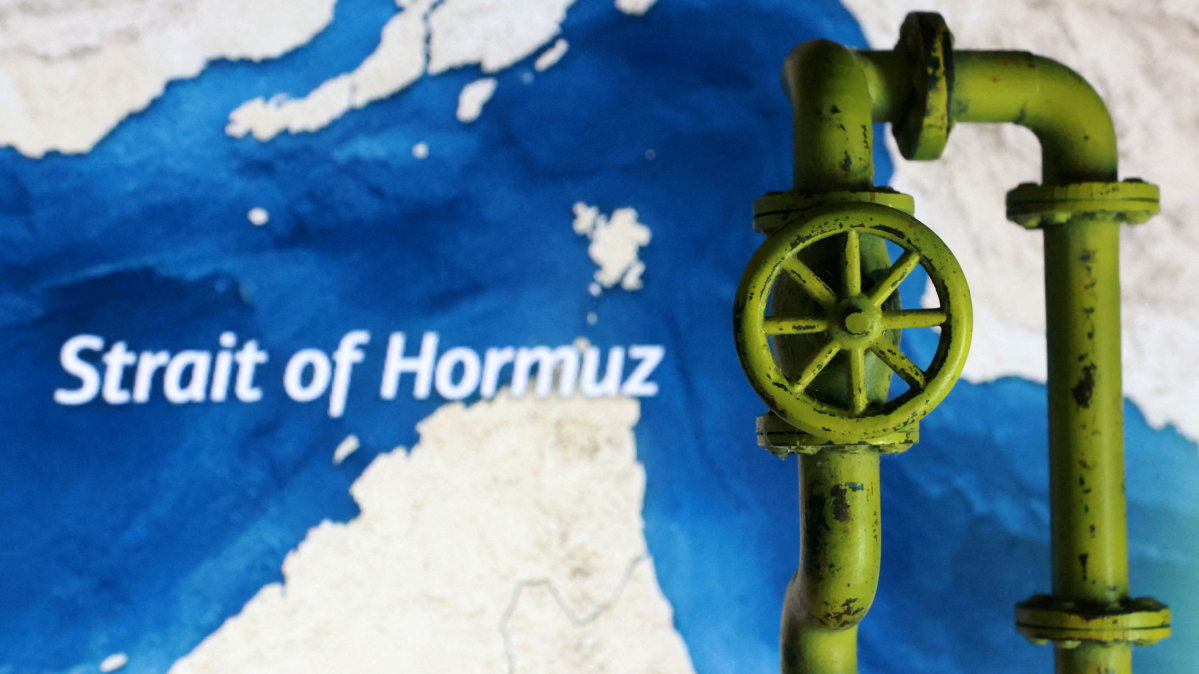
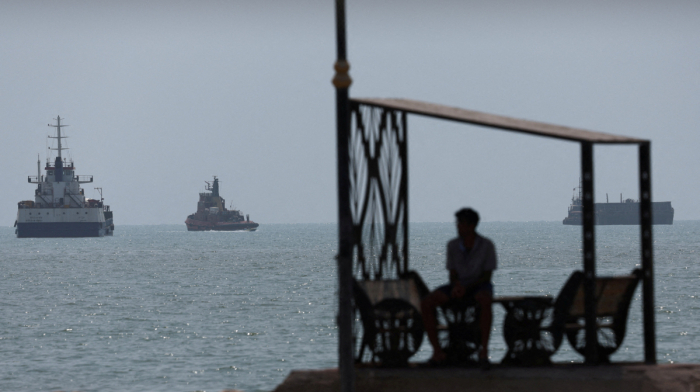
Some 20,000 seafarers remain stranded on around 2,000 ships in the Strait of Hormuz amid the ongoing Middle East conflict, in what has been described as an unprecedented situation in the post-Second World War era. The vessels include oil and gas tankers, cargo ships and six cruise liners.
The ships are trapped in the Persian Gulf and unable to transit the narrow strait safely. Iran, which borders the waterway to the north, has said it will only permit passage to “non-hostile” vessels. Before the conflict, roughly 150 ships passed through daily; now, only four or five make the journey.
On Monday (31 March), two Chinese-flagged cargo ships successfully navigated the strait into the Gulf of Oman, reaching safer waters.
Attacks on ships escalate tensions
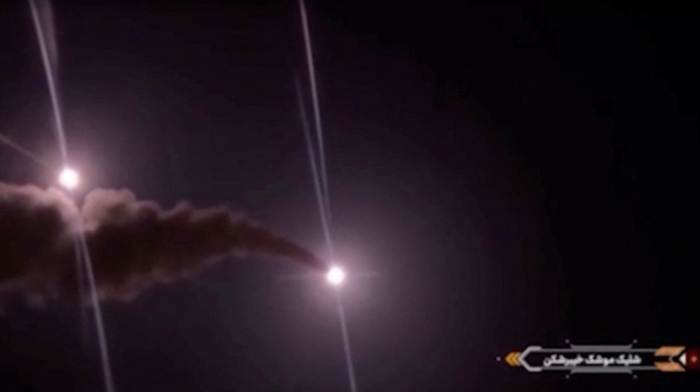
Since the conflict began a month ago, the UN’s International Maritime Organization (IMO), based in London, has reported 19 attacks on vessels in the strait. Seven seafarers have been killed, eight injured and five reported missing following Israeli–U.S. bombing operations on Iran and subsequent Iranian strikes across the Gulf.
On Tuesday, a fully loaded oil tanker was struck off the coast of Dubai, likely by an armed drone. The reasons why these ships were specifically targeted remain unclear.
Recent reports suggest attacks have decreased over the past week amid intensified diplomatic efforts to resolve the crisis.
Safety concerns for stranded crew
Damien Chevallier, Director of the IMO’s Maritime Safety Division, emphasised the unprecedented nature of the situation.
“There is no precedent for the stranding of so many seafarers in the modern age,” he said.
“They have been working in an active war zone for a month. It is a very frightening situation, and one can only imagine the psychological stress they are under.”
The International Transport Workers’ Federation, an IMO partner representing seafarers, said it had received more than 1,000 emails from crews stranded on ships, expressing concern about onboard conditions and requesting repatriation.
Chevallier added that replacing seafarers with volunteers is theoretically possible, but stressed that “the best solution is for vessels to be able to pass safely through the Strait of Hormuz, which would require a cessation of hostilities”.
Negotiating safe passage
Companies operating out of Saudi Arabia and Oman are resupplying the stranded ships with food, water and fuel. Saudi authorities, in coordination with the IMO, have provided guidance on contacting these resupply services.
Ships are also repositioning within the Gulf in search of safer locations, following protocols set by their shipping companies. The IMO is actively engaging with Iran and other regional stakeholders to clarify which vessels may be considered “hostile” and at risk of attack.
Global implications
The Strait of Hormuz is a vital artery for the global economy, with an estimated 20 per cent of the world’s oil and gas supplies passing through it.
An internationally agreed two-way traffic separation scheme, adopted by the IMO in 1968, maps the safest route along the southern side near Oman. However, most vessels that have transited recently have taken a northern route closer to Iran, allowing authorities to monitor movements more closely.
Chevallier warned that prolonged insecurity could have long-term consequences for seafaring.
“If seafarers do not feel safe due to conflicts like this, it will be difficult to attract the next generation to meet expanding global demand. Without seafarers, there can be no global trade, on which the world’s economies depend,” he said.
Ripple effect
The Strait of Hormuz is a critical artery for international trade, carrying an estimated 20–25 per cent of the world’s seaborne oil each day, according to analysis by the United Nations Conference on Trade and Development.
Disruptions in the strait have an immediate impact on global energy markets, driving up prices for crude oil and natural gas and threatening energy security for import-dependent economies.
But the effects extend well beyond fuel.
Thousands of cargo ships carrying raw materials, foodstuffs, manufactured goods and consumer products have been left stranded in the Persian Gulf, contributing to delays and bottlenecks in global supply chains.
Industry analysts at S&P Global note that sectors reliant on just-in-time delivery are among the hardest hit by the slowdown in maritime traffic.
Shipping costs are also rising.
Insurers have significantly increased premiums for vessels operating in high-risk waters, and some carriers have been forced to pay war-risk surcharges or avoid the region altogether, according to Caixin Global.
Experts warn that if these conditions persist, they could slow economic recovery in major markets and add to inflationary pressures.











What is your opinion on this topic?
Leave the first comment