Disputes over control of the Strait of Hormuz and uranium enrichment continue to hinder peace talks between the U.S. and Iran, as Pakistan stepped up mediation efforts during meetings in Tehran on Friday.
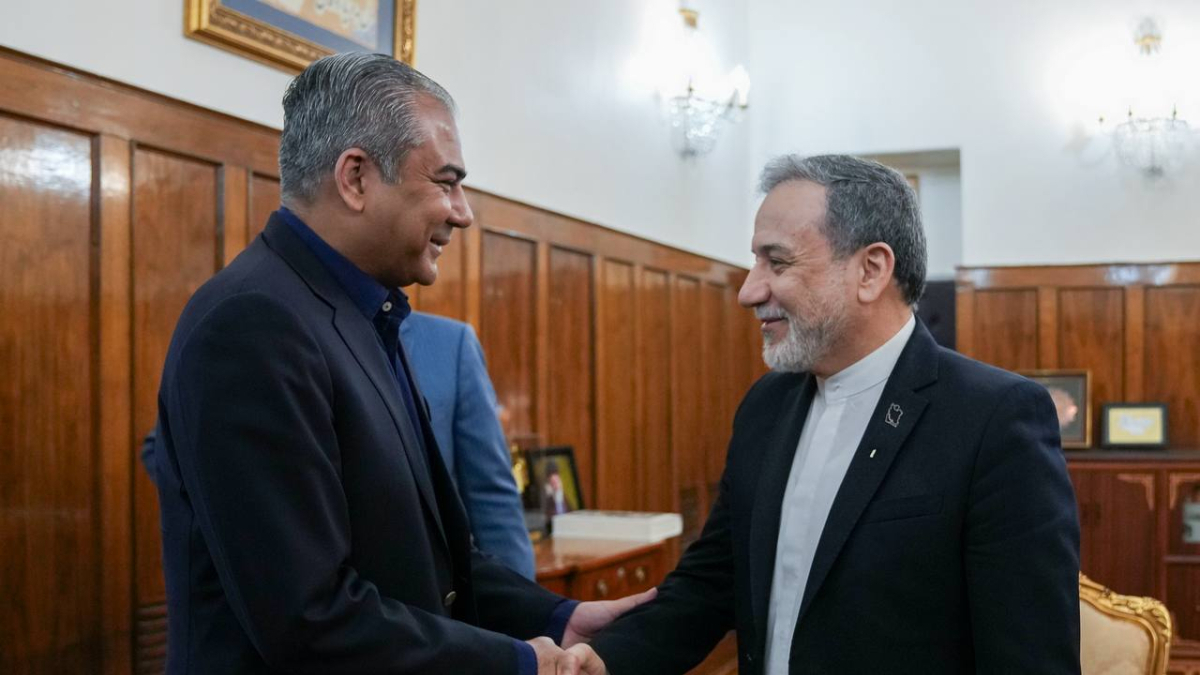
Pakistani Interior Minister Syed Mohsin Naqvi held talks with Iranian Foreign Minister Abbas Araqchi in Tehran, just two days after Tehran received Washington’s latest message, Iran’s IRGC-affiliated Tasnim News Agency reported.
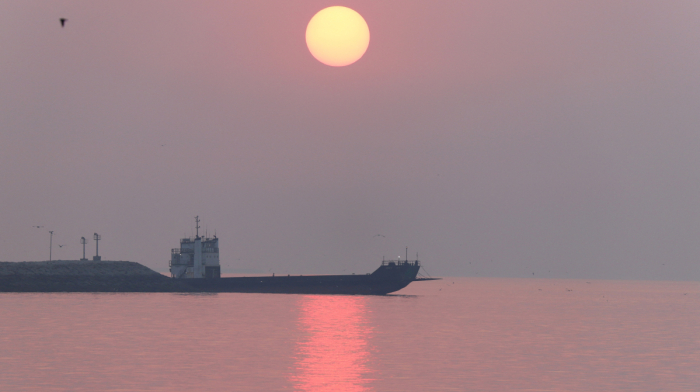
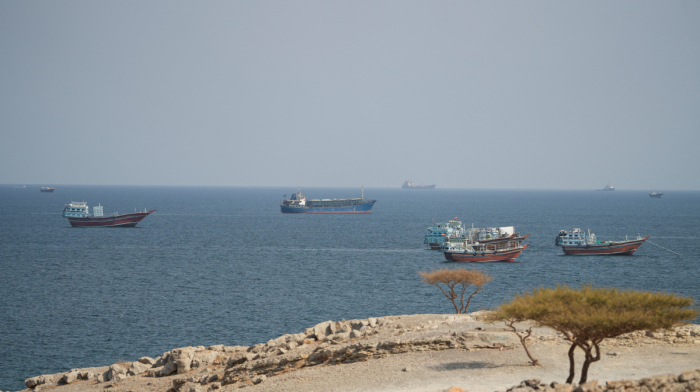
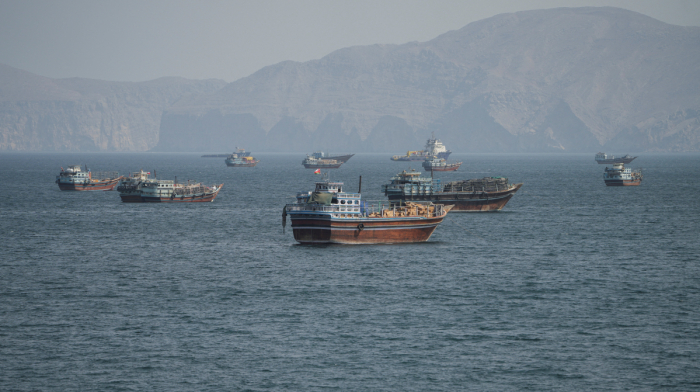
U.S. Secretary of State Marco Rubio told reporters on Thursday there had been “some good signs” in the talks, but said there could be no agreement if Iran attempted to impose a tolling system in the Strait of Hormuz, which it effectively closed to most shipping after the war began on 28 February.
“There's some good signs. I don't want to be overly optimistic ... So, let's see what happens over the next few days,” Rubio said.
A senior Iranian source told Reuters on Thursday that progress had been made, but that uranium enrichment and the Strait of Hormuz remained major obstacles.
U.S. President Donald Trump has strongly opposed Iranian proposals to charge ships fees for using the Strait of Hormuz, a narrow waterway through which a quarter of the world’s seaborne oil passed before the conflict began.
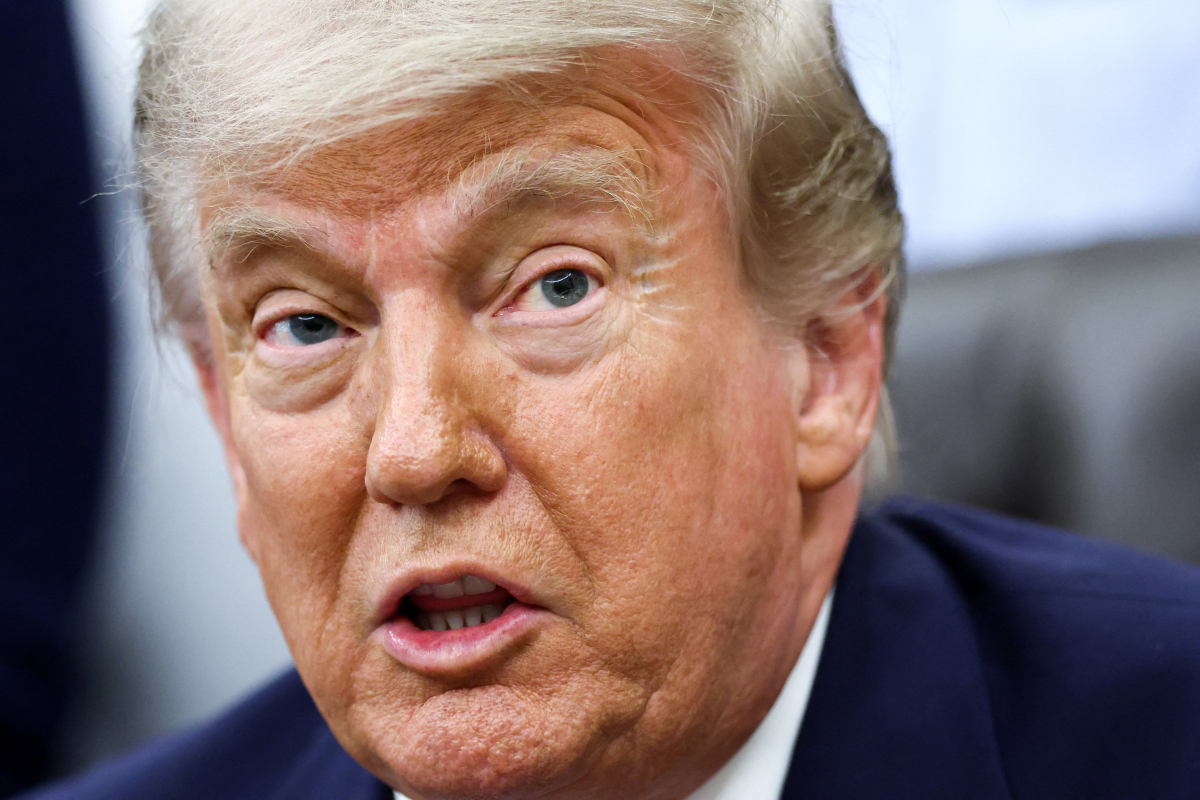
“We want it open, we want it free. We don't want tolls. It's an international waterway,” Trump told reporters at the White House on Thursday.
Trump has also insisted that the U.S. would recover Iran’s stockpile of highly enriched uranium, which Washington believes is intended for use in a nuclear weapon, despite repeated denials from Tehran.
“We will get it. We don't need it, we don't want it. We'll probably destroy it after we get it, but we're not going to let them have it,” Trump told reporters.
Iran hardens negotiating stance
Despite this, Iran’s Supreme Leader, Mojtaba Khamenei, reportedly ordered on the same day that the country’s enriched uranium must not be sent abroad, in an apparent hardening of Tehran’s negotiating position.
The International Energy Agency has warned that the conflict has triggered the world’s worst energy shock.
It said on Thursday that peak summer fuel demand, combined with a lack of new supply from the Middle East, could push energy markets into the “red zone” in July and August.
Trump and Israeli Prime Minister Benjamin Netanyahu said the aims of the war were to curb Iran’s support for regional militias, dismantle its nuclear programme, destroy its missile capabilities and make it easier for Iranians to overthrow their rulers.
However, Iran has so far retained its stockpile of near-weapons-grade enriched uranium, as well as its ability to threaten neighbouring countries with missiles, drones and proxy militias.











What is your opinion on this topic?
Leave the first comment