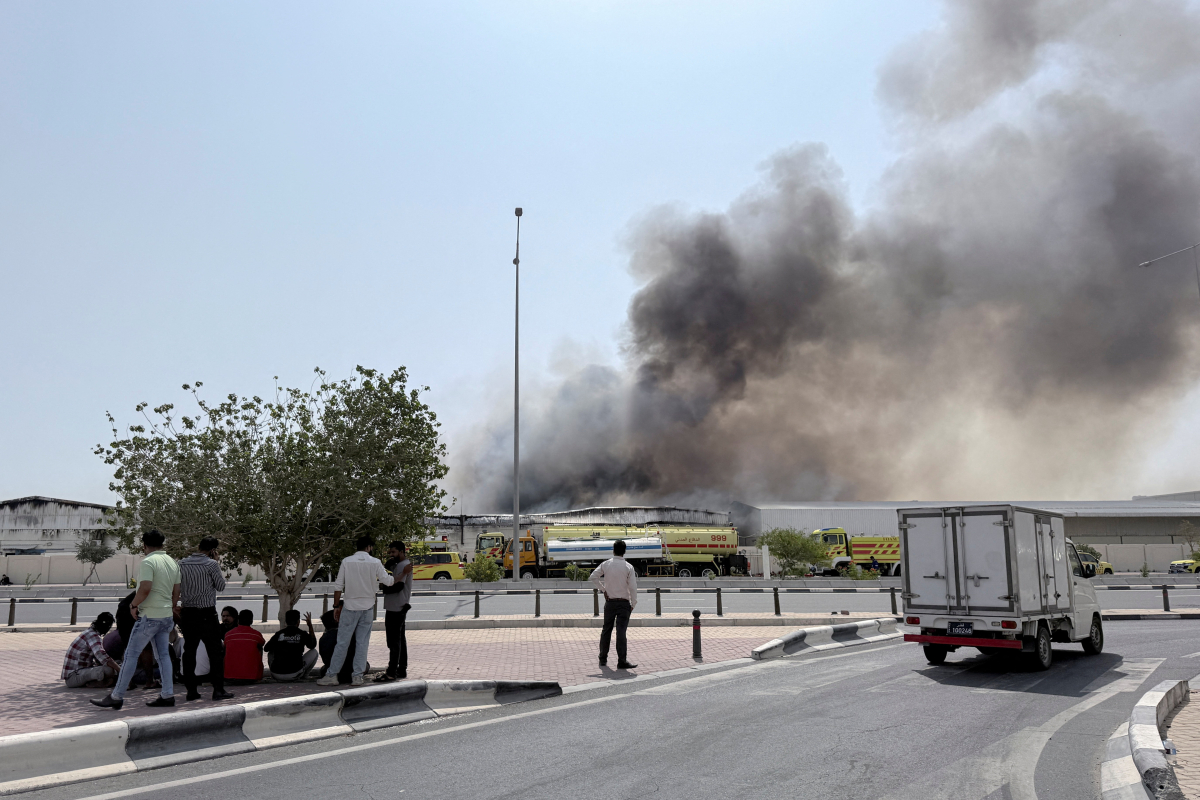
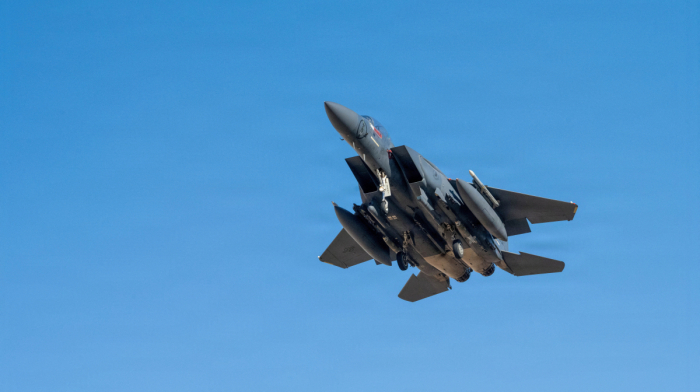
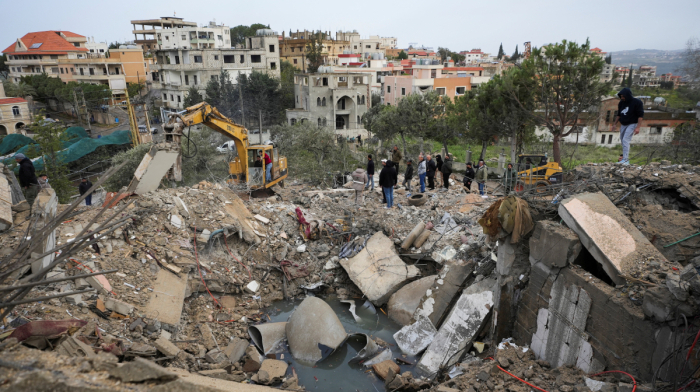
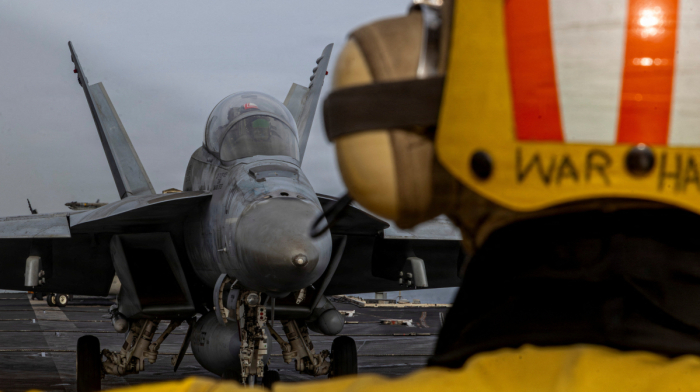
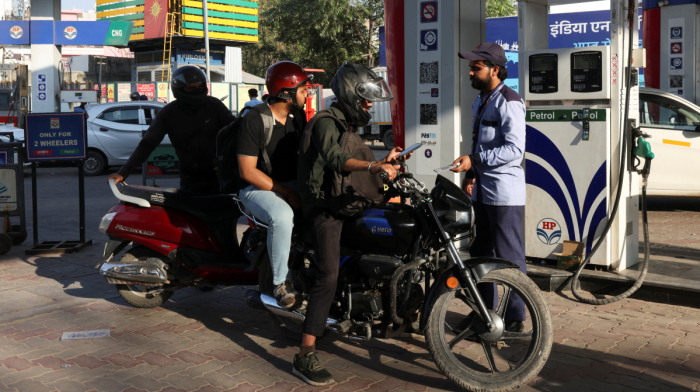
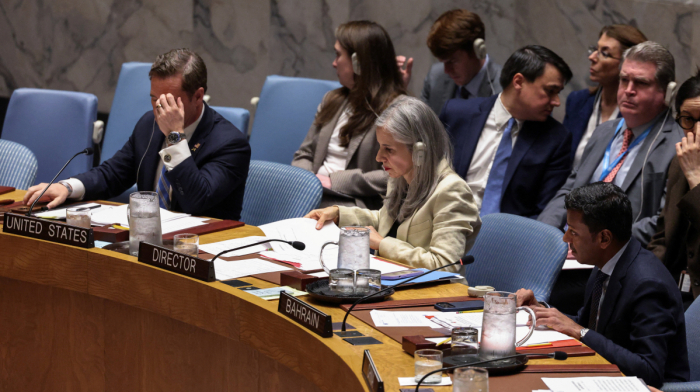
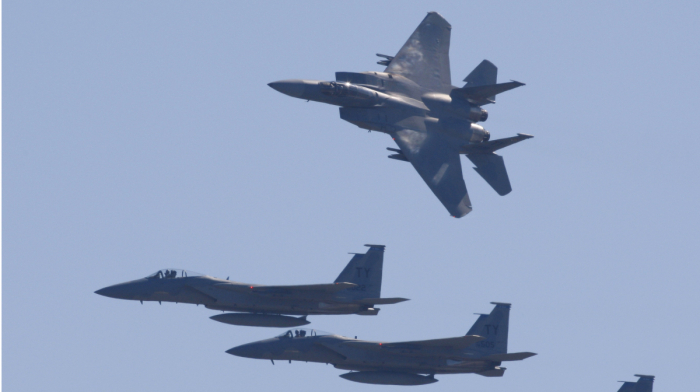
The escalation of conflict involving the United States, Israel, and Iran since 28 February 2026 has moved beyond a regional security crisis to become a systemic shock to the global economy and our pockets.
The widening conflict is reshaping the price and supply of essential commodities worldwide. From energy markets to food systems, the effects are being felt by governments, businesses and households alike.
Below is a breakdown of the key commodities affected and how.
1. Energy: Crude reality
The most immediate impact has been on the benchmark price of Brent Crude. According to ING Think, oil prices surged by roughly 50% within the first month of the conflict, peaking between $120 and $126 per barrel.
This is not merely a supply shortage; it is a logistical crisis. Analysts at the Columbia Center on Global Energy Policy note that while some oil can be rerouted via pipelines in Saudi Arabia and the UAE to the Red Sea, these alternatives cannot handle the total volume usually exiting the Persian Gulf. Furthermore, the Atlantic Council highlights a "deepening anxiety" in East Asia, as Japan and South Korea rely on the Strait for nearly 80% of their energy imports.
Notably, markets are reacting not just to actual supply losses but to heightened geopolitical risk premiums, pushing oil prices upward even without physical shortages.
2. Natural gas and the EU’s 'Second Energy Crisis'
For Europe, the conflict has triggered what many call a "second energy crisis." Following the shift away from Russian gas in 2022, the EU became heavily dependent on Qatari LNG.
Deloitte Insights points out that with Qatari shipments halted or rerouted, European gas benchmarks (Dutch TTF) nearly doubled in March 2026. This has forced heavy industries, such as steel and chemical manufacturing, to impose emergency surcharges or curtail production entirely.
3. Fertiliser-food link
Perhaps the most overlooked consequence of the war is its impact on global food security. The Middle East is a global hub for the production of nitrogen-based fertilisers, which require natural gas as a primary feedstock.
S&P Global Commodity Insights reports that urea and phosphate prices jumped by more than 37% in late February. The Rabobank agricultural team warns that this "input shock" is particularly dangerous for the 2026 planting seasons in Brazil, India, and Sub-Saharan Africa. High fertiliser costs today almost inevitably lead to lower crop yields and higher grocery prices six to nine months from now according to analysts.
4. Shipping the 'Long Way' Around
The conflict has effectively ended "just-in-time" global delivery. Given the high risk in the Persian Gulf and the Strait of Hormuz, major shipping carriers have rerouted vessels around Africa’s Cape of Good Hope.
The Columbia Center on Global Energy Policy calculates that this adds 10 to 14 days of journeying time between Asia and Europe. Deloitte notes that this diversion adds approximately $1 million in fuel costs per voyage, which is being passed down to consumers through "War Risk" insurance premiums and freight surcharges.
This affects everything from electronics to automotive parts.
5. Industrial and medical materials
The conflict has also disrupted niche but critical supply chains. The Atlantic Council draws attention to Helium, of which Qatar is a top global producer.
A prolonged shutdown of Qatari facilities threatens the operation of MRI machines in hospitals and the manufacturing of high-end semiconductors.
Similarly, Naphtha, a derivative of oil used in plastics, has seen a 60% price increase, impacting the cost of all plastic-based packaging.
6. Macroeconomic fallout: Inflation ghost
The World Economic Forum (WEF) describes the current situation as a "systems-level risk." The sudden spike in commodity prices has forced central banks, including the U.S. Federal Reserve and the European Central Bank, to pause planned interest rate cuts.
ING Think warns that for emerging markets with high debt and high fuel imports, the "commodity double-whammy", expensive fuel and expensive food, could lead to severe social unrest and potential sovereign defaults by the end of 2026.
7. Industrial metals: indirect supply chain impacts
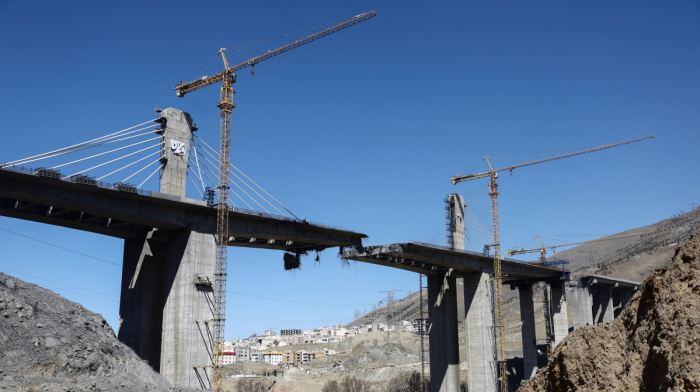
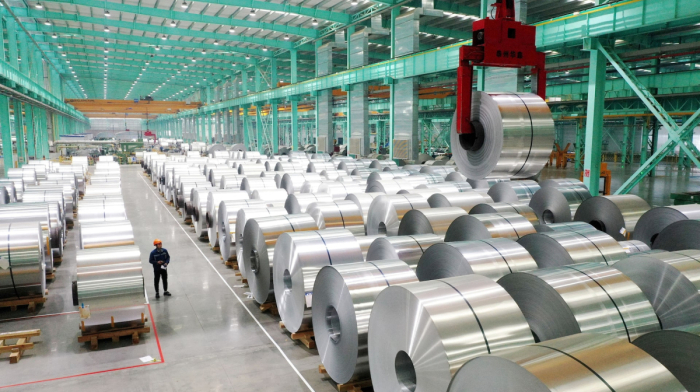
While not directly targeted, industrial metals such as aluminium and steel are being affected through rising energy costs and disrupted logistics.
Energy-intensive production processes mean that higher fuel and electricity prices are increasing production costs. According to Deloitte Insights, this is contributing to higher prices for construction materials and manufactured goods.
The U.S.-Israel-Iran conflict is not just a regional crisis; it is a global economic shock. By driving up the cost of energy, disrupting supply chains and squeezing agricultural production, the war is reshaping commodity markets in ways that are likely to be felt for months, if not years according to analysts.
For consumers around the world, this translates into a simple reality; higher prices for fuel, food and everyday goods and growing uncertainty about what comes next.

















What is your opinion on this topic?
Leave the first comment