live Trump says Iran wants to meet with U.S., U.S. military launches fresh strikes
U.S. President Donald Trump announced the reimposition of a U.S. naval blockade on all Iranian ports and warned that power plants and bridges could be...
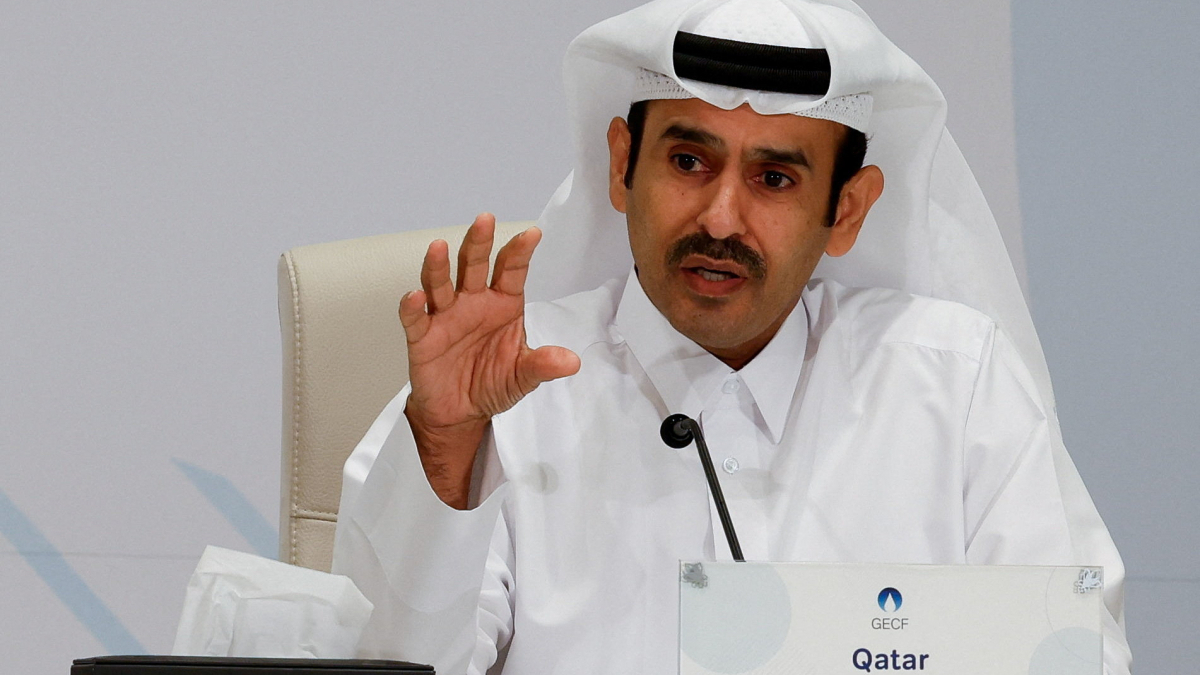
Iranian attacks have wiped out 17% of Qatar’s liquified natural gas export capacity (LNG), equivalent to $20 billion in lost annual revenue, the CEO of Qatar’s state-owned energy company, Saad al-Kaabi said on Thursday (19 March).
The losses threaten supplies to Europe and Asia, with QatarEnergy declaring a force majeure, freeing it of obligations on long-term contracts for up to five years for LNG supplies bound for Italy, Belgium, South Korea and China.
Kaabi said two of Qatar's 14 LNG trains and one of its two gas-to-liquids (GTL) facilities were damaged in the Iranian strikes. Repairs to the infrastructure will take 12.8 million tons of LNG out of the system for three to five years, he said.
"I never in my wildest dreams would have thought that Qatar would be - Qatar and the region - in such an attack, especially from a brotherly Muslim country in the month of Ramadan, attacking us in this way," Kaabi said.
Production at Pearl GTL in Qatar’s Ras Laffan Industrial City stopped on Wednesday (18 March) after the industrial hub came under fire. Kaabi said that for production to restart, hostilities needed to end.
QatarEnergy previously declared a short-term force majeure on its entire output of LNG after an earlier attack on Ras Laffin. Shell is a partner in the damaged GTL facility, which will take up to a year to repair, while U.S. energy giant ExxonMobil is a partner in the damaged LNG facilities.
The scale of the damage from the attacks has set the region back 10 to 20 years, Kaabi added.
"If Israel attacked Iran, it's between Iran and Israel. It has nothing to do with us and the region. And so now, in addition to that, I'm saying that everybody in the world, whether it's Israel, whether it's the U.S., whether it's any other country, everybody should stay away from oil and gas facilities,” he said.

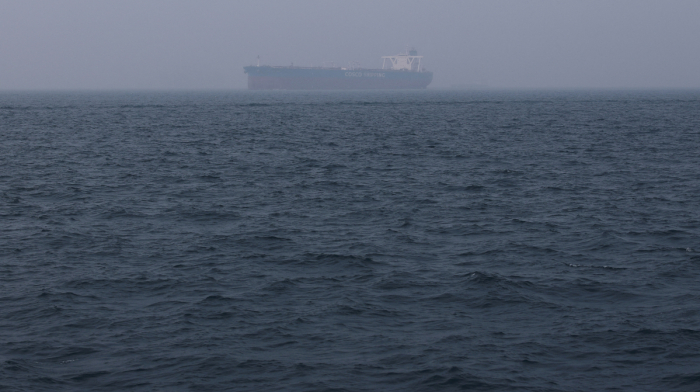
The United States carried out a third consecutive night of airstrikes against Iran, targeting military capabilities around the Strait of Hormuz as Donald Trump announced the reinstatement of a blockade on Iranian shipping and proposed a 20% fee on cargo passing through the strategic waterway.
U.S. President Donald Trump announced the reimposition of a U.S. naval blockade on all Iranian ports and warned that power plants and bridges could be targeted next week unless Tehran returns to negotiations.
The United States and Iran have significantly escalated their conflict, exchanging heavy missile and drone strikes across the Gulf region. Iran claims it has once again closed the Strait of Hormuz, a vital global shipping route.
The death toll from the fire at a live music pub in Bangkok has climbed to 32 after two more victims died from their injuries, according to Thailand's Police Hospital.
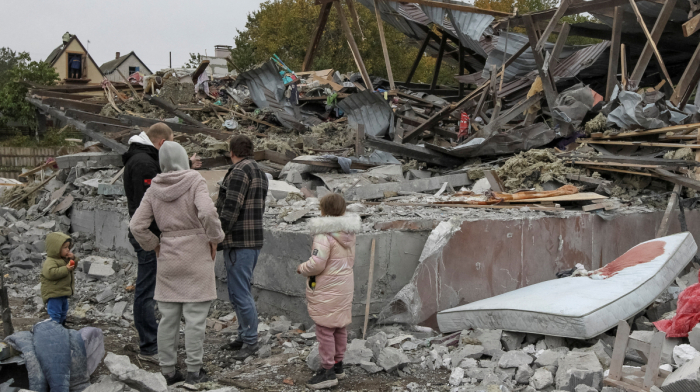
Ukraine and Russia exchanged fresh attacks on Tuesday, with Kyiv targeting shipping and energy infrastructure inside Russia while Moscow launched another large-scale missile and drone assault on Ukrainian cities.
Kyrgyzstan has introduced an indefinite ban on the export of crude oil and petroleum products by road and rail in an effort to prevent fuel shortages and strengthen the country's energy security.
The Iranian Army's Ground Force promised a crushing response to the U.S. after an air raid on its barracks in the southern city of Bampur on Wednesday (15 July) killed seven servicemen and wounded 13 others.
Pakistan's benchmark stock index recorded its steepest one-day fall in months on Tuesday as renewed fighting between the U.S. and Iran unsettled global markets and heightened fears of disruptions to oil supplies through the Strait of Hormuz. The benchmark KSE-100 Index closed down 3.56%.
A British inquiry has heard fresh allegations that UK special forces killed three Afghan farmers and abused detainees during operations in Afghanistan. The claims were published this week as part of an investigation into alleged unlawful killings and a possible cover-up.
Kyrgyzstan and Tajikistan have begun installing the first border markers along their shared frontier, marking the start of the physical demarcation of a boundary that was disputed for decades before being formally settled under a landmark agreement signed earlier this year.
You can download the AnewZ application from Play Store and the App Store.
What is your opinion on this topic?
Leave the first comment